- Mumbai, Gangtok, New Delhi, Bangalore
- (+91) 81518 30000
- WhatsApp Now
- contact@vedawellnessworld.com
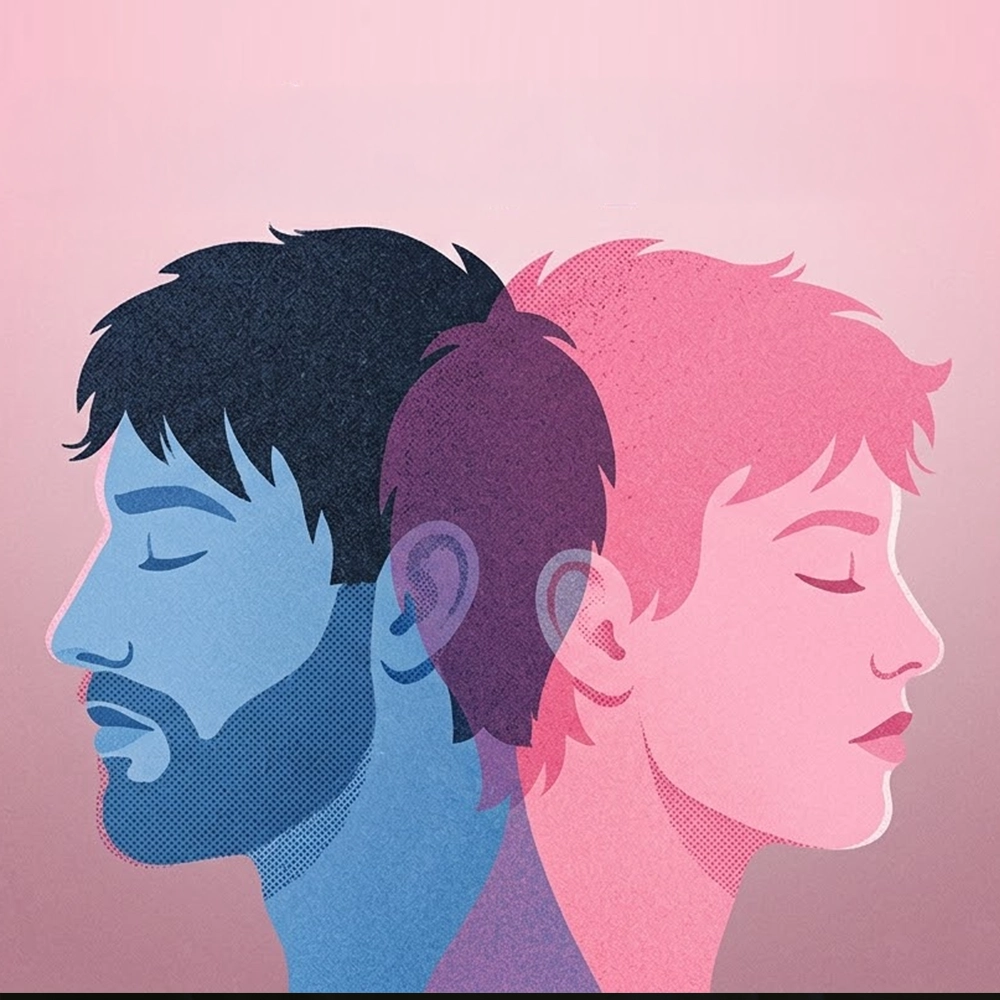
If the person you see in the mirror doesn’t match who you know yourself to be, you’re not alone. That gap has a name called gender dysphoria and for many people, naming it is the first step toward a life that feels more like their own.
At Veda, we start from a simple position: understanding your gender identity isn’t a disorder to fix. It’s part of who you are. What we treat is the distress that can come with it is the anxiety, the isolation, the exhaustion of not being seen correctly and not the identity itself.
This page is for anyone trying to make sense of their own experience and for partners and families trying to understand and support someone they love. Whether you’re looking for words for what you’re feeling or trying to figure out how to help, this is a starting point.
Gender dysphoria is the distress that can come from a mismatch between your gender identity and the sex you were assigned at birth. The distress is the clinical concern and not the identity.
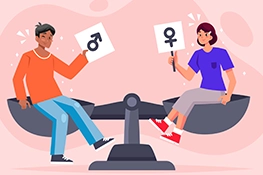
Gender identity is your internal sense of being male, female, both, neither or somewhere else on the spectrum. For most people that sense lines up with the body they were born into. For others it doesn’t and when that mismatch causes real anxiety, depression or difficulty functioning day to day, it can be diagnosed as gender dysphoria.
The older term was “gender identity disorder.” That language has been retired for good reason as it framed identity itself as the problem. Gender dysphoria puts the focus where it belongs, on the distress and not the person. If you’ve searched for “gender identity disorder treatment,” what you’re likely looking for is support for that distress, delivered by people who won’t treat your identity as something to correct.
Dysphoria can show up at any age. Some people feel it mostly around their body; others feel it more in social situations, roles or being addressed the wrong way. It ranges from a low-grade unease to something much heavier. Whatever the intensity, the goal of support is never to change who someone is, it’s to reduce distress, build self-acceptance and help people make informed decisions about their own path, at their own pace.
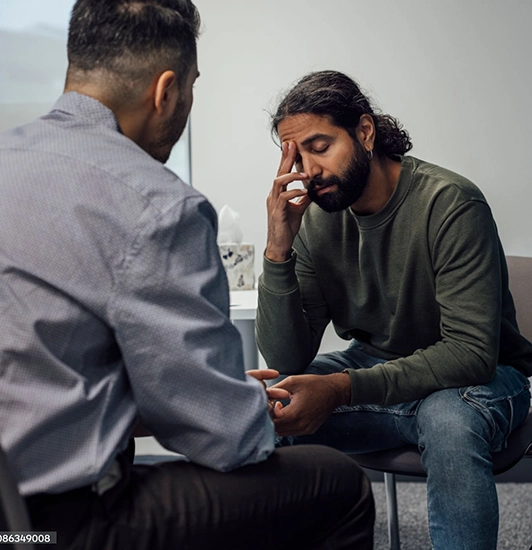
That support can take a few forms: individual counselling to talk through identity and feelings in a confidential space, structured therapy like CBT when anxiety or depressive thinking is part of the picture and family sessions when it would help. What matters most is finding a therapist who actually has experience with gender identity as general training isn’t the same thing.
The core experience of persistent distress about one’s assigned gender stays the same, but it looks different depending on age.

In children, it often shows up as a strong, consistent preference: rejecting clothes, names or hairstyles tied to their assigned gender, insisting on a different name or pronoun and getting upset when it's ignored, gravitating toward another gender's roles in play or withdrawing socially. Occasional exploration is normal childhood behavior; what's worth paying attention to is when the preference is persistent and paired with real distress. Early conversations with a counsellor experienced in gender identity can help a family tell the difference.
In adolescents, puberty tends to intensify everything. Physical changes like breast development, a deepening voice, facial hair, menstruation can trigger real distress, sometimes leading to binding, baggy clothing or avoiding mirrors altogether. Anxiety and depression often rise alongside it and the risk of self-harm or suicidal thinking can increase, especially where there's bullying or rejection involved. This is a stage where timely support matters and CBT can help with the anxiety and negative thought spirals and a therapist with real experience in adolescent gender identity makes a measurable difference.
In adults, the picture is often more internalized. Years of suppressing the feeling can leave someone feeling like they're "performing" a role at work or with family, avoiding intimacy or social situations out of body discomfort or dealing with emotional numbness, burnout or strained relationships. Counselling at this stage is often about unpacking years of suppressed emotion, not starting from scratch.
A few signs that it’s worth talking to someone:
At that point, structured support like counselling, CBT or a residential stay if someone needs more intensive care and privacy tends to help far more than waiting it out.
A qualified mental health professional does the assessment and the point of it isn’t to question anyone’s identity but it’s to understand how intense and persistent the distress is and what’s driving it.
A typical evaluation at Veda includes:
A conversation about personal and developmental history, how gender identity has shown up over time, an honest look at anxiety, depression or other distress, screening for anything else going on mental-health-wise and some understanding of the person’s family and social context.
If someone is considering any medical steps down the line, a formal diagnosis may be part of that process but the assessment itself is really about building a clear, safe starting point for whatever support makes sense next.
Gender dysphoria is about distress, not a flaw to correct. Our approach reflects that:

Helps identify and work through the anxious or self-critical thought patterns that often come with gender-related distress particularly useful for social anxiety, body image concerns and internalized shame.

A confidential space to think through identity without judgment covering emotional processing, self-acceptance and how to navigate conversations with family.

Straightforward, affirming conversation to work through fear, confusion or social pressure. Especially useful during adolescence, when a lot goes unsaid.

Helps with grounding and emotional regulation when things feel overwhelming, particularly around body-related distress.
Every plan is built around the person, not a template.
Myth: Gender dysphoria is just confusion or a phase.
Fact: Real gender dysphoria involves persistent, significant distress which is something a professional evaluation can actually assess.
Myth: Therapy tries to change someone’s gender identity.
Fact: Affirming therapy works on reducing distress and supporting informed choices. It does not try to change who someone is.
Myth: “Treatment” means curing someone of being transgender.
Fact: The clinical standard today is affirming care and emotional support and not conversion, which is neither ethical nor effective and which we don’t practice.
Myth: Only teenagers deal with this.
Fact: Plenty of adults come to therapy after years of quietly managing it alone.
Left unaddressed, this kind of distress tends to spread into other parts of life. With the right support, people generally see less anxiety and depression, lower risk of self-harm, more self-acceptance and clarity, better communication with family and a steadier foundation for any decisions, medical or otherwise, down the line.
If privacy and a more immersive setting would help, a residential stay is also an option.
Professional support matters most when distress is persistent, but a few things can help in the meantime: grounding and mindfulness practice, journaling about identity and emotion, staying connected to supportive people or communities, limiting time in environments that trigger distress, using CBT-style techniques to challenge negative thoughts and where it’s safe to do so like dressing or presenting in ways that match your identity.
None of this replaces real counselling once distress becomes hard to manage on your own, but it’s a reasonable place to start.

A thorough evaluation of emotional distress, identity and mental health history, following current affirming-care standards.

Depending on what the assessment turns up, that might include counselling, CBT or both.

Individual sessions, mindfulness practice and skill-building aimed at bringing anxiety and distress down.

Helps reduce conflict and build a more supportive home environment.

Preparing for ongoing outpatient care or community support once the intensive phase is done.
No pressure. Just understanding your situation clearly.
We help determine Veda rehab in any of our centers.
We guide families through how to bring their loved one in, even if there is hesitation or resistance.
Days 1–3: Settling in- assessments, orientation, adjusting to the space.
Week 1: Stabilization and getting oriented to the therapeutic routine.
Weeks 2–4: The core work- therapy, identifying what’s driving the distress, building a daily structure.
Beyond that: Preparing for life after the stay- ongoing coping tools, rebuilding relationships, staying connected to support.
This is a Sample of Daily Schedule at Veda

Tea, coffee, or a detox juice, plus yoga, pickleball, or a gym session

Breakfast and getting ready for the day

Gratitude or reflection practice

Individual therapy session

Therapeutic assignments or reading; group discussion twice a week

Lunch, then free time

Art, music or sound therapy; group sessions

Group activity

Sport, a walk or a mindfulness session

Dinner

Bedtime
No one can promise a fixed timeline for how someone’s relationship with their identity or their distress will unfold because that’s not how emotional wellbeing works and it would be dishonest to say otherwise. What we can say is that structured, affirming support consistently helps: it gives people the tools, the space and the professional guidance to move toward clarity and self-acceptance at their own pace. That’s the commitment we make and we stay with you through it.
For a lot of families, privacy is the whole ballgame. Veda offers:
Discreet, confidential care, a small client group for real individual attention, a calm, non-clinical environment and a choice between private suites and shared rooms.
The goal is for people to feel safe, not confined.
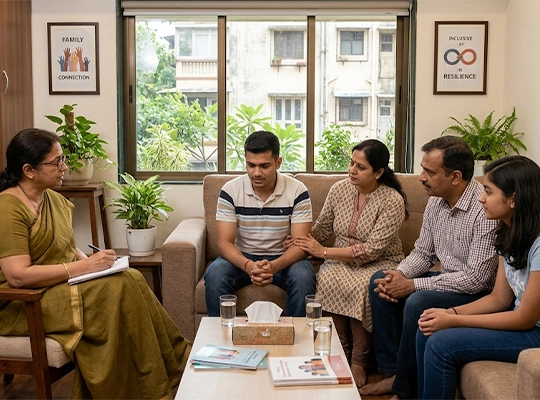
Support tends to go further when family is involved. We offer regular updates, family therapy sessions and guidance on communication and boundaries because this isn’t just an individual’s process.
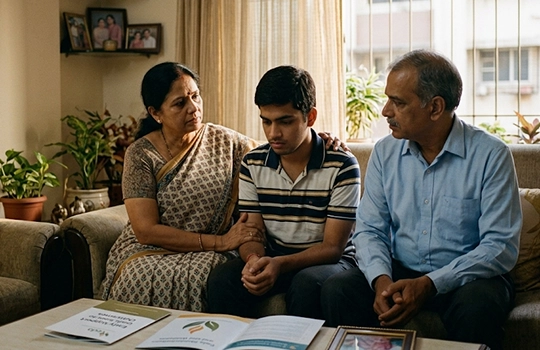
Aarav, (Names changed to protect privacy.) a 19-year-old college student, had spent years quietly struggling with his gender identity. The gap between how he felt inside and what was expected of him fed into anxiety, isolation and eventually depression. Conversations at home were hard not because anyone meant harm, but because nobody quite had the language for what he was going through.
His family eventually reached out to Veda. After a full assessment, the team recognized what Aarav was dealing with as clinically significant gender dysphoria, and built a plan around individual therapy, emotional support and family counselling giving Aarav room to explore his identity safely while helping his family understand and support him.
Over time, Aarav became more confident, more emotionally steady and closer to his family than before. The support didn’t change who he was. It gave him room to be that person without so much weight attached.
Most families don’t delay getting help because they don’t care but they delay because they’re hoping things resolve on their own. Sometimes they do. More often, getting support earlier leads to a steadier outcome. Waiting rarely makes things easier.
A genuinely affirming, non-judgmental approach, specialists with real experience in gender identity work (not general training applied loosely), evidence-based methods including CBT, a private and confidential setting for residential care and a holistic approach that treats emotional, psychological and lifestyle factors together.
If you started out searching for “treatment,” what you’re actually looking for is probably this: respectful, modern, well-structured support and not correction.
Gender dysphoria rarely shows up alone. Between social stigma, family friction, bullying or years of suppression, a lot of people dealing with it are also managing:
Anxiety– social anxiety, panic, a constant sense of being judged.
Depression-low mood, hopelessness, emotional flatness.
Trauma and PTSD-from bullying, discrimination or abuse. Self-esteem and body image struggles.
Burnout from chronic stress.
Our approach treats the identity-related distress and whatever else is going on together, not as separate problems.

Veda, Thai Villa 10, Nature's View, Royal Palm, Royal Palms Estate, Aarey Colony, Goregaon, Maharashtra 400065

Yarlam Villa, Assam Lingzey Rd, Gangtok, Sikkim 737135

Veda, 18A, Mother Teresa Dr, Dera Village, Fatehpur Beri, New Delhi, Delhi 110074

6, Veda, M.S Engineering, college Road, Opp. to Namma Swimming Pool, Navarathna Agrahara, Bengaluru, Karnataka 562157
If you or someone you love is dealing with persistent distress around gender identity, professional support can genuinely change how that feels day to day.
Whether that means outpatient counselling or a structured residential stay, our team is here to help you figure out what fits. Book a confidential consultation and take the first step.
A combination of psychological assessment, individual and family counselling, and evidence-based approaches like CBT which are built around the person, not a fixed program.
No, because it isn’t a disease. It’s distress arising from a mismatch between identity and body. The goal is to reduce that distress, usually through some combination of affirming counselling, social transition or medical steps. Living authentically tends to ease the distress considerably.
Look for licensed mental health professionals with experience in gender-affirming care and structured Gender identity counselling India programs. At Veda Wellness, we provide compassionate, evidence-based Gender dysphoria treatment in India in a private and supportive environment.
No, and it shouldn’t try to. Gender identity isn’t something therapy alters. What’s often called “conversion therapy” is considered harmful and unethical by every major medical body and it’s not something we do. Our work is about helping people explore and affirm who they already are.
Children as young as 3 to 5 can express a clear, persistent sense that their gender doesn’t match what they were assigned. A formal diagnosis generally requires that the distress has been present for at least six months. For young children, support usually looks like play-based exploration and family counselling and not medical steps.
No. It’s different for everyone. Some people find that a social transition like a new name, different pronouns, a different way of presenting is enough. Others feel that hormone therapy or surgery matters more to their wellbeing. There’s no single correct path, and counselling is there to help someone figure out which one fits them.
Yes, it’s one of the more effective tools for the negative thought patterns and anxiety that often accompany gender-related distress.
Some children explore gender identity and later settle into their assigned sex without intervention. In adolescents and adults, though, persistent dysphoria rarely resolves without some form of affirmation or transition. Ignoring it tends to make things worse over time, so earlier support usually leads to a better outcome.
No. But the stress of living with unaddressed dysphoria combined with stigma and lack of support often brings on related challenges like depression, anxiety or PTSD. That’s why we take a broader view of someone’s mental health rather than treating identity in isolation.
Yes. The older clinical term was “gender identity disorder.” The field moved to “gender dysphoria” specifically to shift the focus from labeling identity as disordered to addressing the distress that can come with it which is the same shift this page reflects.

Consulting Psychiatrist - Veda Rehabilitation and Wellness
Dr. Jayesh Ghodke is a qualified psychiatrist with 7+ years of clinical experience in mental health and addiction treatment. His areas of expertise include de-addiction and substance use disorders, neuropsychiatric conditions, and general psychiatric care, with a patient-centred approach to treatment.
Read More...