How to choose a rehab centre for depression in India: key questions for families and executives

Choosing between rehab centres for depression in India comes down to a few essentials: verified clinical credentials, a programme with a documented evidence base, and a setting the person can sustain. Most families begin this search overwhelmed by options that range from dormitory-style facilities with minimal clinical oversight to small, private residential depression treatment centres such as Veda Rehabilitation and Wellness, which limits intake to a maximum of five clients at a time across its centres in Mumbai, Delhi, Bengaluru, and Gangtok. The difference in quality is not always obvious from a website or a phone call. 

This guide gives you a practical framework: what to look for in a clinical programme, what to pay, what documents to request, and the exact questions to ask before any admission. Use it as a checklist to shortlist with confidence. 

Key takeaways

  • Clinical credentials first: SMHA registration under the Mental Healthcare Act 2017 is a legal requirement for any centre offering inpatient or residential mental health care in India. 
  • Therapy model matters most: Look for structured CBT, DBT, ACT, and regular psychiatric medication review, not just generic “counselling.” 
  • Dual diagnosis capability: Depression often coexists with alcohol use, anxiety, or trauma; a centre that cannot treat these simultaneously will leave part of the problem unaddressed. 
  • Programme length varies: Residential treatment typically runs 4 to 12 weeks, though complex cases may need 3 to 6 months. 
  • Always request a fully itemised quote directly from each centre. 
  • Red flags are decisive: No psychiatrist on site and reluctance to share licensing documents are reasons to stop, not negotiate. Any promise of guaranteed recovery within a fixed timeline is equally a serious warning sign.

What does a clinically strong depression programme actually include?

The therapy model is the most important thing to scrutinise, not the décor or the distance from your city. A centre that looks impressive on a brochure but cannot name its therapy protocols or clinical staff is not a serious clinical option. 

The evidence-based therapies rehab centres for depression should offer

A well-structured inpatient depression programme delivers individual psychotherapy using approaches with a documented evidence base. Cognitive Behavioural Therapy (CBT) addresses unhelpful thought patterns and behavioural cycles. Dialectical Behaviour Therapy (DBT) builds distress tolerance and emotional regulation. Acceptance and Commitment Therapy (ACT) develops psychological flexibility, while interpersonal therapy addresses grief, relationship difficulties, and major life-role changes. Throughout all of this, regular medication review by a psychiatrist ensures that antidepressant management remains active and responsive rather than a one-off prescription that nobody revisits. 

Not every centre that calls itself a “psychotherapy centre” delivers structured, session-based CBT or a proper DBT programme. A full DBT programme includes individual therapy, skills groups, phone coaching, and a consultation team. Ask specifically how sessions are structured, how often they occur, and how progress is documented.

Why dual diagnosis capability matters

Depression frequently coexists with alcohol dependence, anxiety disorders, PTSD, or other psychiatric conditions. A centre without genuine dual diagnosis capability will treat one condition while the other goes unaddressed, and this is one of the most common reasons residential treatment fails. Dual diagnosis care means simultaneous, integrated psychiatric and addiction treatment: not treating the alcohol first and the depression later, but addressing both within the same clinical framework from day one. 

Ask directly whether the centre has experience treating co-occurring conditions, not merely whether it accepts clients who have them. The answer reveals whether the programme is genuinely integrated or simply willing to admit complex patients without a plan for them.

The clinical team you should expect

The minimum clinical team for inpatient depression care includes a registered psychiatrist verifiable through the National Medical Commission or state medical council; a clinical psychologist registered with the Rehabilitation Council of India, where that registration is required for the role; psychiatric nurses available around the clock; and an occupational therapist for functional recovery. Any centre where the only qualified clinician is a counsellor, without a psychiatrist available at all times, is inadequate for serious residential care. This is not a quality preference; it is a patient safety issue.

How long does residential treatment at rehab centres for depression take, and what does it cost?

Setting clear expectations on both time and money allows families to plan realistically and compare centres fairly. A quoted fee that excludes medicines, diagnostic tests, and aftercare support looks very different once those costs are added. 

Programme types and typical durations

Residential depression programmes in India fall into four main categories. Acute inpatient stabilisation (1 to 3 weeks) addresses crisis, suicidality, or medication initiation. Short-term residential care (approximately 4 weeks) suits mild-to-moderate depression with a focus on routine-building and symptom management. Standard residential rehabilitation (4 to 12 weeks) provides multidisciplinary therapy, medication optimisation, and functional recovery. Long-term or step-down care (3 to 6 months) is appropriate for chronic, recurrent, or treatment-resistant depression with significant functional impairment. 

The treating psychiatrist determines the length of stay based on risk, diagnosis, and clinical response, not a fixed package tied to a fee tier. Be cautious of any centre that quotes a rigid 28-day programme for every client without reference to individual clinical need. 

What residential care costs across Indian cities

Actual fees vary by centre, location, and scope of care; always request a fully itemised cost breakdown before signing anything. 

City-level variation is significant. Always request a fully itemised cost breakdown before signing anything.

What licences and accreditations should you verify before admission?

Families often accept “NABH-aligned” or “government-approved” language on a website without asking for the actual certificates. This is one of the most consequential blind spots in the admission process.

The statutory registrations that are non-negotiable at any rehab centre for depression

SMHA registration under the Mental Healthcare Act 2017 is the primary legal requirement for any centre offering inpatient or residential mental health care. The Act mandates that centres demonstrate qualified clinical staff, safe premises, documented consent and discharge procedures, safeguards against abuse and restraint, and compliance with patient rights provisions, including dignity, confidentiality, and access to complaint mechanisms. Admission to an unregistered centre gives clients no statutory protection and no independent oversight body to approach if care falls short. 

Beyond SMHA registration, a centre should hold Clinical Establishments Act registration, a current fire-safety NOC, a drug dispensing licence if medicines are stored on site, and FSSAI registration if the centre prepares meals for residents. 

NABH accreditation as a quality signal

NABH accreditation covers patient assessment, medication management, safety, infection control, and quality improvement through independent assessment. It is a meaningfully stronger quality signal than ISO certification or self-reported “NABH-aligned” status, which does not substitute for statutory registration and carries no independent verification. Verify the certificate directly through the NABH portal, confirm it covers the exact premises and residential or inpatient scope, and do not confuse entry-level certification with full accreditation. The distinction matters.

A practical document checklist to request upfront

  1. SMHA registration certificate with approved scope and bed capacity
  2. Clinical Establishments Act registration 
  3. Current fire-safety certificate 
  4. NABH accreditation certificate (if claimed) with scope details 
  5. Names and registration numbers of the psychiatrist and clinical psychologist 
  6. Written policies on consent, discharge, emergency transfer, and complaints

What do executives and high-net-worth families need beyond clinical quality?

For working professionals and executives, the clinical question is inseparable from practical questions about privacy, career continuity, and personal comfort. A programme that cannot address these needs will lose clients before they complete treatment.

Confidentiality and privacy in a residential setting

Genuine clinical confidentiality means a centre does not share admission status with employers, uses discretion about location and identity, and keeps resident numbers low enough that personal information stays genuinely private. Larger resident populations tend to reduce discretion; very small censuses make confidentiality easier to maintain in practice. The operational model itself determines whether confidentiality is real or aspirational. 

Maintaining professional responsibilities during treatment

For executives who cannot step away from professional responsibilities entirely, some premium inpatient depression programmes offer structured connectivity arrangements, defined windows for email, conference calls, and essential decision-making, without undermining therapeutic progress. This is one feature offered by certain high-quality facilities, not universal practice. The psychiatrist makes the clinical determination about whether and how much connectivity is appropriate; any centre should clarify its device policy and permissible working hours in writing before admission.

The role of holistic adjuncts in a complete programme

Holistic therapies, yoga, meditation, art therapy, and sound healing, are not a replacement for psychiatric care. They complement it by addressing sleep quality, stress physiology, motivation, and physical health alongside the clinical programme. Clinical guidelines from bodies such as NICE support structured physical activity and mindfulness as adjuncts to antidepressant therapy and CBT, with evidence for small to moderate additional benefit. A programme without any holistic element misses the whole-person dimension; equally, a programme that leads with holistic offerings and lacks psychiatric oversight is incomplete and potentially unsafe. 

What questions should you ask, and which answers should worry you?

These are the questions a well-informed family member should ask on a first call with any centre’s admissions team. The answers reveal far more than a brochure ever will. 

Seven questions to ask any rehab centre for depression before admission

  1. Does your centre have a registered psychiatrist on site or on call at all times, and can I verify their NMC registration? 
  2. Is the admission voluntary, and what is the process if my family member wishes to leave? 
  3. What specific psychotherapy approaches do you use for depression, and how are sessions structured and documented? 
  4. Can you treat co-occurring conditions such as alcohol dependence or anxiety simultaneously? 
  5. What does your post-discharge aftercare plan include, and for how long does support continue? 
  6. What is your crisis and emergency transfer protocol if symptoms worsen significantly? 
  7. Can you share your SMHA registration certificate, fire-safety clearance, and clinical staff registrations? 

Red flags that signal clinical or ethical gaps

End the conversation if a centre has no psychiatrist on site or is reluctant to share licencing documents. Any promise of guaranteed recovery within a fixed timeline is a separate and equally serious warning sign, these are indicators of a programme that should not be treating serious depression, not negotiating positions. 

Other warning signs include a programme that relies entirely on group counselling with no individual therapy; restriction of all family contact as a standing policy rather than a clinical decision; vague or inconsistent descriptions of what therapies are used; and marketing language about “spiritual recovery” or “holistic healing” that substitutes for a clinical framework rather than supplementing it. Poorly defined discharge criteria and no aftercare plan are equally serious concerns.

How Veda Rehabilitation and Wellness treats depression recovery

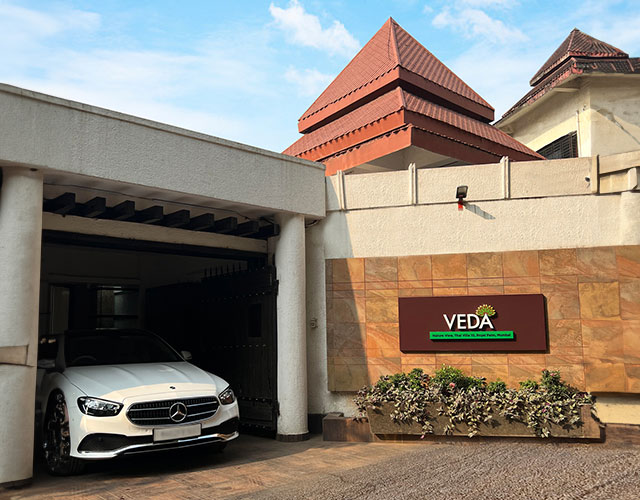
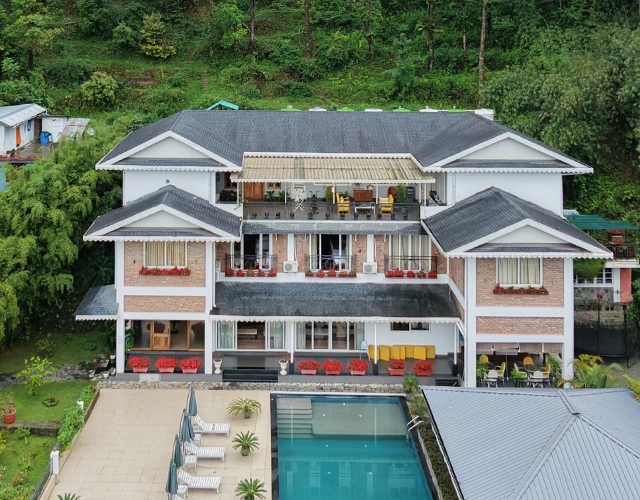
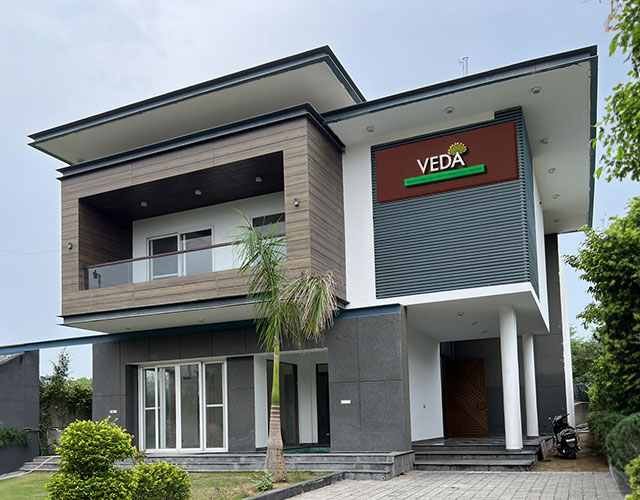
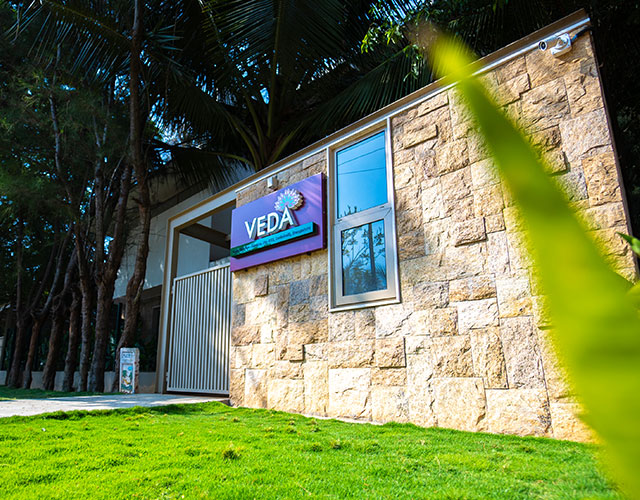
Veda Rehabilitation and Wellness is a private, luxury rehabilitation centre in India with centres in Mumbai, Delhi, Bengaluru, and Gangtok.

A small-capacity clinical model designed for serious depression

Veda operates with a maximum of 8-12 clients at a time across its luxury centres in Mumbai, Delhi, Bengaluru, and Gangtok. The multidisciplinary team includes qualified psychiatrists and psychologists delivering structured CBT, DBT, ACT, REBT, and Gestalt therapy alongside medication review. The programme is built to handle dual diagnosis cases where depression coexists with substance use or other psychiatric conditions, addressing both simultaneously rather than sequentially. 

Clinical depth plus holistic wellness

Veda’s programme layers therapies with a documented evidence base alongside holistic adjuncts including yoga, meditation, Reiki, art therapy, and sound healing. Personalised nutrition plans with organic, brain-supporting meals prepared by trained chefs under nutritionist supervision support physical recovery, sleep regulation, and motivation alongside the clinical work. Post-programme aftercare with continuous support sustains outcomes after discharge, addressing the vulnerability that many families encounter when a clinical episode ends but long-term recovery is still being consolidated.

Who Veda is built for

Veda’s model suits high-net-worth individuals who value privacy, international clients seeking world-class care in India, and working executives who need structured connectivity arrangements written into their recovery programme from the outset. The four-city presence across India means families can choose a location by proximity, climate, or personal preference. For those who have not found adequate help through outpatient therapy alone and need intensive, structured, confidential care, Veda offers a serious clinical option in a setting that does not feel clinical.

Making your final decision

Choosing between rehab centres for depression in India deserves the same rigour as any major medical decision. Verify licencing, scrutinise the therapy model, understand the full cost structure including what the quoted fee excludes, and ask all seven questions directly. Red flags matter as much as green ones: a beautiful facility with no psychiatrist on call is a liability, not a luxury. 

Families who do this groundwork end up in programmes that genuinely match the clinical complexity and personal needs of the person in their care. The difference between a programme that works and one that does not often come down to questions asked at the start, not regrets raised at the end. 

If you are searching for rehab centres for depression in India, whether in Mumbai, Delhi, Bengaluru, or elsewhere, we encourage you to get in touch with our team at Veda Rehabilitation and Wellness. We are happy to answer every question on this list, in writing, before any admission is discussed. 

Frequently Asked Questions

How can I verify that a centre's psychiatrist is properly registered?

You can verify a psychiatrist’s registration through the National Medical Commission or the relevant state medical council. We advise requesting the psychiatrist’s registration number and checking it against those registries to confirm their credentials. 

An itemised quote should include fees for the programme plus explicit line items for medicines, diagnostic tests, and aftercare support if these are not already bundled. We recommend asking centres to spell out exclusions so you can compare true total costs across locations and programmes. 

No, holistic therapies are adjuncts and not a replacement for psychiatric care. We expect holistic elements to complement structured, evidence-based therapies and regular medication review rather than substitute for them.

Yes, Veda treats international clients seeking world-class care in India. We note that Veda’s model is also designed for high-net-worth individuals and working executives who require privacy and structured connectivity arrangements.

Admissions at very small censuses tend to be more discreet and easier to keep confidential in practice. We operate with a maximum of five clients across our centres, which supports genuine confidentiality alongside operational discretion about location and identity.

Comments are closed