Social Anxiety Disorder Treatment in India

Social Anxiety Disorder Treatment

Most people feel some nervousness before a presentation or a first date. Social anxiety disorder is different in degree, not just in kind: it’s a persistent, intense fear of being watched, judged or embarrassed in front of others, severe enough that it shapes which situations a person will and won’t enter. It’s one of the most common anxiety conditions and one of the most under-treated, because the symptoms themselves like avoiding attention, staying quiet, not putting oneself forward often get mistaken for shyness or introversion rather than recognised as a treatable condition.

Social Anxiety vs. Shyness

Shyness is a personality trait like a preference for smaller social settings that doesn’t necessarily interfere with someone’s life. Social anxiety disorder is a clinical condition where the fear of judgment is severe enough to cause real distress and to actively narrow a person’s choices: turning down a promotion because it involves presenting, avoiding calling instead of texting, skipping meals in front of others or missing important events entirely rather than risk being watched or evaluated. The distinguishing line isn’t how introverted someone is but it’s how much the fear costs them.

Symptoms of Social Anxiety Disorder

Symptoms typically fall into three categories:

Emotional and cognitive

Emotional and cognitive

Intense fear of being judged, embarrassed or humiliated; excessive anticipatory worry in the days or weeks before a social event; harsh self-criticism replaying the event afterward.

Physical

Physical

Blushing, sweating, trembling, a racing heart, nausea or a shaky voice when in or anticipating a social situation.

Behavioural

Behavioural

Avoiding social or performance situations altogether or enduring them only with significant distress; relying on "safety behaviours" like avoiding eye contact, rehearsing sentences in advance or staying near an exit.

Common Triggers

Public speaking or presenting in front of a group

Eating, drinking, or writing in front of others

Meeting new people or making small talk

Being observed while performing a task at work

Starting conversations, or being the centre of attention in any way

Why It Often Goes Untreated

Social anxiety disorder tends to emerge in adolescence and, left unaddressed, often persists for decades. Because the condition’s core symptom is avoiding attention, people with it rarely raise their hand to say something is wrong which is the same fear that drives the disorder also makes it hard to seek help for it. Over time, the avoidance can narrow a person’s education, career and relationships in ways that compound: fewer opportunities taken, fewer connections made, each reinforcing the belief that social situations are dangerous.

What Causes Social Anxiety Disorder

What Causes Social Anxiety Disorder
  • A family history of anxiety disorders
  • A temperament that is naturally more behaviourally inhibited or sensitive to negative evaluation from an early age
  • Negative or humiliating social experiences, particularly during childhood or adolescence (bullying, public embarrassment, harsh criticism)
  • Overprotective or highly critical parenting styles that reinforce a fear of judgment
  • New or unfamiliar social demands, such as starting a new school or job

How Social Anxiety Relates to Other Anxiety Conditions

Social anxiety disorder is one specific form within the broader category of anxiety disorders, distinguished by its focus on social evaluation rather than generalised worry or panic. It frequently overlaps with generalised anxiety disorder and panic disorder, and many of the same underlying mechanisms and treatment approaches apply across all three. For a broader look at how anxiety conditions are assessed and treated, see our Anxiety Disorder Treatment page.

How We Treat Social Anxiety Disorder

Psychiatric and psychological assessment

Psychiatric and psychological assessment

Establishing the specific pattern and severity of social anxiety and screening for commonly co-occurring conditions such as depression or generalised anxiety.

Cognitive Behavioural Therapy (CBT)

Cognitive Behavioural Therapy (CBT)

The primary evidence-based treatment, working to identify and restructure the distorted beliefs that fuel the fear of judgment ("everyone is watching for my mistakes") and gradually reduce reliance on safety behaviours.

Graded exposure

Graded exposure

A structured, paced return to avoided social situations starting with lower-stakes interactions and building up so confidence is rebuilt through real experience rather than avoidance.

Social skills and communication practice

Social skills and communication practice

Particularly useful for clients whose avoidance has meant fewer opportunities to practise everyday social interaction.

Group therapy

Group therapy

Used carefully and at a pace the client can manage, since a supportive group setting can itself become a form of structured exposure.

Medication, where appropriate

Medication, where appropriate

SSRIs are the typical first-line medication option for more severe or persistent social anxiety, usually alongside therapy rather than in place of it.

Social Anxiety Treatment at Veda Rehab

A Personalised, Voluntary Residential Programme
At Veda Rehabilitation and Wellness, social anxiety disorder is treated through a voluntary, residential programme designed around the individual rather than a fixed protocol. Every admission begins with a confidential assessment, where a psychiatrist and psychologist establish the severity of the fear, the situations avoided and any co-occurring conditions such as depression, generalised anxiety or panic. From this, a personalised plan is built and delivered by a coordinated team of psychiatrists, psychologists and therapists, so medication (where clinically appropriate), psychotherapy, family counselling and lifestyle work are planned together rather than in isolation.

Small Groups, Near One-to-One Support
We keep our cohorts deliberately small, with a maximum of 5–8 clients per centre and a near one-to-one therapist-to-client ratio. That matters for social anxiety in particular, because clients can build confidence gradually in a setting that feels safe rather than overwhelming.

How Long Treatment Takes
Treatment typically runs between 4 and 12 weeks depending on severity and complexity, with a 90-day flagship structure for deeper, more entrenched cases.

Real-World Practice and EMDR
Because avoidance is central to the condition, therapy is paired with real-world practice: graded exposure moves from small group interactions inside the centre to supervised outings, so confidence is rebuilt through experience rather than avoidance. Where past humiliation or trauma sits underneath the fear, EMDR is available at all four of our centres (Mumbai, New Delhi, Bengaluru and Gangtok, Sikkim).

Privacy, Family Involvement and Aftercare
Our programme is private and discreet. Families are encouraged to take part through counselling and visits, and clients are supported after discharge through structured aftercare and follow-up sessions.

Admission Is Always Voluntary
We do not pick anyone up or force anyone into treatment. If you or someone you love is considering help, the first step is a confidential conversation with our team on (+91) 81518 30000 or via WhatsApp.
Social Anxiety Disorder Treated At All Our Centres

Veda Rehabilitation & Wellness - Premium Mental Health & Addiction treatment Centre in Mumbai

Mumbai

Veda, Thai Villa 10, Nature's View, Royal Palm, Royal Palms Estate, Aarey Colony, Goregaon, Maharashtra 400065

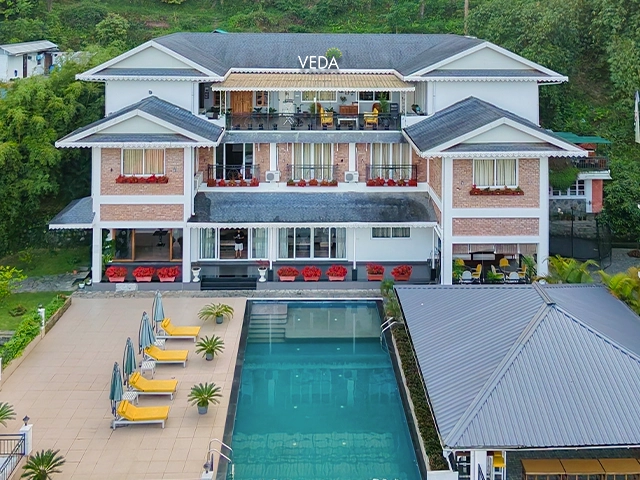
Veda Rehabilitation & Wellness centre in Gangtok, Sikkim

Gangtok, Sikkim

Yarlam Villa, Assam Lingzey Rd, Gangtok, Sikkim 737135

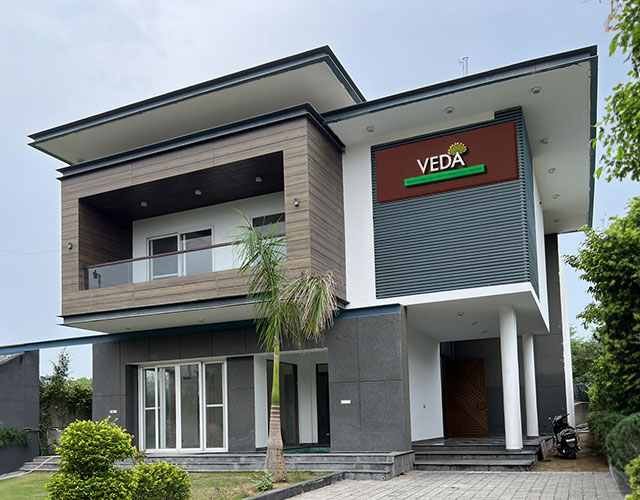
Veda Rehabilitation & Wellness - Top Alcohol and Drug Addiction Treatment Centre in Delhi

New Delhi

Veda, 18A, Mother Teresa Dr, Dera Village, Fatehpur Beri, New Delhi, Delhi 110074

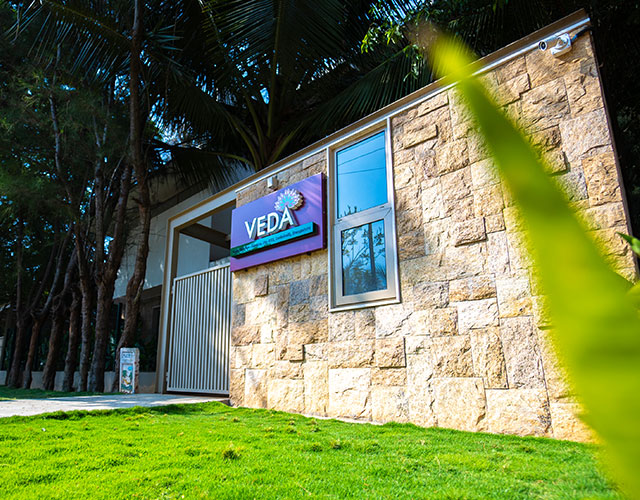
Veda Rehabilitation & Wellness - Best Luxury Addiction Treatment Centre in Bengaluru

Bangalore

6, Veda, M.S Engineering, college Road, Opp. to Namma Swimming Pool, Navarathna Agrahara, Bengaluru, Karnataka 562157

Talk to our admissions team

Social anxiety is treatable, and you don’t have to keep turning down opportunities to avoid it.
Speak to our clinical team in confidence.

Frequently Asked Questions About Social Anxiety Disorder Treatment

Is social anxiety disorder curable?

Social anxiety disorder is highly treatable, and many people recover fully or reduce their symptoms to the point where they no longer limit daily life. Cognitive Behavioural Therapy (CBT) and graded exposure produce lasting improvement for many people, sometimes combined with medication. Because avoidance can return under stress, good treatment also teaches relapse-prevention skills so that progress is maintained after therapy ends.

It depends on severity, how long the avoidance has been entrenched, and whether other conditions such as depression or alcohol use are present. Weekly outpatient CBT is commonly delivered over about three to five months. At Veda, residential treatment typically runs 4 to 12 weeks depending on the condition, with a 90-day flagship programme for deeper or more complex cases, followed by aftercare.

Both involve fear of rejection and avoidance of people, and they can occur together, but they are different diagnoses. Social anxiety disorder centres on fear of being judged in specific social or performance situations. Avoidant personality disorder is a long-standing personality pattern, usually beginning in early adulthood, in which a person feels fundamentally inadequate and avoids close relationships as well as social settings. A psychiatrist or clinical psychologist can tell them apart through a full assessment, and the distinction shapes the treatment plan.

No, not everyone does. Therapy alone helps many people. When symptoms are more severe or persistent, a psychiatrist may recommend an SSRI or a related antidepressant, usually alongside therapy rather than instead of it. Medication is always prescribed and monitored by a psychiatrist after assessment, and at Veda it is coordinated with the psychological treatment plan.

Many people improve with outpatient therapy. Residential treatment is worth considering when social anxiety has seriously disrupted work, education or relationships, when it occurs alongside depression, trauma or alcohol or drug use, or when outpatient treatment has not been enough. A residential setting brings daily therapy, a small supportive group, structured exposure practice and psychiatric oversight together in one place, away from everyday pressures. A confidential assessment with our team can help you decide whether it is the right fit.

Yes. Many people with social anxiety use alcohol or other substances to feel calmer in social situations, and this can progress to dependence over time. Treating only the substance use leaves the underlying fear in place, which is a common reason for relapse. Veda treats the anxiety and the substance use together through a personalised dual diagnosis plan that includes psychiatric assessment, therapy and relapse prevention.

Admission at Veda is entirely voluntary. The first step is a confidential conversation or assessment with our team by phone on (+91) 81518 30000 or WhatsApp. We review your history and needs, recommend the most suitable centre among Mumbai, New Delhi, Bengaluru and Gangtok (Sikkim), and build a personalised plan. Our cohorts are small, with a maximum of 5 to 8 clients per centre, and families are welcome to take part through counselling and visits.

Dr. Jayesh Ghodke, Consulting Psychiatrist, Veda Rehabilitation and Wellness

Medically reviewed by

Dr. Jayesh Ghodke

MBBS, DPM, DNB (Psychiatry) · Consulting Psychiatrist, 7+ years

Clinical Team, Veda Last reviewed