Drugs Addiction Treatment

  • Home
  • Drugs Addiction Treatment

Drug Addiction Treatment Centre in India for Personalised, Lasting Recovery

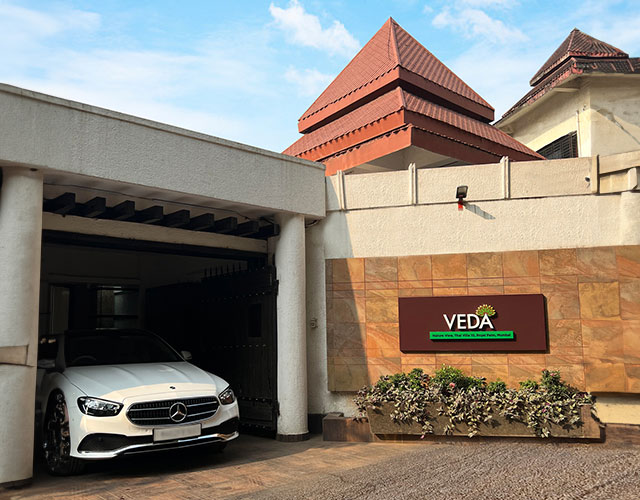
Veda Rehabilitation and Wellness is a boutique drug addiction treatment centre in India, designed for individuals seeking privacy, depth, and truly personalised care. With a strictly limited capacity of only 8 voluntary in-patient clients at a time, we deliver what large drug rehabilitation centres in India often cannot; focused attention, emotional safety, and tailored recovery journeys.

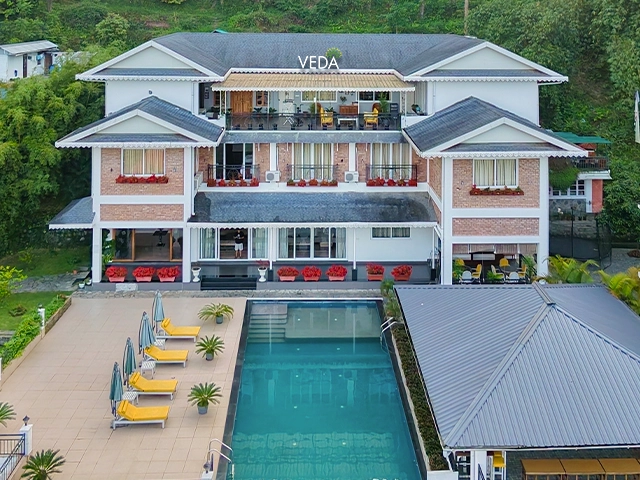
Unlike overcrowded or institutional drug rehab centres, Veda offers a calm, luxury environment where recovery happens with dignity, trust, and clinical integrity.

A Holistic & Evidence-Based Approach to Drug Addiction Recovery

At Veda, drug addiction treatment goes far beyond detoxification or stopping substance use. Recovery is approached as a whole-person transformation, addressing the mental, emotional, and physical dimensions of addiction.

Our integrated care model includes:

  • Individual psychotherapy and psychiatric support
  • Yoga, meditation, and mindfulness practices
  • Sports, movement, and physical wellness routines
  • Art therapy, music therapy, and sound healing
  • Nervous system regulation through structured daily rhythms

Every therapy and wellness intervention at our drug rehab addiction treatment centre in India is evidence-based and professionally supervised.

A Drug Rehabilitation Centre Built on Trust, Not Restriction

Veda is a voluntary, non-institutional drug rehabilitation centre in India. We believe recovery works best when clients feel respected and trusted.

Here, clients:

  • Retain phone access and can continue work if required
  • Meet family regularly within structured guidelines
  • Heal alongside real life, not in isolation

Adding warmth to the environment is Enso, our therapy support dog, who provides emotional grounding and comfort during the recovery process.

What Makes Veda Different from Other Drug Rehab Centres in India?

  • Extremely limited intake for personalised care
  • Custom treatment plans tailored to each substance and individual
  • Experienced psychiatrists, psychologists, and therapists
  • Fresh, nutritious meals prepared in-house
  • A luxury, peaceful setting designed to support clarity and healing
  • Transparency in detox and therapy protocols

This combination makes Veda one of the most trusted luxury drug rehabilitation treatment centres in India.

Our Drug Addiction Treatment Program

Drug-Specific Detox & Stabilisation

Detox is the foundation of recovery, but no two substances affect the brain and body the same way. At Veda, detox protocols are customised for each drug, ensuring safety, comfort, and clinical accuracy.

Detox planning is based on:

  • Type of drug used
  • Duration and frequency of use
  • Dosage patterns
  • Physical and mental health history

Our detox and stabilisation process includes:

  • 24/7 medical and psychological monitoring
  • Medication support when clinically necessary
  • Emotional reassurance and structured daily care
  • A calm, private environment for nervous system regulation

The goal is not only detoxification, but physical and emotional stabilisation, preparing clients for deeper therapeutic work.

Targeted Therapy & Recovery Skill Development

Recovery is never one-size-fits-all. Different substances create different emotional patterns, cravings, and behavioural loops. That’s why therapy at Veda is drug-specific and person-specific.

At our drug rehabilitation centre India, therapy is:

  • Drug-specific
  • Person-specific
  • Progress-driven

Our integrated therapy approach includes:

Clients also rebuild daily structure, discipline, and healthy habits, which are essential for long-term recovery.

Sustained Recovery & Long-Term Stability Planning

True recovery continues beyond discharge. Our drug rehab addiction treatment India model prioritises long-term stability.

Aftercare planning includes:

  • Identifying personal triggers and relapse patterns
  • Developing real-world coping strategies
  • Structured family involvement to support recovery
  • Ongoing counselling and outpatient support
  • Life skills and decision-making training

This ensures clients return to independent living with confidence, resilience, and support.

Duration of treatment : 3 Months

What Does A Day At Veda Look Like?

Sample Daily Schedule at Veda

Trusted alcohol rehabilitation centre with experienced addiction specialists

7:00 – 8:00 AM

Morning beverage (tea, coffee, or detox juice) + yoga, pickleball, gym, or light movement

Trusted alcohol rehabilitation centre with experienced addiction specialists

8:00 – 10:00 AM

Breakfast (flexible timing) + personal preparation

Trusted alcohol rehabilitation centre with experienced addiction specialists

10:30 AM

Gratitude or grounding practice

Trusted alcohol rehabilitation centre with experienced addiction specialists

11:00 AM

Individual therapy session

Trusted alcohol rehabilitation centre with experienced addiction specialists

12:30 PM

Therapeutic assignments or psychoeducation

Trusted alcohol rehabilitation centre with experienced addiction specialists

1:30 PM

Lunch + free time

Trusted alcohol rehabilitation centre with experienced addiction specialists

3:30 PM

Art therapy, music therapy, or sound healing

Trusted alcohol rehabilitation centre with experienced addiction specialists

5:00 PM

Group session or structured group activity

Trusted alcohol rehabilitation centre with experienced addiction specialists

6:30 PM

Evening wellness (sports, walk, meditation, mindfulness)

Trusted alcohol rehabilitation centre with experienced addiction specialists

8:00 – 10:00 PM

Dinner

Trusted alcohol rehabilitation centre with experienced addiction specialists

10:00 PM

Rest and sleep

What Is The Cost Of The Treatment ?

What’s Included In The Fee

  • Daily 1:1 therapy
  • Psychiatric consultations
  • Yoga, meditation, breathwork
  • Art & music therapy
  • Meals and snacks
  • Comfortable accommodation
  • Family therapy (online if needed)
  • Relapse prevention planning

What’s Not Included

  • Prescription medicines
  • Blood tests or advanced investigations
  • External specialist consultations

Outcomes, Commitment & Honest Expectations

No ethical drug addiction treatment centre promises a lifetime cure. Addiction is a long-term brain condition, similar to diabetes or hypertension. Relapse risk exists if care stops.

What improves outcomes is quality, depth, and continuity of treatment.

At Veda, recovery is built through:

  • Evidence-based therapy
  • Medical and psychiatric support
  • Daily wellness practices
  • Time, structure, and emotional safety
  • A clear aftercare plan

We do not offer guarantees. We offer clinical integrity, consistent support, and a team that stays with you through every stage of recovery. 

Begin the Recovery Journey

Choosing a professional drug rehab addiction treatment centre in India can change a life’s direction. If you or someone you love is struggling, Veda Rehabilitation and Wellness is here to help with clarity, compassion, and structured care.

Recovery begins with one informed step.

We’re ready when you are.

Locations

New Delhi

Veda, 18A, Mother Teresa Dr, Dera Village, Fatehpur Beri, New Delhi, Delhi 110074

Mumbai

Veda, Thai Villa 10, Nature's View, Royal Palm, Royal Palms Estate, Aarey Colony, Goregaon, Maharashtra 400065

Bangalore

6, Veda, M.S Engineering, college Road, Opp. to Namma Swimming Pool, Navarathna Agrahara, Bengaluru, Karnataka 562157

FAQs

How do I choose the right drug addiction treatment center in India?
Choosing the right drug addiction treatment center India depends on personalised care, medical supervision, therapy quality, privacy, and aftercare support. A good centre should offer evidence-based treatment, experienced clinicians, and customised plans rather than one-size-fits-all programs.
An effective drug rehab addiction treatment centre focuses on more than detox alone. The best outcomes come from centres that combine medical detox, individual therapy, psychiatric care, wellness practices, family involvement, and long-term relapse prevention.
Luxury drug rehabilitation treatment centers India are worth considering when they provide deeper personal attention, low patient-to-staff ratios, privacy, and integrated mental and physical healing. These factors often improve comfort, engagement, and long-term recovery outcomes.
At a professional drug rehabilitation centre India, treatment duration typically ranges from 30 days to 90 days, depending on the substance used, severity of addiction, mental health needs, and recovery progress. Some clients may benefit from extended care or step-down programs.
Many modern drug rehab addiction treatment centres India, especially voluntary and premium programs, allow limited phone and laptop use and scheduled family visits. This helps clients stay connected to real life while focusing on recovery in a structured and supportive environment.
The most effective evidence-based treatments for drug addiction include a combination of behavioral therapies and medications. Cognitive Behavioral Therapy (CBT), Contingency Management, and Motivational Interviewing are widely recognized for their effectiveness. Medications such as methadone, buprenorphine, and naltrexone are often used for opioid addiction, while disulfiram, acamprosate, and naltrexone are used for alcohol dependency. These treatments are tailored to individual needs to address both the psychological and physical aspects of addiction.
Common challenges in drug addiction treatment include:
  • Relapse:The risk of returning to substance use is high, especially without a strong support system.
  • Co-occurring Disorders:Many individuals with addiction also suffer from mental health issues, requiring integrated treatment.
  • Stigma: Social stigma can prevent individuals from seeking help and can affect their self-esteem.
  • Access to Treatment:Geographic, financial, and logistical barriers can impede access to quality care.
  • Adherence: Ensuring that patients stick to their treatment plans and attend follow-up sessions can be challenging.
Rehabilitation centers offer a variety of therapies, including:
  • Cognitive Behavioral Therapy (CBT):Helps patients recognize and change negative thought patterns.
  • Dialectical Behavior Therapy (DBT):Focuses on teaching coping skills to manage stress and emotional regulation.
  • Motivational Interviewing (MI): Encourages patients to find personal motivation to change.
  • Contingency Management (CM): Provides tangible rewards for positive behaviors.
  • Family Therapy:Involves family members in the recovery process to address familial issues and improve communication.
  • Holistic Therapies:Such as yoga, meditation, and art therapy to support overall well-being.
Rehabilitation centers are highly effective in treating opioid addiction, particularly when they employ a comprehensive approach combining medication-assisted treatment (MAT) with behavioral therapies. MAT uses medications like methadone, buprenorphine, and naltrexone to reduce cravings and withdrawal symptoms, allowing individuals to engage more effectively in therapy. Success rates improve significantly with continuous care and aftercare support.
Aftercare programs in India include:
  • Outpatient Counseling: Regular therapy sessions to support ongoing recovery.
  • Support Groups: Peer support groups such as Narcotics Anonymous (NA) to provide a community of support.
  • Sober Living Homes: Structured living environments that offer support and accountability.
  • Follow-Up Appointments:Regular check-ins with therapists and healthcare providers to monitor progress.
  • Relapse Prevention Programs:Strategies and skills to manage triggers and prevent relapse.
Rehabilitation centers integrate mental health support through:
  • Dual Diagnosis Treatment:Simultaneous treatment for both substance use disorders and co-occurring mental health conditions.
  • Individual Therapy:One-on-one sessions with a psychologist or psychiatrist to address mental health issues.
  • Group Therapy: Facilitated sessions where individuals can share experiences and coping strategies.
  • Medication Management:Prescribing and monitoring medications for mental health conditions
  • Holistic Approaches: Incorporating mindfulness, stress management, and wellness practices to support mental health.
Drug abuse refers to the harmful or hazardous use of psychoactive substances, including alcohol and illicit drugs. Prevention strategies include:
  • Education and Awareness:Informing the public about the risks and consequences of drug use.
  • Community Programs: Initiatives to engage youth and provide healthy alternatives to drug use.
  • Early Intervention:Identifying and supporting individuals at risk before drug use becomes a problem.
  • Policy Measures:Enforcing laws and regulations to reduce the availability and accessibility of drugs.
Drug abuse can have severe effects on youth, including:
  • Mental Health Issues:Increased risk of depression, anxiety, and other mental health disorders
  • Academic Problems:Poor academic performance and higher dropout rates.
  • Social Issues:Strained relationships with family and friends and social isolation.
  • Legal Consequences: Increased likelihood of engaging in criminal activities and encountering legal troubles.
  • Health Risks: Physical health problems such as cardiovascular issues, liver damage, and increased susceptibility to infectious diseases.
Family therapy plays a crucial role in rehabilitation by:
  • Improving Communication:Enhancing understanding and communication between family members.
  • Addressing Dysfunctional Dynamics:Identifying and resolving patterns that contribute to substance use.
  • Providing Support:Strengthening the family unit to support the individual’s recovery journey.
  • Educating Family Members: Helping families understand addiction and how they can contribute positively to recovery.
  • Reducing Relapse Rates: Creating a supportive environment that reduces the likelihood of relapse
Success stories from luxury drug rehabilitation centers often involve:
  • High Profile Recoveries:Celebrities and high-net-worth individuals who have successfully overcome addiction.
  • Customized Care:Individuals who have benefitted from personalized treatment plans that cater to their unique needs.
  • Holistic Healing:Stories of patients who have found balance and healing through a combination of traditional and holistic therapies
  • Long-Term Sobriety: Individuals who have maintained long-term sobriety with the support of aftercare programs and continued engagement with the center.
  • Enhanced Quality of Life:Patients who report significant improvements in their mental, physical, and emotional well-being post-treatment.