- Mumbai, Gangtok, New Delhi, Bangalore
- (+91) 81518 30000
- WhatsApp Now
- contact@vedawellnessworld.com
A supportive approach to BPD treatment
Living with Borderline Personality Disorder (BPD) can feel overwhelming. Intense emotions, relationship struggles and difficulty managing daily responsibilities can make life frustrating and exhausting.
If you are searching for BPD treatment in Mumbai, it may mean you or someone you love is ready to find real help, not just information.
Take a moment to pause and breathe.
With the right care, guidance and professional support at Veda Rehabilitation and Wellness, BPD can be managed effectively. With proper therapy and support, many people learn healthier ways to cope, build stable relationships and create a more balanced and fulfilling life.
Borderline Personality Disorder (BPD) is a complex mental health condition characterized by patterns of unstable emotions, self-image, and behavior. Individuals with BPD often struggle with intense and unstable relationships, fluctuating self-esteem, and difficulties regulating emotions. The exact cause of BPD is not fully understood, but a combination of genetic, environmental, and neurobiological factors may contribute to its development.
While the exact causes of BPD are not fully understood, several factors may contribute to its development. These include:
At Veda Rehabilitation and Wellness, we offer comprehensive treatment for individuals with Borderline Personality Disorder (BPD). Our integrated approach incorporates evidence-based therapies, supportive interventions, and holistic modalities to address the complex needs of individuals with BPD.
At Veda Rehabilitation and Wellness, we understand the challenges faced by individuals living with borderline personality disorder (BPD) and are committed to providing comprehensive and compassionate treatment to support their journey towards recovery. Our integrated approach incorporates evidence-based therapies, supportive interventions, and holistic modalities to address the complex needs of individuals with BPD.
Our experienced clinicians specialize in psychotherapeutic approaches tailored to BPD, including Dialectical Behavior Therapy (DBT) and Cognitive Behavioral Therapy (CBT). Through these modalities, clients learn effective coping skills, emotion regulation techniques, and strategies to manage impulsivity and interpersonal difficulties.
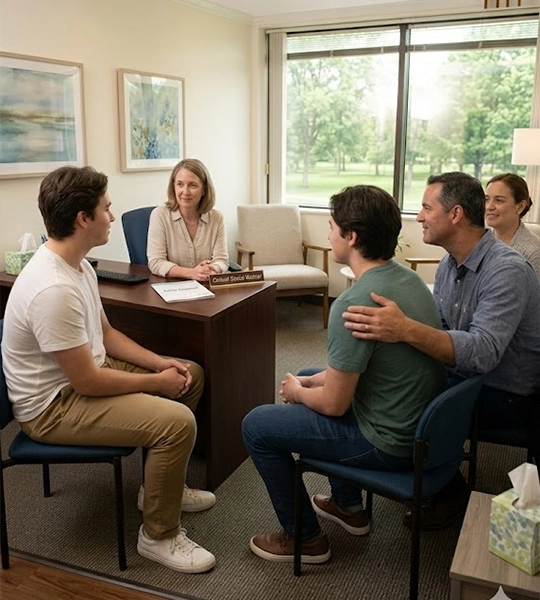
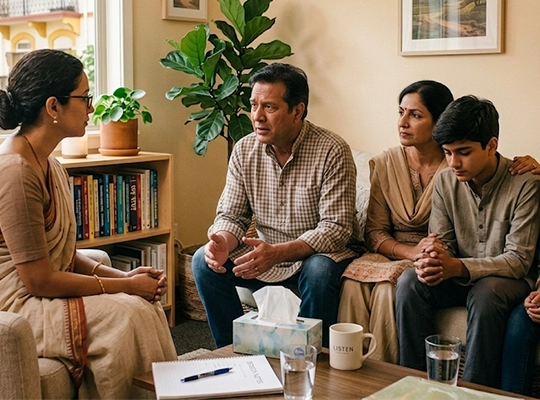
Group therapy and family therapy play crucial roles in BPD treatment at Veda. Group sessions provide a supportive environment for individuals to connect with peers, gain insight, and practice interpersonal skills. Family therapy involves loved ones in the treatment process, fostering understanding, communication, and healthy relationships.
For some individuals with BPD, medication may be recommended to alleviate symptoms such as depression, anxiety, or mood instability. Our psychiatric team provides thorough evaluations and personalized medication management to address specific symptoms and optimize overall well-being.
Mindfulness practices and coping skills training are integral components of BPD treatment at Veda. Through mindfulness-based interventions and skills training groups, clients learn to cultivate present-moment awareness, tolerate distress, and regulate emotions effectively.
Veda embraces holistic modalities such as yoga, art therapy, and recreational therapy to complement traditional treatment methods for BPD. These holistic approaches promote self-expression, stress reduction, and overall well-being, enhancing the therapeutic experience and supporting personal growth.
As part of our commitment to comprehensive care, Veda provides thorough aftercare planning to support clients as they transition back into their daily lives. Our team collaborates closely with clients to develop personalized aftercare plans, which may include ongoing therapy, support groups, and community resources to promote sustained recovery.
For many families, reaching out to a rehab centre in Mumbai can be a difficult decision. It often comes after weeks or months of uncertainty and emotional conversations.
Families commonly ask themselves questions like:
These concerns are completely normal and very common.
However, in many cases, seeking professional help earlier can make a big difference. Early support can help manage symptoms sooner and make the recovery process smoother for both the individual and their family.
Professional care at places like Veda Rehabilitation and Wellness can provide the guidance, therapy and structured support needed to help individuals and families move toward stability and healing.
We keep the process simple and respectful.
No pressure. Just understanding your situation clearly.
We help determine whether rehab in Mumbai is the right step.
We guide families through how to bring their loved one in, even if there is hesitation or resistance.
One of the biggest fears families have is uncertainty.
Here’s what actually happens inside a rehabilitation centre in Mumbai:
Day 1–3: Settling in
Medical and psychological assessments, orientation, emotional adjustment
Week 1: Detox and stabilization
Week 2–4: Core recovery
Therapy, emotional processing, identifying triggers, structured routine
Beyond: Preparing for life after treatment
Relapse prevention, coping tools, rebuilding relationships
This is a Sample of Daily Schedule at Veda

Morning beverage (Tea, coffee, or detox juice) + Physical activity (Yoga, pickleball, or gym workout)

Breakfast (flexible timing) + Shower and preparation for the day.

Morning gratitude or prayer practice

Therapy Session (Individual session with psychologist)

Therapeutic Assignments (Written assignments, psychoeducation, or reading).
Group Discussions 2 times a week

Lunch (flexible timing) + Afternoon Free Time (Approx 2 hours)

Creative & Healing Therapies (Art therapy, music therapy, or sound healing (approx. 1 hour)
Group Therapies

Group Activities (Group session or group activity for approx. 1 hour)

Evening Wellness (Sports, walk, meditation, or mindfulness session approx. 1–1.5 hours)

Dinner (flexible timing)

Bedtime
Excludes any special prescribed medication, blood test work etc
No one ethical can promise a permanent cure. Addiction is a chronic, relapsing brain condition, and relapse rates are like other chronic illnesses like asthma or hypertension. That is why guarantees are not medically honest. The good news is that treatment works, and your odds improve a lot when we combine therapy, medicine, wellness practices, time in care and a structured aftercare plan.
That is the honest promise we make and we will walk that path with you.
For many families, privacy is essential.
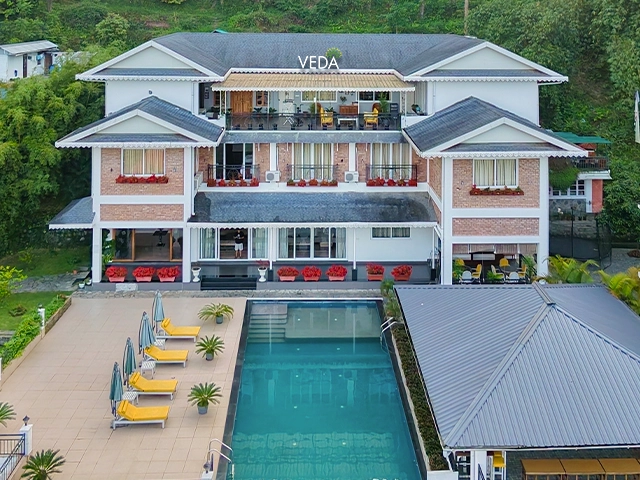
Veda offers a luxury rehab in Mumbai designed for:
This helps clients feel safe, not restricted.
Recovery is stronger when families are involved.
We provide:
Because healing extends beyond the individual.
Rhea was a marketing executive living in Mumbai who had always been described as “intense.” Her relationships moved quickly and ended dramatically. A small disagreement with her partner could spiral into hours of emotional distress, angry messages and overwhelming fear of abandonment. Over time, Rhea began experiencing extreme mood swings, impulsive spending, and occasional self-harm during emotional crises. She often regretted her actions afterward but felt unable to control them in the moment.
Her family convinced her to seek help at Veda Rehabilitation and Wellness after a particularly difficult breakup that left her feeling hopeless.
At Veda, Rhea began Dialectical Behavior Therapy (DBT), which focuses specifically on BPD. Initially, she struggled with the structure of therapy but slowly she began learning skills like:
A 42-year-old business owner sought help Arjun was a successful entrepreneur, but his personal life was filled with instability. Friends and partners often described him as loving one moment and intensely angry the next. His fear of rejection caused him to push people away before they could leave him. Arguments would escalate quickly, sometimes leading to destructive behavior or impulsive decisions that affected his business and relationships. After his engagement ended abruptly, Arjun finally acknowledged he needed professional help. He enrolled in a treatment program at Veda Rehabilitation and Wellness.
During treatment, therapists helped him understand how childhood emotional neglect had shaped his attachment patterns and fear of abandonment.
Through therapy, Arjun worked on:
An important truth
Most families wait longer than they should to seek help. Not because they don’t care but because they hope the situation will improve on its own.
Sometimes it does. But in many cases, getting professional support earlier leads to better and more stable recovery outcomes. Early treatment at centres like Veda Rehabilitation and Wellness can provide the right guidance and support before challenges become more difficult to manage.a
Veda, 18A, Mother Teresa Dr, Dera Village, Fatehpur Beri, New Delhi, Delhi 110074
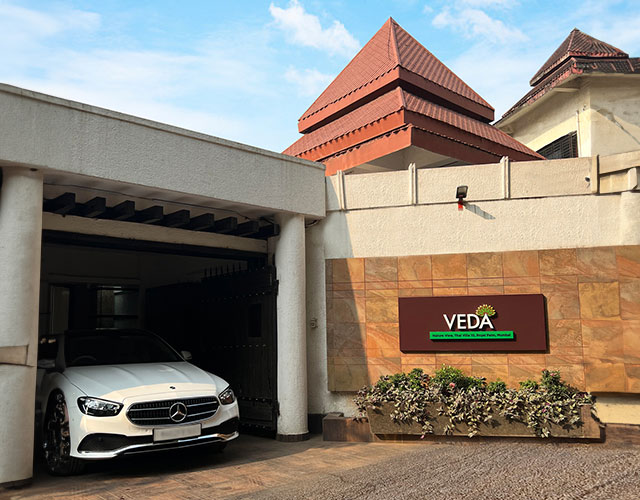
Veda, Thai Villa 10, Nature's View, Royal Palm, Royal Palms Estate, Aarey Colony, Goregaon, Maharashtra 400065
6, Veda, M.S Engineering, college Road, Opp. to Namma Swimming Pool, Navarathna Agrahara, Bengaluru, Karnataka 562157
At Veda Rehabilitation and Wellness, we are committed to helping individuals with Borderline Personality Disorder (BPD) live healthier and more meaningful lives.
Our team works closely with each person to provide the right treatment, helping them regain emotional balance, rebuild relationships and develop a stronger sense of control step by step.
If you would like to learn more about our BPD treatment programs, reach out to us for a confidential conversation. With the right support and care, recovery and stability are possible.
Borderline Personality Disorder (BPD) is a mental health condition characterized by unstable emotions, self-image, and relationships. Individuals with BPD often experience intense mood swings, impulsive behaviors, and difficulties with self-regulation.
Symptoms of BPD may include fear of abandonment, unstable relationships, identity disturbance, impulsivity, suicidal behavior or self-harm, chronic feelings of emptiness, intense anger, and paranoia or dissociative symptoms.
The exact cause of BPD is not fully understood, but a combination of genetic, biological, environmental, and psychosocial factors may contribute to its development. Trauma, neglect, and dysfunctional family dynamics during childhood are common risk factors.
Borderline Personality Disorder (BPD) is typically treated with a combination of psychotherapy, medication, and supportive interventions. Therapeutic approaches such as Dialectical Behavior Therapy (DBT), Cognitive Behavioral Therapy (CBT), and medication management may be utilized to address symptoms and improve quality of life.
Therapy helps individuals with borderline personality disorder (BPD) by providing tools to manage emotions, improve relationships, and reduce self-destructive behaviors. Techniques like cognitive-behavioral therapy (CBT) and dialectical behavior therapy (DBT) are particularly effective in helping individuals develop healthier coping mechanisms and emotional regulation.
Support groups play a significant role in anxiety therapy and treatment by:
Medication plays a crucial role in anxiety rehab programs by:
Mindfulness and relaxation techniques can help during an anxiety attack by: