LSD (Acid) Addiction Treatment at Veda Rehabilitation & Wellness

  • Home
  • LSD (Acid) Addiction Treatment at Veda Rehabilitation & Wellness

A safe, private and clinically guided path to recovery — for you or someone you love.

At Veda Rehabilitation & Wellness, we specialise in LSD addiction treatment through a non-judgmental, evidence-based approach. If you’re searching for an LSD rehab centre in Mumbai, you’re likely not just researching, you’re worried. That worry is a good starting point.

Is Someone You Love Struggling with LSD?

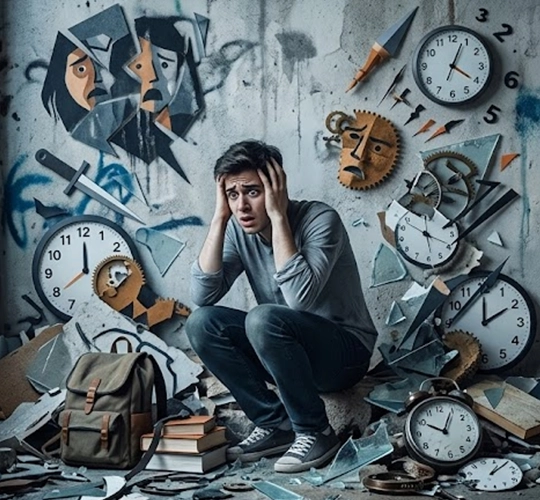
LSD dependence doesn’t always look like traditional addiction. There are no physical withdrawal symptoms — but the emotional and psychological grip can be just as real. Here’s what to watch for:

  • Increasing need to “escape” or “reset” through a trip
  • Growing obsession with ego death, mind expansion or altered states
  • Difficulty managing stress, anxiety, or emotions without drugs
  • Withdrawing from family, routines, or responsibilities
  • Unpredictable mood swings or sudden anxiety spikes
  • Disturbed sleep and difficulty concentrating at work or college
  • Repeated use despite frightening or distressing experiences

A person may not seem addicted — but their psychological reliance is often deep. You’re not overreacting. And this is treatable.

What Is LSD and Why Is It Misused?

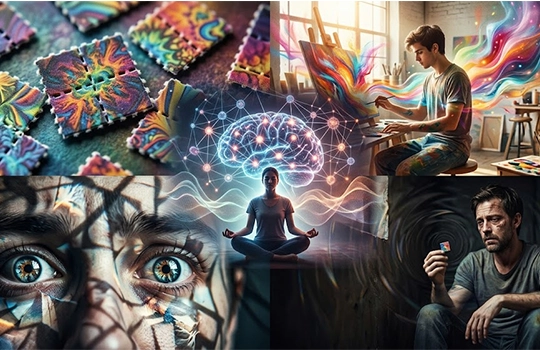
 LSD (Lysergic Acid Diethylamide), commonly called acid, is a powerful hallucinogen that changes how the brain processes reality — affecting perception, emotion, time and sense of self.

People use it out of curiosity, for creative exploration, or to escape emotional pain. A single dose can trigger vivid hallucinations, intense emotional swings, spiritual-like experiences, and severe paranoia.

Unlike substances with physical withdrawal, LSD creates psychological dependence — especially when used repeatedly to numb stress, chase heightened experiences, or manage difficult emotions.

Why LSD Misuse Is Growing in Mumbai

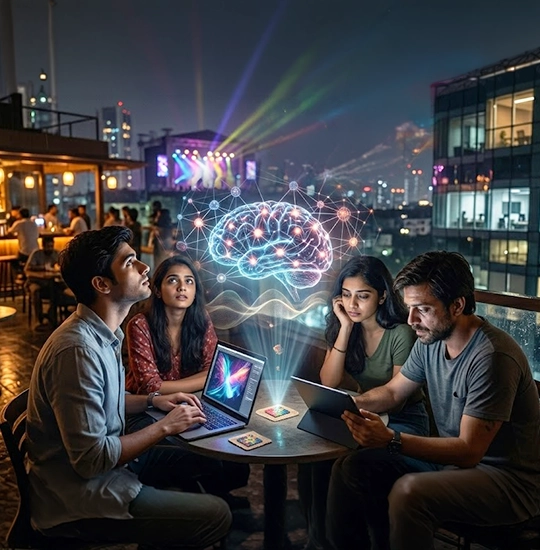
Mumbai’s pace — its startup culture, nightlife, festival circuits and high-pressure professional environments — has made LSD more accessible and normalised among:

  • College students and young adults
  • Tech, design and creative professionals
  • Festival, rave and electronic music communities
  • Individuals exploring “microdosing” for productivity

Many assume LSD is safe because it isn’t physically addictive. But frequent use severely disrupts mental health, emotional regulation and the ability to stay grounded in reality.

How LSD Affects the Mind and Body

Short-Term Effects

  • Heightened senses, visual distortions, rapid mood shifts
  • Increased heart rate, trembling, sweating
  • Panic, fear, paranoia
  • A "bad trip" can cause severe anxiety, threatening hallucinations, and hours of intense confusion

Long-Term Risks of Repeated Use

  • Persistent anxiety and panic disorders
  • Dissociation and emotional instability
  • Depression and memory lapses
  • HPPD (Hallucinogen Persisting Perception Disorder) — visual disturbances that persist long after stopping
  • Flashbacks triggered weeks or months later
  • Difficulty distinguishing imagination from reality

LSD’s long-term risks are consistently underestimated because it lacks physical withdrawal — which is exactly what makes it dangerous.

When Does LSD Use Require Professional Treatment?

Treatment becomes necessary when everyday functioning is affected — work performance, relationships, sleep, emotional safety or decision-making.

Watch for these clinical signs:

  • Recurring panic attacks or paranoia after use
  • Depersonalisation (feeling detached from oneself or surroundings)
  • Difficulty distinguishing imagination from reality
  • Emotional flattening or instability
  • Persistent flashbacks or HPPD symptoms

If you’re unsure, reach out. A confidential conversation costs nothing. Waiting often costs more.

What Families Ask Before Reaching Out

Before contacting a rehab centre in Mumbai, most families wonder:

  • “Are we overreacting?”
  • “What if they refuse help?”
  • “Will rehab damage our relationship?”
  • “Is this really serious enough?”

These questions are completely natural. But one thing we see consistently at Veda: the earlier the intervention, the smoother the recovery.

How Veda Treats LSD Misuse and Psychological Dependence

Our programme blends clinical, psychological and holistic methods — built around stabilising the mind, processing underlying emotions, and restoring clarity.

1. Comprehensive Clinical Assessment
Every client receives a psychiatric evaluation, psychological testing, and screening for anxiety, trauma, depression, HPPD, and dissociation. This ensures treatment is personalised — not generic.
2. Therapy at the Core
  • Cognitive Behavioural Therapy (CBT)
  • Dialectical Behaviour Therapy (DBT)
  • Trauma-Informed Therapy
  • Mindfulness-Based Therapy
  • Somatic Therapy
  • Relapse Prevention Planning
3. Medical Support When Needed
LSD doesn't require physical detox. However, some clients experience panic episodes, psychosis-like symptoms, or acute sleep disruption. Veda's medical team provides short-term stabilisation, monitors safety, and treats co-occurring conditions such as bipolar disorder, PTSD, or anxiety disorders.
4. Holistic Healing for the Nervous System
LSD affects the entire nervous system. Veda supports recovery through:
  • Yoga and breathwork for grounding and panic management
  • Meditation to rebuild calm without substances
  • Sound healing for nervous system regulation
  • Nature walks, movement therapy, and creative arts therapy
  • Nutrition therapy to support brain health and mood
5. Family Guidance and Support
LSD misuse can be confusing for families because it doesn't look like "typical" addiction. Veda provides family counselling, education about hallucinogens, communication strategies, and guidance on healthy boundaries — because recovery is stronger when the whole family heals together.

What Happens Inside Veda — Week by Week

One of the biggest fears families carry is uncertainty about what actually happens in treatment.

Phase Focus
Days 1–3 Medical and psychological assessment, settling in, emotional adjustment
Week 1 Stabilisation, establishing routine, initial therapy
Weeks 2–4 Core therapy, identifying triggers, emotional processing
Beyond Relapse prevention, life skills, rebuilding relationships

Duration of treatment : 3 Months

You Want To Know What A Day At Veda Looks Like?

This is a Sample of Daily Schedule at Veda

Trusted alcohol rehabilitation centre with experienced addiction specialists

7:00 – 8:00 AM

Morning tea/coffee + Yoga, pickleball or gym

Trusted alcohol rehabilitation centre with experienced addiction specialists

8:00 – 10:00 AM

Breakfast + personal preparation

Trusted alcohol rehabilitation centre with experienced addiction specialists

10:30 AM

Morning gratitude or prayer practice

Trusted alcohol rehabilitation centre with experienced addiction specialists

11:00 AM

Individual therapy session with psychologist

Trusted alcohol rehabilitation centre with experienced addiction specialists

12:30 PM

Therapeutic assignments / group discussions (2x/week)

Trusted alcohol rehabilitation centre with experienced addiction specialists

1:30 PM

Lunch + afternoon free time (~2 hrs)

Trusted alcohol rehabilitation centre with experienced addiction specialists

3:30 PM

Creative therapies — art, music or sound healing

Trusted alcohol rehabilitation centre with experienced addiction specialists

5:00 PM

Group session or group activity

Trusted alcohol rehabilitation centre with experienced addiction specialists

6:30 PM

Evening wellness — sports, walk, meditation or mindfulness

Trusted alcohol rehabilitation centre with experienced addiction specialists

8:00 – 10:00 PM

Dinner

Trusted alcohol rehabilitation centre with experienced addiction specialists

10:00 PM

Bedtime

What Is The Cost Of The Treatment?

Inclusive of all taxes. Includes accommodation, meals, treatment and all common wellness practices.
Excludes prescribed medication and blood work where required.

Our Rehab Centres

What Recovery Actually Looks Like

Case 1 — Entrepreneur, 30 After months of using LSD at parties and music festivals, a Mumbai-based entrepreneur came to Veda when persistent anxiety and difficulty concentrating began disrupting his work. Through structured therapy and daily routines, he uncovered the emotional patterns driving his use. By the end of the programme, he reported significant improvements in mental clarity, focus, and emotional stability.

Case 2 — College Student, 24 A 24-year-old came to Veda following a deeply frightening experience on LSD that left him paranoid and unable to stop reliving the episode weeks later. Therapy helped him process the experience and build healthier coping strategies. He completed treatment with improved confidence, regular sleep, and a renewed sense of control over his life.

What's Changing About LSD Use Today

Microdosing Culture: Many young professionals in Mumbai are experimenting with tiny doses of LSD for “productivity” or “creativity.” While it may seem harmless, repeated microdosing can cause emotional instability, psychological dependence, and unpredictable mental health effects.

Rise in Online Access: Dark web forums and encrypted social platforms have made LSD easier to access and harder for families to monitor.

Increasing HPPD Cases: More individuals report persistent visual disturbances long after stopping LSD — a condition requiring professional management.

Polydrug Use: Combining LSD with weed, MDMA or alcohol significantly amplifies risks including extreme panic attacks, dangerous behaviour and psychosis.

How to Start — Three Simple Steps

Step 1: A Confidential Conversation

No pressure. We simply take time to understand your situation clearly.

Step 2: Assessment and Guidance

We help you determine whether residential treatment is the right step, and what that looks like.

Step 3: Admission Planning

We guide families through the entire process — including how to bring a loved one in even when there is hesitation or resistance.

You Don't Need to Decide Everything Right Now.

If you’re exploring LSD addiction treatment in Mumbai, the first step is simply a conversation. No commitment. No pressure.

Reach out confidentially:

Locations

New Delhi

Veda, 18A, Mother Teresa Dr, Dera Village, Fatehpur Beri, New Delhi, Delhi 110074

Mumbai

Veda, Thai Villa 10, Nature's View, Royal Palm, Royal Palms Estate, Aarey Colony, Goregaon, Maharashtra 400065

Bangalore

6, Veda, M.S Engineering, college Road, Opp. to Namma Swimming Pool, Navarathna Agrahara, Bengaluru, Karnataka 562157

Frequently Asked Questions About LSD Addiction Treatment

Is LSD physically addictive?

LSD does not cause physical dependence or withdrawal. However, it creates strong psychological dependence, especially in people using it to manage stress, trauma, or emotional pain.

LSD typically clears from urine within 1–3 days, though effects on mental health can persist far longer — particularly with repeated use.

Repeated LSD use can cause lasting conditions such as HPPD (persistent visual disturbances), anxiety disorders, dissociation, and in some cases, psychosis — especially in individuals with a genetic predisposition.

Yes. Veda’s clinical team is experienced in managing trauma from frightening or distressing psychedelic experiences, including ongoing flashbacks, paranoia, and depersonalisation.

Microdosing is not without risk. If someone is using LSD regularly — even in small quantities — and it’s affecting their emotional stability or they feel dependent on altered states, professional support is appropriate.

Yes. LSD can trigger or accelerate latent mental health conditions, particularly psychosis, severe anxiety disorders, and bipolar disorder.

Veda recommends a minimum of 3 months of residential treatment, followed by structured aftercare.

Family involvement significantly improves recovery outcomes. Veda actively includes families through counselling, education and regular communication.