Self-Harm  Treatment in Mumbai

  • Home
  • Self-Harm  Treatment in Mumbai

A safe, private and effective path to recovery for someone you love

Self-harm is often misunderstood seen only as a symptom, not a signal. But behind every act of self-injury is a person trying to cope with intense emotional pain. 

At Veda Wellness, we approach self-harm with deep compassion and clinical care. We believe that healing isn’t just about stopping the behavior, it’s about understanding the hurt behind it and creating space for recovery, connection, and hope. 

If you’re searching for self-harm treatment in Mumbai, you’re probably not just researching.

You’re worried.

Take a breath.

You’re not alone. And this is treatable.

What is Self-Harm?

Self-harm, also known as non-suicidal self-injury (NSSI), refers to intentionally hurting one’s body as a way to manage overwhelming emotions, numbness or inner turmoil. Common forms include cutting, burning, hitting oneself or interfering with wound healing.

Contrary to popular belief, self-harm is not always a suicide attempt. Rather, it’s often a cry for relief, a way to feel something when emotions are too painful or too distant.

Common Signs and Symptoms of Self-Harm

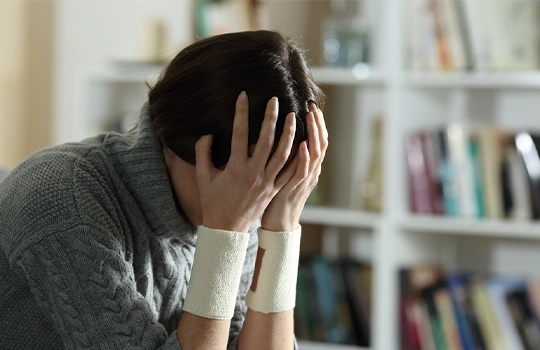
  • Unexplained cuts, bruises, or burns
  • Wearing long sleeves or pants, even in warm weather
  • Avoiding situations that require showing skin (e.g., swimming)
  • Isolation or withdrawal from loved ones
  • Intense mood swings, irritability, or numbness
  • Keeping sharp objects or tools hidden
  • Feelings of shame, guilt or secrecy after self-injury

Why Do People Self-Harm?

Understanding the why behind self-harm is the first step toward healing. It’s not attention-seeking — it’s emotion-regulating. 

Some common underlying causes include: 

  • Emotional Overwhelm: When pain feels unbearable and there are no tools to cope, physical pain can feel like a release. 
  • Trauma or Abuse: Past emotional, physical, or sexual trauma can lead to self-harm as a way to reclaim control. 
  • Depression and Anxiety: Intense sadness, inner emptiness or racing thoughts can lead to impulsive self-injury. 
  • Numbness or Dissociation: For some, self-harm helps them “feel something” when they’re emotionally disconnected. 

Low Self-Worth: Feelings of self-hate or guilt may manifest as punishment through physical harm. 

What most families feel before reaching out

Before contacting a rehab centre in Mumbai, families often think:

  • “Are we overreacting?”
  • “What if they refuse treatment?”
  • “Will rehab damage the relationship?”
  • “Is this really necessary right now?”

These thoughts are natural.

But here’s what we’ve seen repeatedly:

 The earlier the intervention, the smoother the recovery.

Diagnosis and Assessment at Veda Wellness

Our clinical team takes a non-judgmental and supportive approach to understanding each client’s experience with self-harm.

1. Psychological Evaluation

A thorough assessment of mental health history, current emotional triggers, and behavioral patterns is done through safe, private conversations.

2. Behavioral Observation

We assess how often the behavior occurs, what emotional states precede it, and what relief (if any) it brings. Sleep issues, eating patterns, and social withdrawal are also examined.

3. Risk Assessment

We distinguish between non-suicidal self-injury and suicidal ideation to provide the right level of intervention whether outpatient therapy or intensive care.

What happens when you contact Veda

We keep the process simple and respectful.

Step 1: A confidential conversation

No pressure. Just understanding your situation clearly.

Step 2: Assessment and guidance

We help determine whether rehab in Mumbai is the right step.

Step 3: Admission planning

We guide families through how to bring their loved one in, even if there is hesitation or resistance.

What your loved one’s recovery journey looks like

One of the biggest fears families have is uncertainty.

Here’s what actually happens inside a rehabilitation centre in Mumbai:

Day 1–3: Settling in

Medical and psychological assessments, orientation, emotional adjustment

Week 1: Detox and stabilization

Safe, medically supervised detox (if required), withdrawal support

Week 2–4: Core recovery

Therapy, emotional processing, identifying triggers, structured routine

Beyond: Preparing for life after treatment

Relapse prevention, coping tools, rebuilding relationships 

Our approach to self-harm treatment
How We Treat It

Healing from self-harm is possible but it takes time, trust, and the right support. At Veda, we offer a blend of evidence-based therapies and holistic practices tailored to each individual.

1. Psychotherapy
Our therapists use evidence-based approaches tailored to the root causes of self-harm:
  • Dialectical Behavior Therapy (DBT): Teaches emotional regulation, distress tolerance, and healthy coping skills. DBT is one of the most effective treatments for self-harm.
  • Cognitive Behavioral Therapy (CBT): Helps reframe the thoughts that fuel self-harm and builds healthier self-talk.
  • Trauma-Informed Therapy: For individuals with a history of abuse or PTSD, therapy gently processes past pain.
  • Family Therapy: Especially useful for adolescents and young adults. Helps families understand the behavior and support recovery without blame.
2. Safety Planning and Coping Skills
  • Developing personalized safety plans for crisis moments
  • Replacing self-harm with emotionally safe alternatives
  • Learning grounding techniques for when emotions become overwhelming
3. Medication (If Needed)
If self-harm is linked with conditions like depression, anxiety, or mood disorders, medication may be introduced as part of a broader care plan — always under medical supervision.

Duration of treatment : 3 Months

You Want To Know What A Day At Veda Looks Like?

This is a Sample of Daily Schedule at Veda

Trusted alcohol rehabilitation centre with experienced addiction specialists

7:00 – 8:00 AM

Morning beverage (Tea, coffee, or detox juice) + Physical activity (Yoga, pickleball, or gym workout)

Trusted alcohol rehabilitation centre with experienced addiction specialists

8:00 – 10:00 AM

Breakfast (flexible timing) + Shower and preparation for the day.

Trusted alcohol rehabilitation centre with experienced addiction specialists

10:30 AM

Morning gratitude or prayer practice

Trusted alcohol rehabilitation centre with experienced addiction specialists

11:00 AM

Therapy Session (Individual session with psychologist)

Trusted alcohol rehabilitation centre with experienced addiction specialists

12:30 PM

Therapeutic Assignments (Written assignments, psychoeducation, or reading).
Group Discussions 2 times a week

Trusted alcohol rehabilitation centre with experienced addiction specialists

1:30 PM

Lunch (flexible timing) + Afternoon Free Time (Approx 2 hours)

Trusted alcohol rehabilitation centre with experienced addiction specialists

3:30 PM

Creative & Healing Therapies (Art therapy, music therapy, or sound healing (approx. 1 hour)
Group Therapies

Trusted alcohol rehabilitation centre with experienced addiction specialists

5:00 PM

Group Activities (Group session or group activity for approx. 1 hour)

Trusted alcohol rehabilitation centre with experienced addiction specialists

6:30 PM

Evening Wellness (Sports, walk, meditation, or mindfulness session approx. 1–1.5 hours)

Trusted alcohol rehabilitation centre with experienced addiction specialists

8:00 – 10:00 PM

Dinner (flexible timing)

Trusted alcohol rehabilitation centre with experienced addiction specialists

10:00 PM

Bedtime

What Is The Cost Of The Treatment?

Includes Accommodation, Meals, Treatment,
All Common Wellness Practices, Etc.

Excludes any special prescribed medication, blood test work etc

What is the guarantee that this will work and he / she will be free from the addiction?

No one ethical can promise a permanent cure. Addiction is a chronic, relapsing brain condition, and relapse rates are like other chronic illnesses like asthma or hypertension. That is why guarantees are not medically honest. The good news is that treatment works, and your odds improve a lot when we combine therapy, medicine, wellness practices, time in care and a structured aftercare plan. 

That is the honest promise we make and we will walk that path with you. 

Our Rehab Centres

A private, luxury rehab environment in Mumbai

For many families, privacy is essential.

Veda offers a luxury rehab in Mumbai designed for:

  • Discreet, confidential care
  • Limited clients for personalized attention
  • A calm, non-institutional environment
  • Comfortable private suites and shared options

This helps clients feel safe, not restricted.

For families: You are part of the process

Recovery is stronger when families are involved.

We provide:

  • Regular updates and guidance
  • Family therapy sessions
  • Support on communication and boundaries

Because healing extends beyond the individual.

Real recovery stories

Case 1

Aanya, 16, began engaging in self-harm during a period of intense academic pressure and social isolation. What started as occasional cutting gradually became a coping habit whenever she felt overwhelmed. At Veda, therapy focused on emotional regulation, safe expression of distress and rebuilding her sense of self-worth. Over time, Aanya learned healthier coping strategies and rebuilt confidence. Today, she manages stress without harming herself and reports feeling far more emotionally stable.

Case 2

Karan, 24, had been struggling with self-harm for several years, often using it to deal with feelings of anger and emptiness after difficult relationship experiences. At Veda, he participated in structured psychotherapy, mindfulness practices and supportive group sessions. Gradually, he began understanding the emotional triggers behind his behavior and developed healthier ways to process difficult feelings. With consistent support, Karan was able to stop self-harm and build stronger emotional resilience.

A gentle but important truth

Most families wait longer than they should.

Not because they don’t care

But because they hope things will resolve on their own

And while sometimes they do,

early addiction treatment consistently leads to better outcomes.

Locations

New Delhi

Veda, 18A, Mother Teresa Dr, Dera Village, Fatehpur Beri, New Delhi, Delhi 110074

Mumbai

Veda, Thai Villa 10, Nature's View, Royal Palm, Royal Palms Estate, Aarey Colony, Goregaon, Maharashtra 400065

Bangalore

6, Veda, M.S Engineering, college Road, Opp. to Namma Swimming Pool, Navarathna Agrahara, Bengaluru, Karnataka 562157

If you’re unsure, start with a conversation

Self-harm may feel isolating, but you are not broken — you’re hurting. And hurt can heal.

At Veda Wellness, we offer a safe space, professional guidance, and deep compassion. Whether you’ve harmed yourself once or for years,
you deserve support, understanding and recovery.

You don’t need to make a decision immediately.

If you’re exploring a rehab centre in Mumbai, the first step is simply understanding your options.

Reach out for a confidential conversation.

Let’s walk with you through the pain — toward a future of safety, self-worth and hope.

We’ll help you assess your situation and guide you clearly.

Frequently Asked Questions

1. What is self-harm addiction and why does it happen?
Self-harm addiction refers to a repetitive pattern of intentionally hurting oneself (such as cutting, burning or scratching) to cope with overwhelming emotions. Many people use self-harm as a way to release emotional pain, numb difficult feelings or regain a sense of control. Professional therapy can help individuals develop safer coping strategies and address the underlying emotional causes.
Common signs include unexplained cuts or scars, wearing long sleeves even in warm weather, frequent injuries, spending long periods alone and sudden mood changes. Individuals struggling with self-harm may also withdraw socially or appear secretive about their body. Early recognition is important because timely treatment can significantly improve recovery outcomes.
Yes. Self-harm is often associated with mental health conditions such as depression, anxiety, trauma-related disorders, borderline personality disorder and emotional regulation difficulties. A comprehensive mental health assessment is important to identify these underlying issues and provide effective treatment.
Yes, self-harm behaviors can be treated with the right combination of therapies. Evidence-based treatments such as Cognitive Behavioral Therapy (CBT), Dialectical Behavior Therapy (DBT), trauma therapy and emotional regulation training have shown strong success in helping individuals stop self-harm and build healthier coping mechanisms.
Professional help should be sought as soon as self-harm behaviors appear or begin repeating. Early intervention by mental health professionals, specialized therapy programs and structured support systems can significantly reduce the risk of escalation and help individuals regain emotional stability and wellbeing.