Gaming Addiction Treatment – Reclaim Control Before It’s Game Over

  • Home
  • Gaming Addiction Treatment – Reclaim Control Before It’s Game Over

Gaming addiction clinically known as Internet Gaming Disorder (IGD), is a recognized mental health condition that affects millions worldwide. When the urge to play overrides work, relationships, sleep, and wellbeing, professional intervention is no longer optional. It is essential.

At Veda Rehabilitation and Wellness, India’s leading boutique luxury rehabilitation centre, our gaming addiction treatment programs combine clinical excellence with compassionate, whole-person care, so you or your loved one can move forward with purpose.

What Is Gaming Addiction?

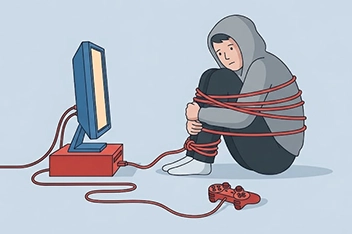
Gaming addiction is more than playing too many hours. It is a behavioral condition in which gaming takes priority over virtually every other life interest, even in the face of serious negative consequences. According to the World Health Organization (WHO), the disorder is characterized by impaired control, escalating priority given to gaming, and continuation or escalation of the behavior despite negative outcomes. 

Whether the trigger is online multiplayer games, mobile titles, or console experiences, the compulsion is real. And critically, it is treatable. 

Common Signs and Symptoms of Gaming Addiction

Recognizing gaming addiction early significantly improves recovery outcomes. Watch for these warning signs: 

  • Compulsive play: Loss of control, unable to stop or reduce gaming despite wanting to. 
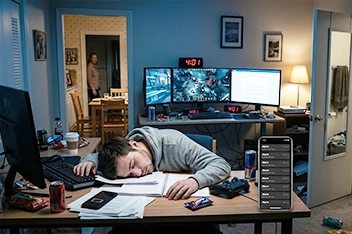
  • Neglected responsibilities: Neglect of school, work, hygiene, meals, or sleep routines. 
  • Withdrawal symptoms: Irritability, anxiety, or low mood when gaming is interrupted. 
  • Gaming despite consequences: Continuing to game despite damaged relationships, poor performance, or health issues. 
  • Dishonesty: Concealing the extent of gaming time from family or friends. 
  • Escapism: Using gaming as the primary way to cope with stress, loneliness, or emotional pain. 
  • Social withdrawal: Declining social activities or hobbies that were once enjoyable. 

If three or more of these signs are present for 12 months or longer, a formal assessment by a mental health professional is strongly recommended. 

Causes and Risk Factors: Why Gaming Becomes an Addiction

Gaming addiction rarely has a single cause. Understanding the underlying drivers is the foundation of effective treatment:

Physical Warning Signs

Anxiety, depression, ADHD, and social phobia frequently co-occur with gaming addiction, each reinforcing the other in a cycle that requires integrated clinical care.

Neurological Reward Mechanisms

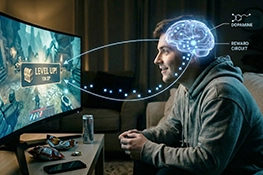
Modern games are engineered to trigger dopamine release, the same neurochemical pathway involved in substance addiction. Levels, achievements, loot boxes, and social rewards create a feedback loop that the brain struggles to disengage from.

Emotional Avoidance and Trauma

Gaming offers instant relief from loneliness, low self-esteem, stress, or unresolved trauma. Without healthier coping mechanisms, it becomes the default emotional regulation tool.

Lack of Boundaries and Social Belonging

Online gaming communities provide identity, achievement, and camaraderie that may be absent offline, particularly for adolescents and young adults. Inconsistent screen-time rules compound the risk.

How Is Gaming Addiction Diagnosed at Veda?

Accurate diagnosis is the gateway to personalised, effective treatment. Our multidisciplinary clinical team follows
a three-stage assessment process:
 

1. Comprehensive Psychological Assessment

In-depth clinical interviews evaluate gaming patterns, emotional triggers, cognitive functioning, social relationships, and daily life impact. We look beyond screen time to understand the whole person.

2. Behavioral and Functional Observation

Our team observes indicators such as sleep disruption, hygiene neglect, irritability, social withdrawal, and drops in academic or occupational performance.

3. Diagnostic Criteria (WHO ICD-11 / DSM-5)

A clinical diagnosis is confirmed when the individual has: lost control over gaming; prioritized gaming over other life activities; and continued gaming despite significant negative consequences, with this pattern sustained for 12 months or more.

Gaming Addiction Treatment at Veda Centre: A Holistic, Evidence-Based Approach

Our treatment model integrates clinical therapy, holistic wellness, and practical life-skills training, addressing both the addiction and its root causes simultaneously. 

Gaming Addiction Treatment Therapies at Veda

Evidence-Based Psychotherapy
  • Cognitive Behavioral Therapy (CBT): Identifies distorted thinking patterns and builds strategies to manage triggers, boredom, and emotional discomfort — the most strongly evidenced therapy for gaming addiction.
  • Behavioral Therapy: Reinforces impulse control, time management, and social skill rebuilding through structured positive reinforcement.
  • Motivational Enhancement Therapy (MET): Resolves internal ambivalence and builds genuine, lasting motivation to change.
  • Family Therapy: Restores communication, healthy boundaries, and trust within the household.
Holistic Healing Therapies
  • Mindfulness & Meditation: Daily practice reduces cravings, improves emotional regulation, and sharpens self-awareness.
  • Yoga & Breathwork: Restores physical health, addresses postural issues from prolonged sitting, and instills discipline.
  • Expressive & Healing Therapies: Music, art, sound healing, and Reiki support emotional expression and reduce stress.
  • Nutrition & Sleep Support: Nutritional guidance and sleep hygiene restoration correct the physical toll of addiction.
Lifestyle Realignment & Digital Detox
  • Digital Detox Programs: Gradual, structured reduction of screen time with guided reintroduction of real-world engagement.
  • Recreation Therapy: Physical activities, creative hobbies, and sports as sustainable alternatives to gaming.
  • Digital Literacy Coaching: Tools and frameworks for healthy, intentional relationships with technology — not avoidance.
Medical Support (Where Clinically Indicated)
There is currently no specific medication approved for gaming addiction. However, when co-occurring conditions such as depression, anxiety, or ADHD are present, our psychiatrists may prescribe appropriate medication to support overall recovery outcomes.

Levels of Care: From Outpatient Support to Residential Rehab

Level of Care Best For
Outpatient (OP) Individuals managing school or work commitments who need flexible, scheduled therapy sessions.
Intensive Outpatient (IOP) Those requiring structured support, group therapy, family counselling, and personalised plans — without inpatient admission.
Inpatient Rehabilitation Severe cases with significant functional impairment; provides an intensive, distraction-free residential environment. Duration: 3 months.
Aftercare & Relapse Prevention All clients post-discharge; weekly groups, counselling, emotional check-ins, and social skills workshops.

Relapse Prevention and Long-Term Aftercare

Recovery from gaming addiction doesn’t end at discharge. Long-term success requires ongoing structure and support. Our aftercare framework includes: 

  • Identifying personal high-risk triggers and building bespoke coping strategies. 
  • Family and stakeholder collaboration to strengthen the support environment at home. 
  • Regular follow-up counseling and outpatient therapy sessions. 
  • Life skills training to rebuild confidence and social competence. 
  • Peer support groups and community integration programs. 
  • Mindfulness workshops and continued emotional regulation coaching. 

Why Choose Veda Wellness for Gaming Addiction Treatment?

Veda Wellness is India’s only boutique luxury rehabilitation centre that limits residential treatment to just 8 in-patients at a time, guaranteeing genuinely personalised care, not a one-size-fits-all program. 

Feature Details
8 In-Patients Maximum Unmatched focus, privacy, and personalised attention
Science-Backed Treatment CBT, psychiatry, psychotherapy — clinically validated
Holistic Healing Yoga, meditation, art, music, Reiki, sound healing
Luxury Setting Organic meals, private or twin suites, peaceful environment
Family-Friendly Phone use permitted; regular family visits encouraged
Locations Mumbai · New Delhi · Bangalore

Recovery Outcomes: What Progress Looks Like

No ethical provider can guarantee a permanent cure, addiction is a chronic, relapsing brain condition with recovery rates comparable to other long-term conditions such as asthma or hypertension. What we can guarantee is a comprehensive, evidence-based program that maximises your odds of lasting recovery.

Clients who complete treatment at Veda Wellness typically experience: 

  • Significantly reduced or eliminated compulsive gaming behavior 
  • Improved emotional regulation and stress management skills 
  • Restored relationships with family and friends 
  • Better academic or professional performance 
  • A healthier relationship with technology and digital boundaries 

You Want To Know What A Day At Veda Looks Like?

This is a Sample of Daily Schedule at Veda

Trusted alcohol rehabilitation centre with experienced addiction specialists

7:00 – 8:00 AM

Morning beverage (Tea, coffee, or detox juice) + Physical activity (Yoga, pickleball, or gym workout)

Trusted alcohol rehabilitation centre with experienced addiction specialists

8:00 – 10:00 AM

Breakfast (flexible timing) + Shower and preparation for the day.

Trusted alcohol rehabilitation centre with experienced addiction specialists

10:30 AM

Morning prayer or gratitude practice

Trusted alcohol rehabilitation centre with experienced addiction specialists

11:00 AM

Therapy Session (Individual session with psychologist)

Trusted alcohol rehabilitation centre with experienced addiction specialists

12:30 PM

Therapeutic Assignments (Written assignments, psychoeducation, or reading).

Trusted alcohol rehabilitation centre with experienced addiction specialists

1:30 PM

Lunch (flexible timing) + Afternoon Free Time (Approx 2 hours)

Trusted alcohol rehabilitation centre with experienced addiction specialists

3:30 PM

Creative & Healing Therapies (Art therapy, music therapy, or sound healing (approx. 1 hour)

Trusted alcohol rehabilitation centre with experienced addiction specialists

5:00 PM

Group Activities (Group session or group activity for approx. 1 hour)

Trusted alcohol rehabilitation centre with experienced addiction specialists

6:30 PM

Evening Wellness (Sports, walk, meditation, or mindfulness session approx. 1–1.5 hours)

Trusted alcohol rehabilitation centre with experienced addiction specialists

8:00 – 10:00 PM

Dinner (flexible timing)

Trusted alcohol rehabilitation centre with experienced addiction specialists

10:00 PM

Bedtime

What Is The Cost Of The Treatment?

Take the First Step Toward Recovery

Gaming addiction can feel all-consuming, but it is not permanent. With the right clinical support, therapeutic environment, and aftercare framework, recovery is entirely achievable. 

At Veda Wellness, we’ve helped clients move from screen-dependent to screen-aware, from isolated to reconnected, and from purposeless to purposeful. You are not alone, and you don’t have to figure this out by yourself.

Contact Veda Wellness for a Confidential Consultation

Locations

New Delhi

Veda, 18A, Mother Teresa Dr, Dera Village, Fatehpur Beri, New Delhi, Delhi 110074

Mumbai

Veda, Thai Villa 10, Nature's View, Royal Palm, Royal Palms Estate, Aarey Colony, Goregaon, Maharashtra 400065

Bangalore

6, Veda, M.S Engineering, college Road, Opp. to Namma Swimming Pool, Navarathna Agrahara, Bengaluru, Karnataka 562157

FAQs About Gaming Addiction Treatment

1. What is gaming addiction and is it a real medical condition?

Yes. Gaming addiction formally known as Internet Gaming Disorder, is recognized by the World Health Organization in the ICD-11 and referenced in the DSM-5. It is a behavioral condition characterized by impaired control over gaming, prioritization of gaming above other activities, and continuation of the behavior despite harmful consequences.

Key warning signs include: spending increasingly long hours gaming; neglecting work, school, or self-care; feeling irritable or anxious when unable to play; lying about gaming habits; declining social activities; and using gaming as the primary way to manage emotions or stress. 

Yes. Prolonged gaming is associated with disrupted sleep cycles, poor nutrition, eye strain, tension headaches, back and neck problems from poor posture, and reduced physical activityall of which compound the mental health impact of the addiction. 

The standard treatment duration at Veda Wellness is 3 months for inpatient care. The exact duration depends on the severity of the addiction, the presence of co-occurring conditions, and individual progress. Aftercare and follow-up support continue beyond discharge.

Seek help when gaming noticeably impairs work, education, relationships, or mental health or when the individual has tried and failed to reduce their gaming on their own. Early intervention leads to significantly better outcomes. If in doubt, reach out for a confidential assessment.