Impulse Control Disorder Treatment in Mumbai

  • Home
  • Impulse Control Disorder Treatment in Mumbai

A supportive approach to Impulse control disorder treatment

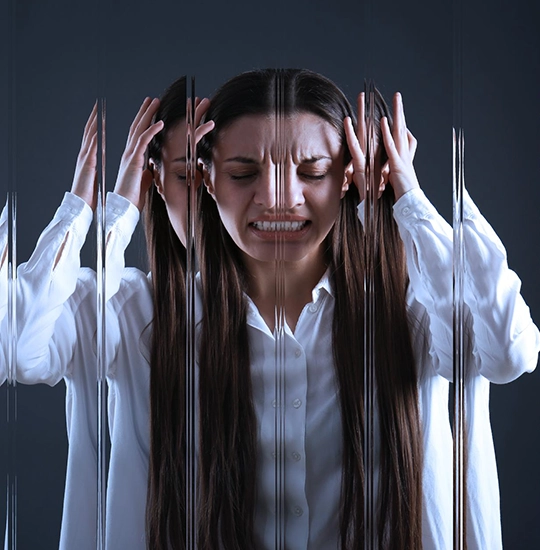
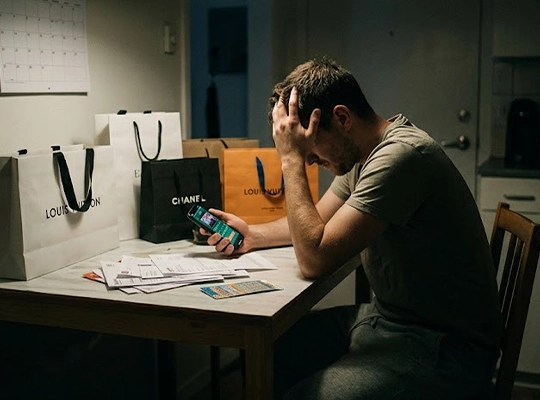
People living with Impulse control disorder may experience Recurrent failure to resist impulses, resulting in repetitive and harmful behaviors. These experiences can make everyday life feel overwhelming and emotionally exhausting.

At Veda Rehab and Wellness, we understand the challenges individuals face when struggling with Impulse Control Disorder (ICD). Our dedicated team is here to provide compassionate care and evidence-based treatments to help you regain control over your impulses and lead a fulfilling life.

If you are looking for help, it may mean you or someone close to you is ready to take the next step toward healing. With the right guidance and support, many people learn healthier ways to cope, rebuild relationships and create a more stable and balanced life.

We offer comprehensive treatment for individuals struggling with Impulse Control Disorder (ICD). Our holistic approach integrates evidence-based therapies, supportive interventions, and personalized treatment plans to address the underlying causes and symptoms of ICD.

Impulse Control Disorder (ICD) is a mental health condition characterized by the inability to resist urges, impulses, or temptations that may harm oneself or others. Individuals with ICD often struggle with impulsivity in various areas of life, such as spending, gambling, substance abuse, binge eating, or aggressive outbursts. While the exact cause of ICD is not fully understood, factors such as genetics, brain chemistry, and environmental influences may play a role in its development.

Symptoms of Impulse Control Disorder

  • Recurrent failure to resist impulses, resulting in repetitive and harmful behaviors
  • Increasing tension or anxiety before acting on an impulse
  • Pleasure, relief, or gratification while engaging in impulsive behaviors
  • Feelings of guilt, remorse, or shame after acting on impulses
  • Impaired social, occupational, or interpersonal functioning due to impulsive behaviors
  • Legal, financial, or relationship problems resulting from impulsive actions

Causes of Impulse Control Disorder

The causes of Impulse Control Disorder are complex and may involve a combination of genetic, biological, psychological, and environmental factors. These may include:

  • Genetic predisposition: Individuals with a family history of impulse control disorders and mental health disorders may be at higher risk for developing the condition.

  • Neurobiological factors: Differences in brain structure and function, particularly in areas related to impulse control and reward processing, may contribute to the development of ICD.

  • Psychological factors: Trauma, stress or unresolved emotional issues may increase vulnerability to impulse control disorders.

  • Environmental factors: Exposure to certain environmental triggers, such as substance abuse, trauma or dysfunctional family dynamics may contribute to the onset or exacerbation of ICD.

Our Care Plan for Impulse Control Disorder Treatment:

Psychotherapy

Our experienced therapists utilize proven therapeutic modalities such as Cognitive Behavioral Therapy (CBT) and Dialectical Behavior Therapy (DBT) to help you understand and manage your impulses. Through individual and group sessions, you'll learn practical strategies to challenge negative thought patterns and develop healthier coping mechanisms.

Medication Management

Our board-certified consulting psychiatrists work closely with you to determine if medication is appropriate for managing your symptoms. We may prescribe medications such as Selective Serotonin Reuptake Inhibitors (SSRIs) or mood stabilizers to help regulate mood and reduce impulsivity, ensuring a comprehensive approach to your treatment

Supportive Therapies

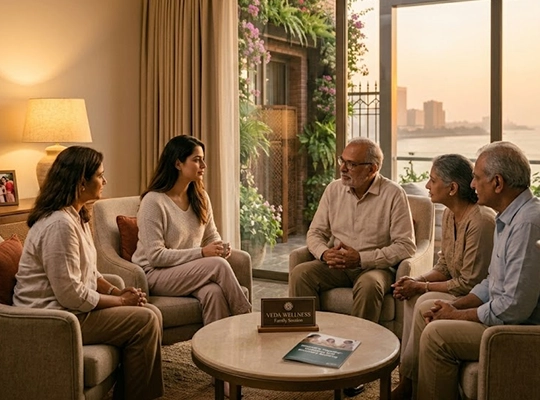
In addition to individual therapy, we offer group therapy and family therapy sessions to provide a supportive environment where you can share experiences, receive feedback, and learn from others facing similar challenges. Family involvement is encouraged to improve communication and strengthen your support network.

Skill-Building and Education

Relapse prevention planning is an essential component of our codependency treatment programs. Clients work collaboratively with their treatment team to identify triggers, develop coping strategies, and establish a support network to maintain progress and prevent relapse in the long term.

Holistic Approaches

We believe in treating the whole person, which is why we offer holistic approaches such as mindfulness practices and recreational therapy. Engaging in activities like meditation, yoga, or art therapy can promote relaxation, increase self-awareness, and provide healthy outlets for self-expression.

Relapse Prevention Planning

Our team will work with you to develop a personalized relapse prevention plan, equipping you with the tools and strategies needed to identify triggers, manage cravings, and prevent relapse into impulsive behaviors. We'll also help you establish a strong support network and connect you with community resources for ongoing support.

Continued Care and Follow-Up

Your journey with us doesn't end when you leave our facility. We offer comprehensive aftercare services, including outpatient therapy, support groups, and regular follow-up appointments to ensure you continue to receive the support and guidance you need to maintain your progress and thrive.

How Veda Treats Impulse Control disorder
Treatment Phases

At Veda Rehabilitation and Wellness, we offer a holistic and individualized approach to treating Impulse Control Disorder (ICD), focusing on helping individuals gain better control over their impulses and improve their overall quality of life. Our multidisciplinary team of professionals, including psychiatrists, psychologists, and therapists, collaborates to provide a comprehensive treatment plan tailored to each client’s unique needs.

Trusted alcohol rehabilitation centre with experienced addiction specialists

Comprehensive Assessment and Personalized Treatment Plan

Our process begins with a thorough assessment to understand the specific nature and severity of the impulse control issues, the individual’s personal and medical history, and any co-occurring mental health conditions. This detailed evaluation is crucial in developing a personalized treatment plan that addresses the root causes and symptoms of ICD.

Trusted alcohol rehabilitation centre with experienced addiction specialists

Evidence-Based Therapeutic Approaches

We employ a variety of evidence-based therapies to help clients manage their impulses effectively:

  • Cognitive Behavioral Therapy(CBT) : This therapy is instrumental in helping clients recognize and change negative thought patterns and behaviors. CBT provides strategies for managing triggers and developing healthier responses.
  • Dialectical Behavior Therapy (DBT): DBT combines cognitive-behavioral techniques with mindfulness practices to help clients regulate their emotions, tolerate distress, and improve interpersonal relationships.
  • Motivational Interviewing (MI): MI helps clients resolve ambivalence about change and encourages them to commit to the treatment process by exploring their motivations and goals.

  • Trusted alcohol rehabilitation centre with experienced addiction specialists

    Skills Training and Behavioural Interventions

    To equip clients with practical tools to manage their impulses, we offer:

  • Impulse Control Training: Techniques to help clients delay gratification and develop better self-control.
  • Stress Management and Relaxation Techniques: Methods such as deep breathing exercises, meditation, and progressive muscle relaxation to reduce overall stress and improve emotional regulation.
  • Social Skills Training: This helps clients improve their interpersonal skills, which can reduce impulsive behaviours related to social interactions.

  • Trusted alcohol rehabilitation centre with experienced addiction specialists

    Pharmacotherapy

    For some individuals, medication may be a beneficial component of their treatment plan. Our psychiatrists carefully evaluate and prescribe medications that can help manage symptoms of ICD, such as mood stabilizers, antidepressants, or antipsychotics, depending on the specific needs of the client.

      Integrative Wellness Therapies
        We believe in a holistic approach to treatment, incorporating wellness therapies that support mental and physical health:
    • Mindfulness and Meditation: Practices that help clients develop greater awareness and control over their thoughts and impulses.
    • Yoga and Physical Exercise: Activities that promote physical health, reduce stress, and improve emotional well-being.
    • Nutritional Counseling: Personalized plans to support overall health and well-being through proper nutrition.
    • Music Therapy: Engaging in music therapy helps clients express emotions, reduce stress, and improve mood through the therapeutic use of music.
    • Art Therapy: This creative process allows clients to explore and express their thoughts and feelings in a non-verbal way, aiding in emotional healing and self-discovery.
    • Sound Healing Therapy: Utilizing sound frequencies and vibrations, this therapy promotes relaxation, reduces stress, and balances energy within the body.
    • Reiki: A form of energy healing, Reiki involves the transfer of energy through the hands of the practitioner to the client, aiming to balance the body’s energy and promote natural healing processes.

    Trusted alcohol rehabilitation centre with experienced addiction specialists

    Supportive Environment and Aftercare

    Our treatment environment is designed to be safe, supportive, and conducive to healing. Post-treatment, we offer robust aftercare programs to ensure ongoing support and prevent relapse. This includes continued therapy sessions, support groups, and access to resources that help clients maintain their progress and develop long-term coping strategies.

    Trusted alcohol rehabilitation centre with experienced addiction specialists

    Continuous Monitoring and Adjustment

    We continuously monitor each client’s progress and make necessary adjustments to their treatment plan to ensure its effectiveness. This dynamic approach ensures that our therapies remain responsive to the evolving needs of our clients.

    Why families sometimes delay getting help

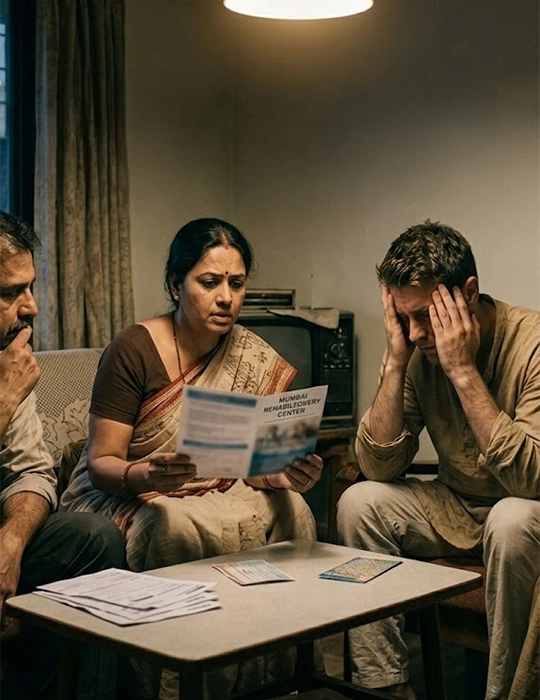
    For many families, reaching out to a rehabilitation centre in Mumbai is rarely a quick or simple decision. It usually comes after months or even years of concern, confusion and many emotional conversations within the family.

    During this time, families often find themselves wondering:

    • “Maybe this is just a phase that will pass.”
    • “What if they refuse help or feel hurt by the suggestion?”
    • “Will seeking treatment push them further away from us?”
    • “Is it too early to involve professionals

    These doubts are extremely common and most families experience them at some point.

    At the same time, delaying support can sometimes allow problems to deepen. When professional help is sought earlier, it often becomes easier to understand the situation clearly and begin the process of recovery in a more supportive and structured way.

    Facilities like Veda Rehabilitation and Wellness provide professional guidance, therapy and a safe environment that can help individuals and families navigate the path toward healing, stability and renewed well-being.

    What happens when you contact Veda

     We keep the process simple and respectful.

    Step 1: A confidential conversation

    No pressure. Just understanding your situation clearly.

    Step 2: Assessment and guidance

    We help determine whether rehab in Mumbai is the right step.

    Step 3: Admission planning

    We guide families through how to bring their loved one in, even if there is hesitation or resistance.

    What your loved one’s recovery journey looks like

    One of the biggest fears families have is uncertainty.

    Here’s what actually happens inside a rehabilitation centre in Mumbai:

    Day 1–3: Settling in

    Medical and psychological assessments, orientation, emotional adjustment

    Week 1: Detox and stabilization

    Week 2–4: Core recovery

    Therapy, emotional processing, identifying triggers, structured routine

    Beyond: Preparing for life after treatment

    Relapse prevention, coping tools, rebuilding relationships

    Duration of treatment : 3 Months

    You Want To Know What A Day At Veda Looks Like?

    This is a Sample of Daily Schedule at Veda

    Trusted alcohol rehabilitation centre with experienced addiction specialists

    7:00 – 8:00 AM

    Morning beverage (Tea, coffee, or detox juice) + Physical activity (Yoga, pickleball, or gym workout)

    Trusted alcohol rehabilitation centre with experienced addiction specialists

    8:00 – 10:00 AM

    Breakfast (flexible timing) + Shower and preparation for the day.

    Trusted alcohol rehabilitation centre with experienced addiction specialists

    10:30 AM

    Morning gratitude or prayer practice

    Trusted alcohol rehabilitation centre with experienced addiction specialists

    11:00 AM

    Therapy Session (Individual session with psychologist)

    Trusted alcohol rehabilitation centre with experienced addiction specialists

    12:30 PM

    Therapeutic Assignments (Written assignments, psychoeducation, or reading).
    Group Discussions 2 times a week

    Trusted alcohol rehabilitation centre with experienced addiction specialists

    1:30 PM

    Lunch (flexible timing) + Afternoon Free Time (Approx 2 hours)

    Trusted alcohol rehabilitation centre with experienced addiction specialists

    3:30 PM

    Creative & Healing Therapies (Art therapy, music therapy, or sound healing (approx. 1 hour)
    Group Therapies

    Trusted alcohol rehabilitation centre with experienced addiction specialists

    5:00 PM

    Group Activities (Group session or group activity for approx. 1 hour)

    Trusted alcohol rehabilitation centre with experienced addiction specialists

    6:30 PM

    Evening Wellness (Sports, walk, meditation, or mindfulness session approx. 1–1.5 hours)

    Trusted alcohol rehabilitation centre with experienced addiction specialists

    8:00 – 10:00 PM

    Dinner (flexible timing)

    Trusted alcohol rehabilitation centre with experienced addiction specialists

    10:00 PM

    Bedtime

    What Is The Cost Of The Treatment?

    Includes Accommodation, Meals, Treatment,
    All Common Wellness Practices, Etc.

    Excludes any special prescribed medication, blood test work etc

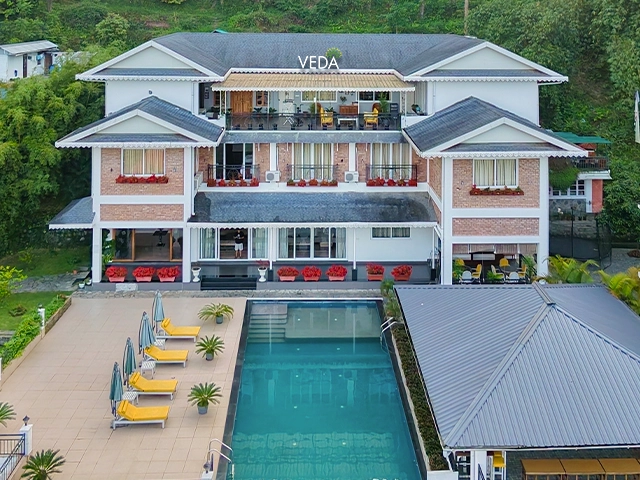
    A private, luxury rehab environment in Mumbai

    For many families, privacy is essential.

    Veda offers a luxury rehab in Mumbai designed for:

    • Discreet, confidential care
    • Limited clients for personalized attention
    • A calm, non-institutional environment
    • Comfortable private suites and shared options

    This helps clients feel safe, not restricted.

    For families: You are part of the process

    Recovery is stronger when families are involved.

    We provide:

    • Regular updates and guidance
    • Family therapy sessions
    • Support on communication and boundaries

    Because healing extends beyond the individual.

    Real success stories from Veda

    Case Study: Overcoming Impulse Control Disorder at Veda Rehabilitation & Wellness

    Rohan (name changed), a 24-year-old marketing executive, began struggling with sudden and uncontrollable urges that affected his work, finances and relationships. He often made impulsive decisions such as excessive spending and risky behavior, followed by intense guilt and frustration. Over time, these patterns started interfering with his career and personal life.

    Concerned about the growing impact, his family encouraged him to seek professional help at Veda Rehabilitation & Wellness. After a comprehensive psychological assessment, the clinical team identified symptoms consistent with Impulse Control Disorder.

    At Veda, Rohan underwent a structured treatment plan that included cognitive behavioral therapy (CBT), emotional regulation training, mindfulness practices and lifestyle interventions like guided fitness and nutrition support. Therapy focused on helping him recognize triggers, pause before acting on impulses and build healthier coping mechanisms.

    Within a few months, Rohan began noticing significant improvements. His impulsive urges became manageable, his decision-making improved and he regained confidence in both his professional and personal life.

    Today, Rohan continues to maintain his progress using the skills he learned during treatment. His journey reflects how the right combination of professional therapy, structured support and holistic care at Veda can help individuals regain control and rebuild a balanced life.

    An important reality

    Many families postpone seeking professional help, not because they are indifferent but because they genuinely hope that things might resolve with time and patience.

    Occasionally, situations do improve on their own. However, in many cases, getting professional guidance earlier can make the path to recovery clearer and more sustainable. Early support can help individuals understand their challenges better and begin building healthier coping strategies.

    Centres like Veda Rehabilitation and Wellness provide structured care, experienced professionals and a supportive environment that can guide individuals and families toward stability and long-term healing before the situation becomes more difficult to manage.
    Locations

    New Delhi

    Veda, 18A, Mother Teresa Dr, Dera Village, Fatehpur Beri, New Delhi, Delhi 110074

    Mumbai

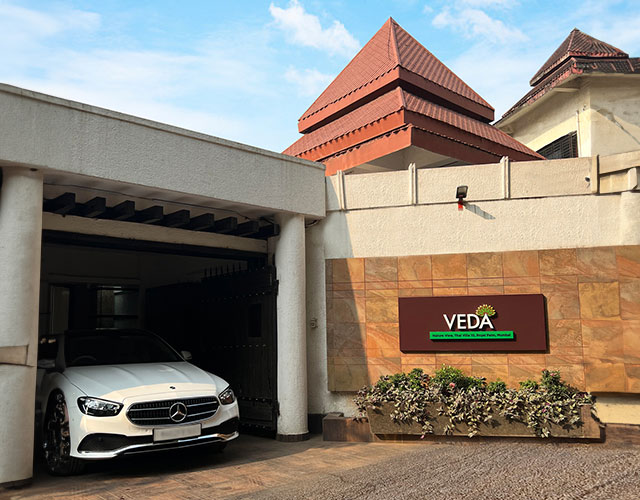
    Veda, Thai Villa 10, Nature's View, Royal Palm, Royal Palms Estate, Aarey Colony, Goregaon, Maharashtra 400065

    Bangalore

    6, Veda, M.S Engineering, college Road, Opp. to Namma Swimming Pool, Navarathna Agrahara, Bengaluru, Karnataka 562157

    Begin the Journey Today

    At Veda Rehabilitation and Wellness, our goal is to empower individuals with Impulse Control Disorder to achieve lasting control over their impulses and lead fulfilling, balanced lives through compassionate, comprehensive and individualized care.

    Our team works closely with each person to create a treatment plan that focuses on emotional stability, stronger relationships and rebuilding confidence step by step.

    If you would like to learn more about our impulse control disorder treatment programs, reach out for a confidential conversation. With the right care, guidance and support, recovery and a more balanced life are possible.

    Frequently Asked Questions About impulse control disorder Treatment

    What Is Impulse Control Disorder (ICD)?

    Impulse Control Disorder (ICD) is a mental health condition characterized by the inability to resist urges, impulses, or temptations that may harm oneself or others. Individuals with ICD often struggle with impulsivity in various areas of life, such as spending, gambling, substance abuse, binge eating, or aggressive outbursts.

    The most effective treatments for impulse control disorders at Veda Rehabilitation and Wellness include:

    • Cognitive-Behavioral Therapy (CBT): Helps individuals identify and change negative thought patterns and behaviors.
    • Dialectical Behavioral Therapy (DBT): Focuses on emotional regulation and mindfulness.
    • Medications: Such as selective serotonin reuptake inhibitors (SSRIs) and mood stabilizers to manage symptoms.
    • Holistic Approaches: Incorporates yoga, meditation, and art therapy to support overall well-being.
    • Lifestyle Changes: Emphasizes the importance of exercise, a balanced diet, and adequate sleep.

    Common medications prescribed for impulse control disorders include:

    • Selective serotonin reuptake inhibitors (SSRIs): Such as fluoxetine (Prozac) and sertraline (Zoloft).
    • Mood stabilizers: Such as lithium and valproate.
    • Antipsychotics: Such as risperidone (Risperdal) and aripiprazole (Abilify).
    • Stimulants: Such as methylphenidate (Ritalin) for co-occurring ADHD.
    • Anti-anxiety medications: Such as clonazepam (Klonopin).
      These medications help manage symptoms and improve overall treatment outcomes. For personalized treatment, contact Veda Rehabilitation and Wellness, our consulting health professionals will help you.

    Treatment for impulse control disorders in children often involves behavioral therapy, parental training, and educational support, whereas adults may receive a combination of psychotherapy (such as CBT), medication, and lifestyle modifications. Children benefit from family involvement to ensure consistent support, while adults focus more on individual therapy and medication management.

    Common side effects of medications for impulse control disorders include:

    SSRIs: Nausea, insomnia, sexual dysfunction.
    Mood stabilizers: Weight gain, tremors.
    Antipsychotics: Drowsiness, dizziness, weight gain.
    Stimulants: Insomnia, increased heart rate.
    It’s important to discuss potential side effects with a healthcare provider to manage them effectively.

    Mindfulness helps individuals with impulse control disorders by:

    Enhancing self-awareness: Recognizing triggers and impulsive behaviors.
    Reducing stress: Promoting relaxation and emotional regulation.
    Improving focus: Aiding in better decision-making.

    At Veda Rehabilitation and Wellness, mindfulness practices such as meditation and deep-breathing exercises are integrated into treatment plans.

    Group therapy offers numerous benefits, including:

    Peer support: Sharing experiences with others facing similar challenges.
    Learning opportunities: Gaining new coping strategies.
    Reduced isolation: Feeling understood and connected.
    Motivation: Encouraging adherence to treatment plans.

    Veda Rehabilitation and Wellness provides group therapy sessions to foster a supportive community.

    The best medicines for impulse control disorders vary based on individual needs and symptoms. Medications may include those that help stabilize mood, reduce impulsivity, and address co-occurring conditions such as anxiety or depression. It’s important to have a thorough assessment by a healthcare professional to determine the most effective medication plan. At Veda Rehabilitation and Wellness, we tailor medication plans to each individual’s unique situation, ensuring comprehensive and personalized care.

    Psychoanalytic therapy helps uncover underlying unconscious conflicts contributing to impulse control disorders. By exploring past experiences and emotional traumas, individuals can gain insights and develop healthier coping mechanisms. This therapy complements other treatments at Veda Rehabilitation and Wellness, providing a comprehensive approach to managing impulse control disorders.

    At Veda Rehabilitation and Wellness Centre, we offer comprehensive treatment options for Impulse Control Disorder (ICD), including evidence-based therapies, medication management, and holistic approaches. Our programs are tailored to address the underlying issues associated with ICD and provide individuals with the tools and support they need to manage impulsivity and improve their quality of life. Our experienced clinicians specialize in therapeutic modalities such as Cognitive Behavioral Therapy (CBT) and Dialectical Behavior Therapy (DBT), which are effective in addressing the underlying issues contributing to impulsivity. Additionally, medication management may be utilized to manage symptoms and stabilize mood.