Body dysmorphic disorder Treatment in Mumbai

  • Home
  • Body dysmorphic disorder Treatment in Mumbai

A supportive approach to treatment for body dysmorphic disorder

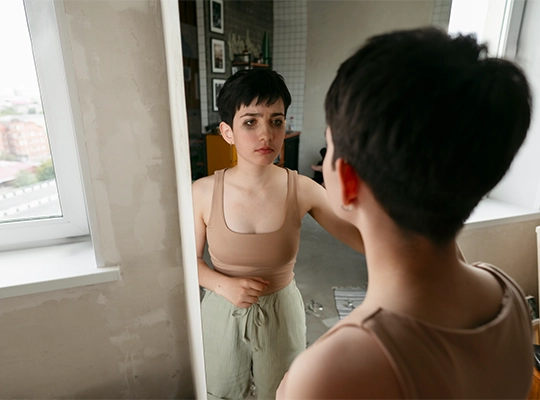
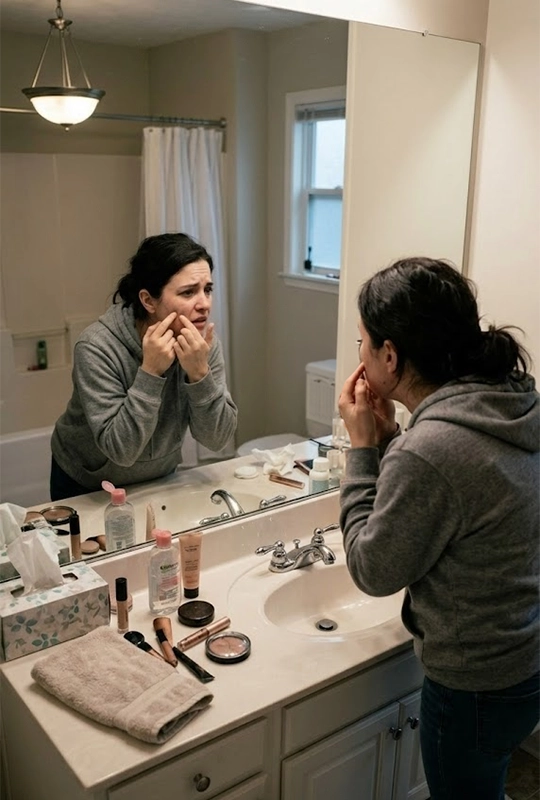
People suffering from BDD often become fixated on specific body parts, such as the nose, skin, hairline, chest, or other areas they feel are flawed and feel dissatisfied. This obsessive focus can lead to low self-esteem, chronic stress, social withdrawal, and difficulty maintaining normal routines, as the condition takes a toll on both emotional and psychological well-being.

At Veda, we provide compassionate and structured care for those seeking body dysmorphic disorder treatment in Mumbai.

Body Dysmorphic Disorder (BDD) can deeply affect an individual’s self-confidence, but with the right support and treatment, recovery is absolutely possible for a patient. In some severe cases, BDD can lead to suicidal thoughts, which is why early intervention is crucial and should be taken very seriously. Emotional distress and social withdrawal are common, so it’s important for family and friends to offer kindness, patience and encouragement to help the person feel supported and not alone.

If you are looking for help, it may mean you or someone close to you is ready to take the next step toward healing. With the right guidance and support, many people learn healthier ways to cope, rebuild relationships and create a more stable and balanced life.

Body Dysmorphic Disorder (BDD) is a mental health condition in which a patient is obsessed and fixated upon perceived non-existent or minor flaws in physical appearance. These flaws are entirely unnoticeable to others. Despite their insignificance, these perceived imperfections can disrupt a person’s self-esteem and daily life, relationships and emotional well-being. The good news is that BDD is a curable condition with the right medical support, therapies and understanding from loved ones.

What is Body Dysmorphic Disorder?

Body Dysmorphic Disorder (BDD) is a psychological disorder characterised by an obsessive focus on supposed flaws in one’s appearance that are either minor or non-existent. Despite their insignificance, a patient suffering from BDD who is preoccupied with these flaws experience intense distress and cannot function properly in daily life.

Types of Body Dysmorphic Disorder

A person can feel underconfident about any body part in general, therefore, body dysmorphic disorder can manifest in multiple ways. While some individuals may experience a generalized dissatisfaction with their appearance, others may exhibit more specific subtypes of BDD. Two notable subtypes include:

Muscle Dysmorphia

A patient suffering from muscle dysmorphia might feel that his or her body is not muscular or big enough even when it may be well-developed by normal standards.

This condition is sometimes referred to as “reverse anorexia” or “bigorexia.”

Individuals with this disorder may:

  • Follow extremely strict diet and workout regimens
  • Consume excessive calories or supplements in an effort to bulk up
  • Spend abnormal amounts of time exercising
  • Wear oversized or baggy clothing to appear more muscular
This subtype primarily affects men but can impact anyone and may lead to serious emotional and physical health issues.

Proxy Body Dysmorphia

A patient suffering from body dysmorphic disorder becomes obsessed with someone else’s appearance such as a partner, friend, or family member.

This obsessive concern can cause significant distress and dysfunction in relationships. Individuals may:

  • Constantly compare the other person’s appearance to unrealistic standards
  • Engage in repetitive behaviors or rituals to reduce their anxiety
  • Experience guilt or fear related to the perceived flaws in the other person
Though less common, this form of BDD can be particularly challenging and often requires professional intervention.

What Causes Body Dysmorphic Disorder?

Causes and Contributing factors of Body Dysmorphic Disorder (BDD)

Body Dysmorphic Disorder does not have a single, definitive cause. Instead, it typically arises from a combination of psychological, environmental and genetic factors that influence how individuals perceive themselves. Mental health experts have identified certain factors that influence a person’s self-perception:

Traumatic Events

Exposure to traumatic events during childhood-such as severe bullying, physical abuse or excessive verbal criticism can contribute to body dysmorphic disorder. Such events can impact a person’s self-confidence and distort their self-image. These experiences often leave emotional scars and create a distorted perception of how an individual views his own body laying the groundwork for conditions like BDD.

Low Self-Esteem

Individuals with low self-esteem are more likely to engage in negative self-comparisons, leading to persistent dissatisfaction that can intensify over time. This vulnerability may increase the risk of developing mental health conditions such as body dysmorphic disorder, often resulting in an unhealthy preoccupation with perceived physical flaws.

Genetic

Research suggests that BDD may run in families. A person is more prone to BDD if his close family member has experienced the disorder or another related mental health condition (like anxiety or obsessive-compulsive disorder). The likelihood of developing BDD may increase in that case due to both inherited traits and shared environments.

Cultural Factors

Certain cultures consider a particular body type, physical features and complexion better than others. When individuals feel they don’t meet these standards, they may experience heightened dissatisfaction with their appearance. Traits like darker skin tones, baldness, or higher body weight are frequently stigmatized, leading to feelings of inadequacy and negative body image.

What are the Common Symptoms of Body Dysmorphic Disorder ?

Excessive preoccupation with a conceived flaw can cause distress. Here are the most common body dysmorphic disorder symptoms and signs noticed among patients:

  • A person becomes overly worried about a flaw in their looks that others don’t even notice.
  • They believe everyone is talking about this flaw and think it stands out the most.
  • They keep thinking about how to fix it, and in serious cases, may even undergo surgical procedures.
  • Because they feel self-conscious, they often avoid social events and lose confidence.
  • Common areas people focus on include their hairline, skin tone, private parts, chest size, breast size and muscle toning.

Diagnosis of Body Dysmorphic Disorder

The first step of body dysmorphic disorder treatment is diagnosis, which includes conversing with the patient. Here are a few factors considered before a body dysmorphic disorder treatment process starts:

Mood Check-Up

The severity of the mental ailment is understood so that medication and therapy can be recommended accordingly.

Physical Health Check-Up

A patient’s medical history is analysed before a treatment is framed. The patient’s age, gender, and overall circumstances are asked about in this interview session.

Mental Health Check-Up

Patient’s preference for the treatment is considered once he or she is briefed. For instance, if a person has developed BDD because of a traumatic event in the past, the therapist will suggest therapy tailored around that particular experience.

Body dysmorphic disorder treatment is an extensive procedure that begins with getting a proper diagnosis, which starts with open conversations with the patient.

Mood Assessment

This helps understand how serious the condition is, so doctors can decide if therapy, medication, or both are needed.

Physical Health Review

The patient’s overall health, age, gender and medical history are checked to create a treatment plan that fits their needs.

Mental Health Evaluation

Once the patient understands the condition, their treatment preferences are considered. For example, if BDD developed due to a past trauma, therapy will be tailored to address that specific experience.

Before beginning treatment, professionals look at a few key areas and various therapies are recommended to treat the condition, such as:

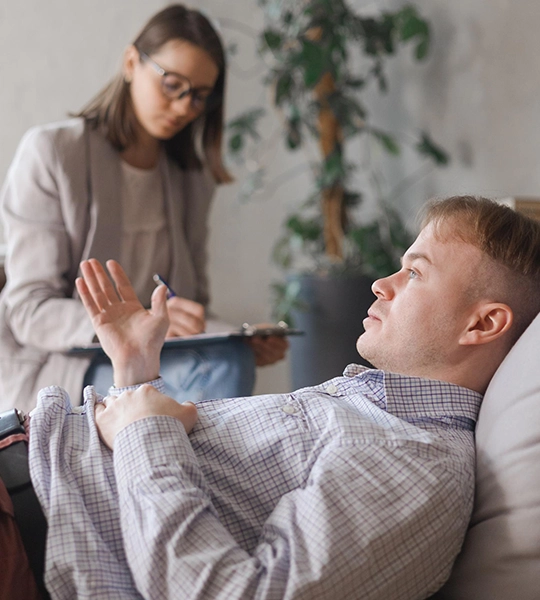
Talk Therapy

This includes various therapeutic methods that help the patient open up and heal. Two key types are:

Psychodynamic Therapy

Focuses on identifying the root causes of BDD. Through this, a therapist explores a patient’s past to learn about his or her traumatic experiences.

Interpersonal Therapy

focuses on improving strained social relationships. Since BDD often affects a person’s confidence and ability to connect with others socially, this therapy addresses social triggers that contribute to the patient’s preoccupation with appearance.

Cognitive Behavioral Therapy (CBT): A widely used and effective approach that includes:

Cognitive Restructuring

Helps patients identify and challenge negative, distorted thoughts about their appearance. These thoughts are then replaced with more positive, realistic ones.

Exposure and Response Prevention (ERP)

It is another technique through which a patient is gradually exposed to triggers that causes them anxiety while helping them resist the urge to perform compulsive behaviors.

Medication Therapy

In some cases, medication (such as antidepressants) may be used along with psychotherapy. This is done under the supervision of a qualified psychiatrist and only when recommended by him

Common myths and facts about Body Dysmorphic Disorder (BDD)

Myth 1: BDD is just another type of eating disorder.
Fact: Body Dysmorphic Disorder is a psychiatric problem focused on perceived physical flaws and not directly related to eating habits.

Myth 2: BDD only affects people who are vain.
Fact: Body Dysmorphic Disorder stems from low self-esteem and not vanity. People with BDD often feel insecure, anxious and under-confident.

Myth 3: People grow out of BDD as they get older.
Fact: Anybody suffering from BDD needs to see a mental health expert immediately, as the condition can worsen with age, leading to other problems such as severe anxiety, depression, or social isolation.

Myth 4: Cosmetic procedures can cure BDD.
Fact: Surgery doesn’t fix the root cause of BDD. Even after cosmetic changes, individuals often remain unhappy. Only therapy can instil the lost self-confidence in the person so that he or she feels complete and normal.

Myth 5: Body Dysmorphic Disorder mostly affects women.
Fact: No. BDD can affect anyone, regardless of gender. Men are as vulnerable (particularly to subtypes like muscle dysmorphia) as women because anyone can be afflicted with a psychological problem at any age.

How to Support Someone with Body Dysmorphic Disorder (BDD)?

If you know someone who is suffering from BDD, here are a few ways to show support for the person to feel better:

  • Ensure medication is taken regularly. BDD Medication is an important aspect of the treatment that must not be missed and plays a crucial role in recovery. Help the person stick to their prescribed treatment and avoid any unapproved substances or self-medication.
  • Encourage consistent therapy visits. Regular sessions with a mental health expert are vital. Consistently attending therapy sessions is essential for a smooth recovery so ensure that the patient is regular.
  • Take their concerns seriously. Never dismiss or judge what they’re feeling or try to argue about their appearance. Instead, listen with empathy and address their worries calmly.
  • Shift focus to their strengths. Help them recognize their talents, achievements, and positive qualities beyond appearance. This builds confidence and self-worth. Encourage them to hone their skills and be good at their job so that they feel more confident and worthy.
  • Be patient, supportive and kind. Recovery takes time. Show empathy, it goes a long way. Avoid pressure,and be a steady source of encouragement and understanding.
  • Educate yourself about BDD. The more you know, the better you can help. Spread awareness about the problem so that the patient feels confident enough to share his or her feelings with everyone.
  • Offer support and space. Be there when they need company but also respect their space when they need alone time.

How Veda Treats body dysmorphia

In-Patient Treatment Programs: For people severely suffering from this psychological problem, Veda Rehabilitation Centre offers residential programs. Patients stay under constant supervision and a healthy diet to recover faster.

Customised Treatment Plans: Treatment provided at Veda Rehab Centre is tailored to a patient’s health condition. A one-size-fits-all approach is not followed by any therapist at this centre. The staff ensure that the treatment suits the patient so that he or she can recover completely.

Relapse Prevention Process: Relapse prevention is included in the treatment. Counsellors arrange sessions with the patient once the therapies are over to watch their behaviour. They keep a check on their mood swings and also scrutinise their habits.

Latest Facilities: Latest technological tools, voluntary and discreet treatment, 24/7 nursing staff, and therapy rooms are some of the facilities that are provided here. Patients are under constant CCTV supervision and are provided all nutritious and freshly cooked meals through day.

What happens when you contact Veda

We keep the process simple and respectful.

Step 1: A confidential conversation

No pressure. Just understanding your situation clearly.

Step 2: Assessment and guidance

We help determine whether rehab in Mumbai is the right step.

Step 3: Admission planning

We guide families through how to bring their loved one in, even if there is hesitation or resistance.

What your loved one’s recovery journey looks like

One of the biggest fears families have is uncertainty.

Here’s what actually happens inside a rehabilitation centre in Mumbai:

Day 1–3: Settling in

Medical and psychological assessments, orientation, emotional adjustment

Week 1: Detox and stabilization

Week 2–4: Core recovery

Therapy, emotional processing, identifying triggers, structured routine

Beyond: Preparing for life after treatment

Relapse prevention, coping tools, rebuilding relationships 

Duration of treatment : 3 Months

You Want To Know What A Day At Veda Looks Like?

This is a Sample of Daily Schedule at Veda

Trusted alcohol rehabilitation centre with experienced addiction specialists

7:00 – 8:00 AM

Morning beverage (Tea, coffee, or detox juice) + Physical activity (Yoga, pickleball, or gym workout)

Trusted alcohol rehabilitation centre with experienced addiction specialists

8:00 – 10:00 AM

Breakfast (flexible timing) + Shower and preparation for the day.

Trusted alcohol rehabilitation centre with experienced addiction specialists

10:30 AM

Morning gratitude or prayer practice

Trusted alcohol rehabilitation centre with experienced addiction specialists

11:00 AM

Therapy Session (Individual session with psychologist)

Trusted alcohol rehabilitation centre with experienced addiction specialists

12:30 PM

Therapeutic Assignments (Written assignments, psychoeducation, or reading).
Group Discussions 2 times a week

Trusted alcohol rehabilitation centre with experienced addiction specialists

1:30 PM

Lunch (flexible timing) + Afternoon Free Time (Approx 2 hours)

Trusted alcohol rehabilitation centre with experienced addiction specialists

3:30 PM

Creative & Healing Therapies (Art therapy, music therapy, or sound healing (approx. 1 hour)
Group Therapies

Trusted alcohol rehabilitation centre with experienced addiction specialists

5:00 PM

Group Activities (Group session or group activity for approx. 1 hour)

Trusted alcohol rehabilitation centre with experienced addiction specialists

6:30 PM

Evening Wellness (Sports, walk, meditation, or mindfulness session approx. 1–1.5 hours)

Trusted alcohol rehabilitation centre with experienced addiction specialists

8:00 – 10:00 PM

Dinner (flexible timing)

Trusted alcohol rehabilitation centre with experienced addiction specialists

10:00 PM

Bedtime

What Is The Cost Of The Treatment?

Includes Accommodation, Meals, Treatment,
All Common Wellness Practices, Etc.

Excludes any special prescribed medication, blood test work etc

Our Rehab Centres

A private, luxury rehab environment in Mumbai

For many families, privacy is essential.

Veda offers a luxury rehab in Mumbai designed for:

  • Discreet, confidential care
  • Limited clients for personalized attention
  • A calm, non-institutional environment
  • Comfortable private suites and shared options

This helps clients feel safe, not restricted.

For families: You are part of the process

Recovery is stronger when families are involved.

We provide:

  • Regular updates and guidance
  • Family therapy sessions
  • Support on communication and boundaries

Because healing extends beyond the individual.

Real recovery stories (what this actually looks like)

Case Study: Teen Recovery from Body Dysmorphic Disorder

A 17-year-old student began struggling with intense worries about her appearance especially her skin and facial features. She spent hours checking mirrors, avoiding social events and refusing to attend school on many days. The constant anxiety started affecting her studies and confidence.

Her parents sought professional help at Veda Rehabilitation and Wellness. Through structured therapy, emotional support and family counselling, she slowly began learning how to challenge negative thoughts about her appearance and build healthier self-esteem.

Over time, her anxiety reduced and she became more comfortable participating in school and social activities. With continued guidance and support, she regained confidence and was able to return to her routine with a more positive outlook on herself and her future.

An important reality

Many families wait before asking for help. This usually happens not because they don’t care, but because they hope the problem will resolve with time. Sometimes that does happen. But in many situations, getting professional support ea

rlier can make recovery easier and more stable. Early care at places like Veda Rehabilitation and Wellness can provide the guidance and support needed before the situation becomes more difficult to manage.

Locations

New Delhi

Veda, 18A, Mother Teresa Dr, Dera Village, Fatehpur Beri, New Delhi, Delhi 110074

Mumbai

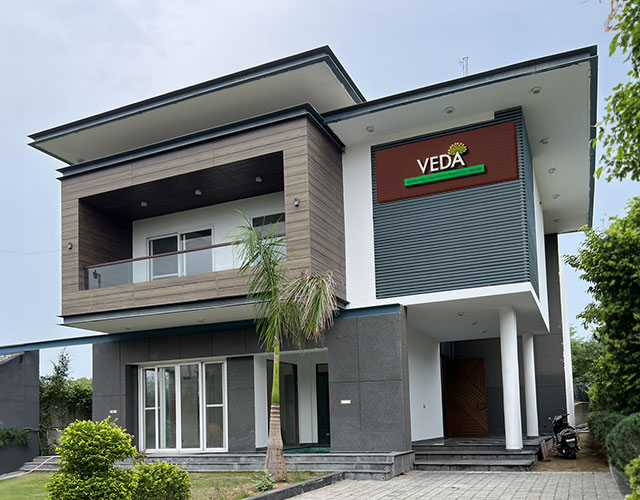
Veda, Thai Villa 10, Nature's View, Royal Palm, Royal Palms Estate, Aarey Colony, Goregaon, Maharashtra 400065

Bangalore

6, Veda, M.S Engineering, college Road, Opp. to Namma Swimming Pool, Navarathna Agrahara, Bengaluru, Karnataka 562157

Frequently Asked Questions About body dysmorphia

1. What is Body Dysmorphic Disorder (BDD)?

Body Dysmorphic Disorder is a mental health condition where a person becomes overly concerned about perceived flaws in their appearance. These flaws are often minor or not noticeable to others, but they can cause significant emotional distress and affect daily life.

Some common signs include constantly checking mirrors, comparing appearance with others, excessive grooming, avoiding social situations or feeling extremely anxious about physical appearance. These thoughts can become overwhelming and difficult to control.

Yes, BDD is treatable. With the right therapy, support and structured care, many people learn healthier ways to manage negative thoughts about their appearance and improve their confidence and emotional well-being.

Treatment usually includes psychotherapy such as cognitive behavioral therapy (CBT), emotional support and sometimes medication when recommended by professionals. At Veda Rehabilitation and Wellness, treatment plans are designed to address both emotional and psychological aspects of the condition.

If concerns about appearance start affecting daily life, relationships, work or emotional health, it may be helpful to seek professional support. Early treatment can make recovery easier and help individuals regain confidence and stability.

Moving Forward with Support

According to reports, BDD is more prevalent among people than anorexia and bulimia. As of 2024, body dysmorphia affected 1-2% of the entire Indian population. What is more serious is that it mostly affects people between the ages of 15 and 17.

Living with Body Dysmorphic Disorder (BDD) can be deeply distressing. Constant worries about appearance can affect confidence, relationships and everyday life. It can sometimes feel isolating, but you don’t have to face these challenges alone.

Recovery takes time, understanding and the right kind of professional support. With proper therapy and guidance, many people learn to develop a healthier relationship with their body, improve self-esteem and regain balance in their daily lives.

At Veda Rehabilitation and Wellness, the focus is on providing compassionate care in a safe and supportive environment where individuals can begin their journey toward healing.

If you or someone close to you is struggling with BDD, starting a simple conversation can be an important first step. With the right support and treatment, lasting change and recovery are possible.