- Mumbai, Gangtok, New Delhi, Bangalore
- (+91) 81518 30000
- WhatsApp Now
- contact@vedawellnessworld.com
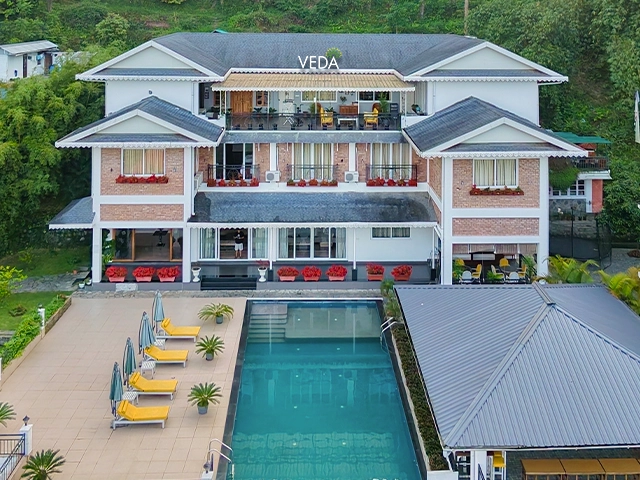
At Veda Rehabilitation and Wellness, recovery takes place in an intimate luxury setting designed for comfort, privacy and focused care. With only eight residents at a time, each client receives individualized attention and a structured program that blends modern clinical treatment with restorative wellness practices.
The program integrates psychotherapy, psychiatric care and complementary therapies such as yoga, meditation, mindfulness and creative therapies (all science-backed) to support both emotional and physical healing. Clients can stay connected to daily life by keeping their phones, continuing work remotely and maintaining regular family contact. Nutritious organic meals, a peaceful environment and the comforting presence of our support dog Enso create a calm space that encourages sustainable, long-term recovery.
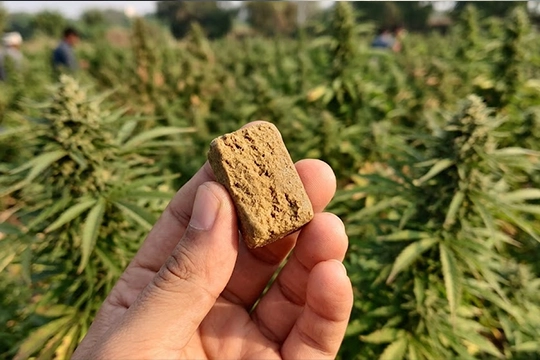
Hash, short for hashish, is a concentrated form of cannabis created from the resin of the plant. Because it contains higher levels of psychoactive compounds, regular use can gradually lead to psychological dependence.
Hash addiction develops when a person begins relying on the substance to relax, cope with stress or feel normal. Over time, the brain adapts to the drug, making it difficult to stop without experiencing cravings, mood changes or withdrawal discomfort.
At Veda, treatment focuses on identifying the underlying causes of dependency while helping individuals rebuild healthier routines, emotional balance and long-term well-being.
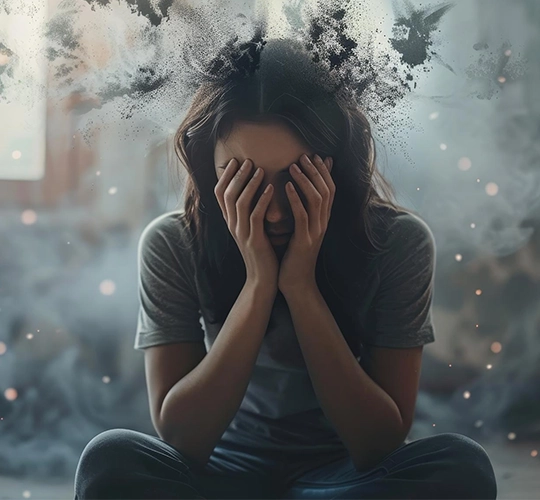
Hash dependence can affect mental health, behavior and daily functioning. Some common indicators include:
Recognizing these signs early can help individuals seek timely support and avoid deeper dependence.
Addiction rarely has a single cause. It usually emerges from a mix of biological, psychological and environmental influences, including:
Understanding these factors helps clinicians design treatment that targets both the addiction and the root causes behind it.
The first step in the hash de-addiction treatment in India is detoxification, which involves eliminating substance from the body while managing withdrawal symptoms. Our medical detox program ensures:
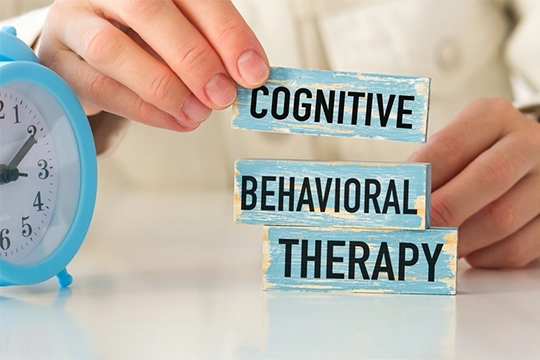
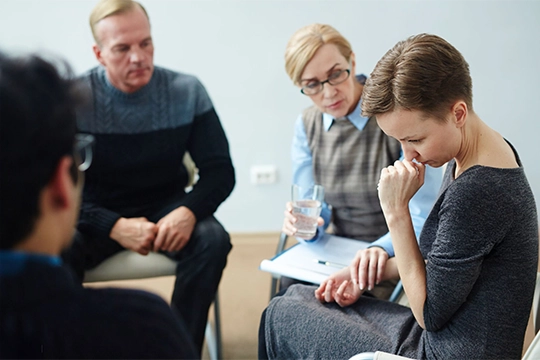
We work with the client and incorporate scientifically-backed and evidence based therapies in the treatment such as:
We work on the fact that recovery from hash addiction doesn’t end with rehabilitation. Long-term sobriety requires continuous effort and support. Our drug de-addiction centres in India offer:
This is a Sample of Daily Schedule at Veda

Morning beverage (Tea, coffee, or detox juice) + Physical activity (Yoga, pickleball, or gym workout)

Breakfast (flexible timing) + Shower and preparation for the day.

Morning prayer or gratitude practice

Therapy Session (Individual session with psychologist)

Therapeutic Assignments (Written assignments, psychoeducation, or reading).
Group Discussions 2 times a week

Lunch (flexible timing) + Afternoon Free Time (Approx 2 hours)

Creative & Healing Therapies (Art therapy, music therapy, or sound healing (approx. 1 hour)
Group Therapies

Group Activities (Group session or group activity for approx. 1 hour)

Evening Wellness (Sports, walk, meditation, or mindfulness session approx. 1–1.5 hours)

Dinner (flexible timing)

Bedtime
Excludes any special prescribed medication, blood test work etc
No one ethical can promise a permanent cure. Addiction is a chronic, relapsing brain condition, and relapse rates are like other chronic illnesses like asthma or hypertension. That is why guarantees are not medically honest. The good news is that treatment works and your odds improve a lot when we combine therapy, medicine, wellness practices, time in care and a structured aftercare plan.
Taking care of our mental health through therapy, self-care rituals and holistic healing practices is essential to ensure good quality of life and improved life satisfaction.
You are not alone in this and you also deserve all the care to feel seen, heard, validated and supported even beyond your mental health struggles and challenges. Remember, help is available and you just have to reach out and ask for it.
Contact us today for a confidential consultation.
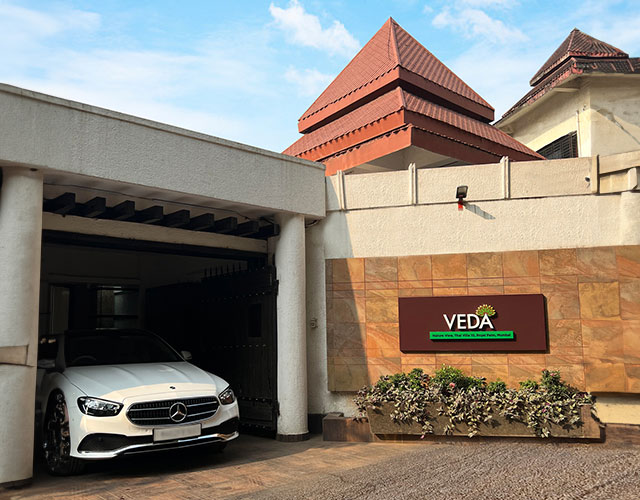
Veda, 18A, Mother Teresa Dr, Dera Village, Fatehpur Beri, New Delhi, Delhi 110074
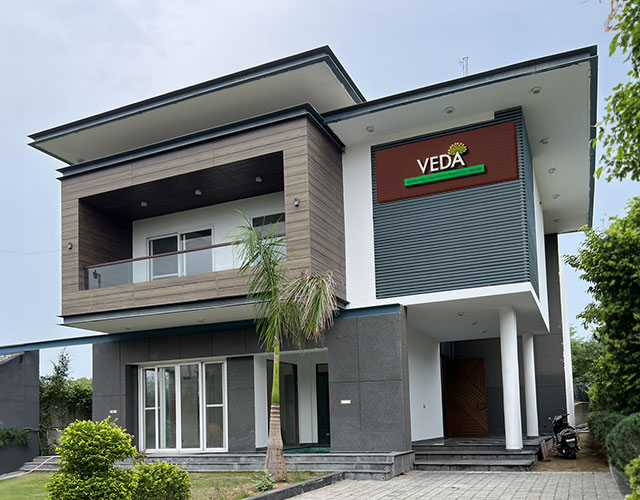
Veda, Thai Villa 10, Nature's View, Royal Palm, Royal Palms Estate, Aarey Colony, Goregaon, Maharashtra 400065
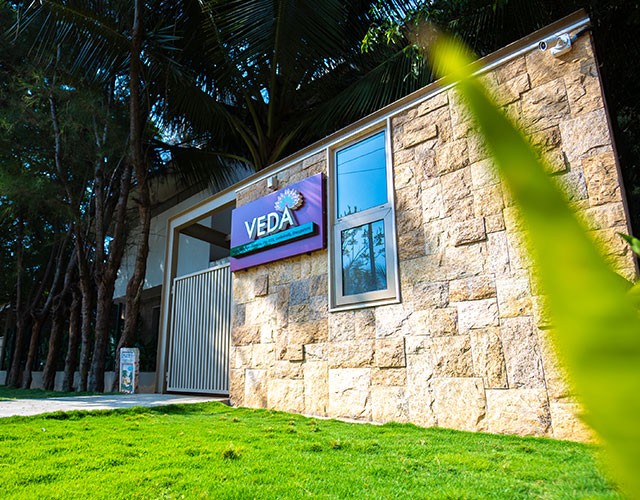
6, Veda, M.S Engineering, college Road, Opp. to Namma Swimming Pool, Navarathna Agrahara, Bengaluru, Karnataka 562157
Early signs of hash addiction include frequent cravings, difficulty reducing use, relying on hash to relax or cope with stress, reduced productivity, mood swings and sleep disturbances. Over time, individuals may prioritize hash use over responsibilities, relationships or personal well-being.
Yes, long-term hash use can impact mental health. Regular consumption may increase the risk of anxiety, depression, memory problems and lack of motivation. In some cases, heavy use can worsen existing mental health conditions or contribute to emotional instability.
Hash can be more potent than regular cannabis because it contains higher concentrations of psychoactive compounds. This increased potency can lead to stronger psychological dependence and a higher likelihood of developing tolerance and addiction with frequent use.
Hash addiction treatment usually includes evidence-based therapies such as cognitive behavioral therapy (CBT), counseling, behavioral interventions and holistic wellness practices. Many luxury rehab centers, including Veda Rehab and wellness, combine medical care, therapy and lifestyle support to help individuals achieve sustainable recovery.
Some people may reduce or stop use on their own, but professional treatment significantly improves long-term recovery outcomes. Structured programs, therapy and relapse-prevention strategies offered at centers like Veda provide the guidance and support needed to overcome dependence and maintain sobriety.