- Mumbai, Gangtok, New Delhi, Bangalore
- (+91) 81518 30000
- WhatsApp Now
- contact@vedawellnessworld.com
A safe, private and effective path to recovery for someone you love
If you’re searching for social media addiction treatment in Mumbai, you’re probably not just researching.
You’re worried.
Maybe the addiction has increased. Maybe there are mood swings, arguments, or a sense that something is slipping out of control. Or maybe everything looks “functional” on the surface, but deep down, you know something isn’t right.
Take a breath.
You’re not alone. And this is treatable.
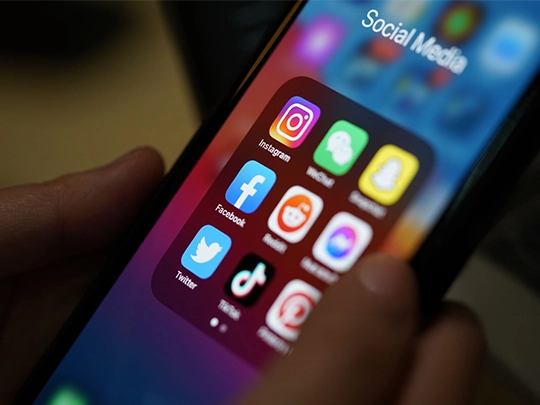
Social media has transformed the way we connect, share and communicate. Platforms like Instagram, Facebook, and Twitter have become an integral part of daily life. But when scrolling becomes compulsive and the urge to check notifications overrides real-world interactions, work, or even sleep, it may signal social media addiction.
Unlike occasional overuse, addiction goes deeper. It creates dependency, affecting mood, focus, and self-esteem. It’s not just about spending too much time online; it’s about losing control over when and how we use social media—often at the cost of our well-being.
Ever felt a rush of excitement when you get a like or a comment? That’s a brain chemical known as dopamine which is linked to pleasure and reward.
Social media platforms are designed to keep us hooked. Every like, comment, or notification triggers a small dopamine release, reinforcing the behavior and making it harder to stop. Over time, this cycle creates dependency, similar to gambling or other behavioral addictions.
Research shows that excessive social media use rewires the brain, leading to:
While social media is a part of modern life, how we use it matters. Ask yourself:
If you answered “yes” to multiple questions, it may be time to reevaluate your relationship with social media.
Before contacting a rehab centre in Mumbai, families often think:
These thoughts are natural.
But here’s what we’ve seen repeatedly:
The earlier the intervention, the smoother the recovery.
Social media addiction doesn’t just steal time—it impacts mental health, relationships, and physical well-being.
Overcoming social media addiction isn’t about quitting entirely—it’s about creating a healthier relationship with it.
Here are some steps to take back control:
If your social media use is affecting your mental health, work, or relationships, it may be time to seek professional support. Therapy, digital detox plans, and mindfulness practices can help develop healthier habits.
Social media should enhance your life, not control it. Being mindful of your usage and making intentional choices can help create a balance. A healthier relationship with social media can lead to:
We keep the process simple and respectful.
No pressure. Just understanding your situation clearly.
We help determine whether rehab in Mumbai is the right step.
We guide families through how to bring their loved one in, even if there is hesitation or resistance.
One of the biggest fears families have is uncertainty.
Here’s what actually happens inside a rehabilitation centre in Mumbai:
Day 1–3: Settling in
Medical and psychological assessments, orientation, emotional adjustment
Week 1: Detox and stabilization
Week 2–4: Core recovery
Therapy, emotional processing, identifying triggers, structured routine
Beyond: Preparing for life after treatment
Relapse prevention, coping tools, rebuilding relationships
At Veda, treatment focuses on long-term recovery, not short-term control.
We combine:
Because any addiction is often linked to deeper emotional patterns.
This is a Sample of Daily Schedule at Veda

Morning beverage (Tea, coffee, or detox juice) + Physical activity (Yoga, pickleball, or gym workout)

Breakfast (flexible timing) + Shower and preparation for the day.

Morning gratitude or prayer practice

Therapy Session (Individual session with psychologist)

Therapeutic Assignments (Written assignments, psychoeducation, or reading).
Group Discussions 2 times a week

Lunch (flexible timing) + Afternoon Free Time (Approx 2 hours)

Creative & Healing Therapies (Art therapy, music therapy, or sound healing (approx. 1 hour)
Group Therapies

Group Activities (Group session or group activity for approx. 1 hour)

Evening Wellness (Sports, walk, meditation, or mindfulness session approx. 1–1.5 hours)

Dinner (flexible timing)

Bedtime
Excludes any special prescribed medication, blood test work etc
No one ethical can promise a permanent cure. Addiction is a chronic, relapsing brain condition, and relapse rates are like other chronic illnesses like asthma or hypertension. That is why guarantees are not medically honest. The good news is that treatment works, and your odds improve a lot when we combine therapy, medicine, wellness practices, time in care and a structured aftercare plan.
That is the honest promise we make and we will walk that path with you.
For many families, privacy is essential.
Veda offers a luxury rehab in Mumbai designed for:
This helps clients feel safe, not restricted.
Recovery is stronger when families are involved.
We provide:
Because healing extends beyond the individual.
"A 16-year-old student who had become completely dependent on social media came to Veda after his parents noticed his grades dropping and his sleep getting worse. He was spending 10–12 hours a day scrolling and felt anxious whenever he was away from his phone. Through therapy, structured routines, and mindfulness practices, he slowly rebuilt healthier habits with technology. By the end of the program, he was sleeping better, focusing on school again and using social media in a more balanced way.”
“A 29-year-old marketing professional came to Veda feeling burned out and constantly distracted by social media. Even during work hours, she found herself compulsively checking notifications and comparing her life to others online. With counselling, digital detox strategies, and lifestyle changes, she learned to manage her triggers and reduce screen time. Over time she reported feeling calmer, more present and more productive in both her work and personal life.”
Most families wait longer than they should.
Not because they don’t care
But because they hope things will resolve on their own
And while sometimes they do,
early addiction treatment consistently leads to better outcomes.
Veda, 18A, Mother Teresa Dr, Dera Village, Fatehpur Beri, New Delhi, Delhi 110074
Veda, Thai Villa 10, Nature's View, Royal Palm, Royal Palms Estate, Aarey Colony, Goregaon, Maharashtra 400065
6, Veda, M.S Engineering, college Road, Opp. to Namma Swimming Pool, Navarathna Agrahara, Bengaluru, Karnataka 562157
Common signs of social media addiction include spending several hours a day on platforms, anxiety when unable to check notifications, sleep disruption from late-night scrolling, declining work or school performance and difficulty focusing offline. If social media use starts affecting mental health, relationships or productivity, professional social media addiction treatment can help restore healthier digital habits.
Social media addiction treatment typically combines psychotherapy, behavioral therapy, and structured digital detox strategies. At centres like Veda Rehabilitation and Wellness, treatment may also include mindfulness practices, lifestyle restructuring and counselling to address the emotional triggers behind compulsive phone and social media use.
.
Yes. Excessive social media use has been linked to anxiety, depression, poor self-esteem, and sleep disturbances. Constant comparison, online validation, and dopamine-driven scrolling can negatively affect emotional wellbeing. Professional digital addiction treatment programs focus on rebuilding healthier routines and improving mental balance.
The length of social media addiction treatment depends on the severity of the behavior and individual needs. Some people benefit from a short digital detox and counselling program, while others may require several weeks of structured therapy to rebuild healthy screen habits and address underlying emotional triggers.
Yes. Many teenagers struggle with phone addiction and excessive social media use. Specialized programs can help adolescents develop healthier technology habits, improve focus and reduce anxiety related to online validation. Therapy often includes family involvement to help build healthier digital boundaries at home.