Prescription Drug Addiction Treatment Centre In India

  • Home
  • Prescription Drug Addiction Treatment Centre In India

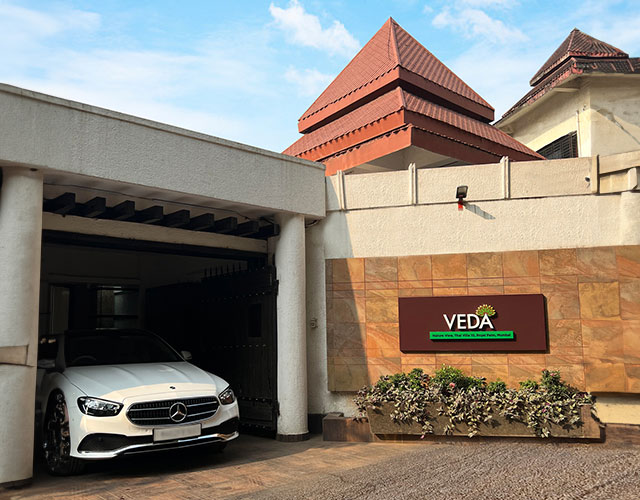
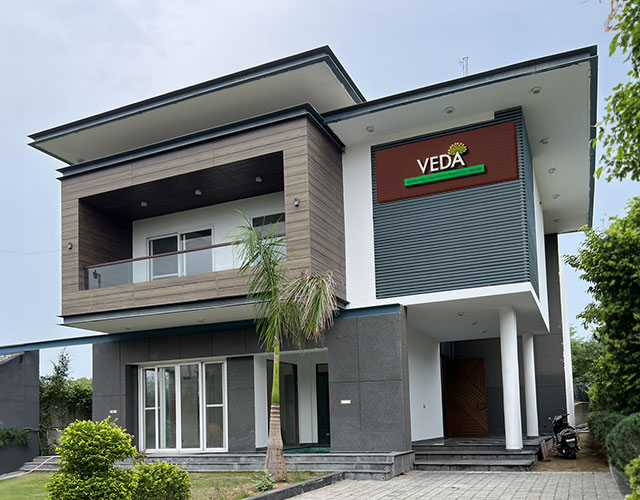
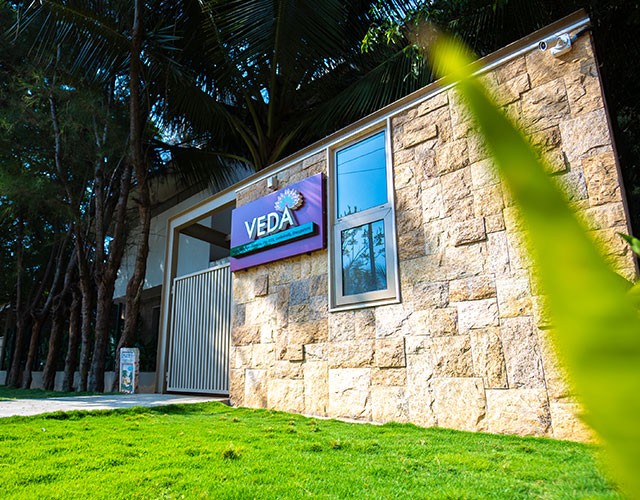
We’re a client first, luxury rehab brand with space limited to just 8 clients at a time. Keeping the client number low allows us to give each person the time, attention, and personalised care they truly deserve.

Recovery at Veda focuses on both physical and mental wellness. Along with clinical therapy and psychiatric support, we also incorporate holistic practices that help restore balance and emotional well-being. These may include yoga, meditation, mindfulness, sports activities, music therapy, art therapy, reiki, rock balancing and other wellness practices that support healing.

At the same time, everything we offer is evidence-based and clinically guided. From psychotherapy and psychiatric care to wellness practices like sound healing, our goal is to create a treatment experience that is both holistic and grounded in science.

Another thing that makes Veda different is the environment. Clients can keep their phones, stay connected with loved ones and in some cases even work remotely from the centre if needed. Family members are welcome to stay involved and visit, which helps strengthen support systems during recovery.

And of course, one of the most loved members of our community is Enso, our support dog, who brings warmth and comfort to many people during their healing journey.

How We Treat Prescription Drugs Addiction

Many people start relying on prescription medications in ways that weren’t originally intended, often to cope with stress, anxiety, sleep problems or emotional difficulties. Over time, the body can develop a strong dependence on these medications. If someone suddenly stops taking them after long-term use, it can lead to serious and uncomfortable withdrawal symptoms. That’s why it’s usually safer not to quit abruptly. A medically supervised approach helps people gradually reduce their dependence on prescription drugs in a safe and controlled way, while also managing withdrawal symptoms and supporting both physical and emotional recovery.

Mental and Physical Detox

The first step in the prescription drug addiction treatment is detox, where the body slowly clears all substance while the medical team helps manage any withdrawal symptoms. At Veda Rehabilitation and Wellness, detox is handled carefully so clients feel safe and supported during this early stage of recovery.

During detox, we focus on:

  • Medical and psychological monitoring to manage withdrawal symptoms safely
  • Medications when necessary to reduce discomfort and prevent complications
  • A calm and supportive environment that helps clients transition into sobriety as smoothly as possible

The goal of this stage is to help the body stabilise so that clients can fully engage in the therapeutic work that follows.

1. For Opioid Detox

Opioid detox is the process of safely removing opioids from the body. There are different approaches doctors may use. Some programs use medications to ease withdrawal symptoms, while others may recommend replacement therapy like Suboxone, which helps reduce cravings and discomfort during detox.

During detox, people may experience withdrawal symptoms, so medical support is important. Medications for nausea, pain, or dehydration may be used to keep patients comfortable. Emotional symptoms like anxiety or low mood can also come up, which is why therapeutic support is equally important.

At Veda Rehabilitation and Wellness, opioid detox focuses on keeping clients safe and comfortable while managing withdrawal symptoms. The team works closely with each person, treating them with respect and helping them take the first step toward long-term recovery.

2. For Suboxone Detox

Suboxone is often used to help people manage opioid addiction and reduce withdrawal symptoms. If someone needs to stop taking Suboxone, it should always be done under medical supervision, since slowly tapering the medication helps reduce discomfort and lowers the risk of relapse. Detox is only the first step. Long-term recovery usually includes therapy, support programs and lifestyle changes. At Veda Rehabilitation and Wellness, clients receive safe medical support and guidance to help them move toward lasting recovery.

3. For Benzodiazepine (Benzo) Detox

Benzodiazepines like Valium or Xanax are commonly prescribed for anxiety and sleep issues, but they can become addictive if misused. Because withdrawal can be difficult, detox is usually done under medical supervision, where the medication is slowly tapered to reduce symptoms. During this process, doctors may use supportive medications and closely monitor patients to make detox safer and more comfortable. At Veda Rehabilitation and Wellness, the focus is on helping clients safely move through detox while preparing for the next stage of recovery.

4. For Methadone Detox

Methadone is often used to treat opioid addiction, but it can also become addictive over time. Detox involves slowly and safely reducing the medication under medical supervision to manage withdrawal symptoms. At Veda Rehabilitation and Wellness, clients receive medical support and monitoring during detox to ensure the process is safe, comfortable, and the first step toward long-term recovery.

Deep Rooted Therapy and Building Positive Habits

Once detox is complete, the focus shifts to understanding the deeper reasons behind addiction and building healthier habits. We work closely with each client using scientifically backed and evidence-based therapies.

These may include:

  • Cognitive Behavioural Therapy (CBT) and Dialectical Behavioural Therapy (DBT) to help change harmful thinking and behaviour patterns
  • Motivational Interviewing, which helps strengthen a person’s commitment to recovery
  • Mindfulness and meditation practices that promote emotional balance, self-awareness and stress management
  • Yoga and physical wellness activities that help restore both physical health and mental well-being after addiction
This phase is about helping clients understand themselves better and develop healthier ways to cope with life’s challenges.

Relapse Prevention and Building Long-Term Stability

Recovery doesn’t stop after rehab. Maintaining sobriety requires ongoing awareness, support and practical coping skills. That’s why a major focus of treatment at Veda Rehabilitation and Wellness is relapse prevention and long-term recovery planning.

This stage includes:

  • Identifying personal triggers and learning practical coping strategies for high-risk situations
  • Working with family members and support systems so clients feel supported even after leaving the centre
  • Regular follow-up counselling and outpatient support when needed
  • Life skills training, helping individuals return to daily life with confidence and stability

The goal is not just short-term sobriety, but helping people build the skills, mindset and support system needed for lasting recovery.

Duration of treatment : 3 Months

You Want To Know What A Day At Veda Looks Like?

This is a Sample of Daily Schedule at Veda

Trusted alcohol rehabilitation centre with experienced addiction specialists

7:00 – 8:00 AM

Morning beverage (Tea, coffee, or detox juice) + Physical activity (Yoga, pickleball, or gym workout)

Trusted alcohol rehabilitation centre with experienced addiction specialists

8:00 – 10:00 AM

Breakfast (flexible timing) + Shower and preparation for the day.

Trusted alcohol rehabilitation centre with experienced addiction specialists

10:30 AM

Morning prayer or gratitude practice

Trusted alcohol rehabilitation centre with experienced addiction specialists

11:00 AM

Therapy Session (Individual session with psychologist)

Trusted alcohol rehabilitation centre with experienced addiction specialists

12:30 PM

Therapeutic Assignments (Written assignments, psychoeducation, or reading).

Trusted alcohol rehabilitation centre with experienced addiction specialists

1:30 PM

Lunch (flexible timing) + Afternoon Free Time (Approx 2 hours)

Trusted alcohol rehabilitation centre with experienced addiction specialists

3:30 PM

Creative & Healing Therapies (Art therapy, music therapy, or sound healing (approx. 1 hour)

Trusted alcohol rehabilitation centre with experienced addiction specialists

5:00 PM

Group Activities (Group session or group activity for approx. 1 hour)

Trusted alcohol rehabilitation centre with experienced addiction specialists

6:30 PM

Evening Wellness (Sports, walk, meditation, or mindfulness session approx. 1–1.5 hours)

Trusted alcohol rehabilitation centre with experienced addiction specialists

8:00 – 10:00 PM

Dinner (flexible timing)

Trusted alcohol rehabilitation centre with experienced addiction specialists

10:00 PM

Bedtime

What Is The Cost Of The Treatment?

Includes Accommodation, Meals, Treatment,
All Common Wellness Practices, Etc.

Excludes any special prescribed medication, blood test work etc

What is the guarantee that this will work and he / she will be de-addicted?

No one ethical can promise a permanent cure. Addiction is a chronic, relapsing brain condition, and relapse rates are like other chronic illnesses like asthma or hypertension. That is why guarantees are not medically honest. The good news is that treatment works, and your odds improve a lot when we combine therapy, medicine, wellness practices, time in care, and a structured aftercare plan. 

That is the honest promise we make, and we will walk that path with you. 

Our Rehab Centres

Take the First Step Toward Recovery

If you or someone you love is struggling with Prescription Drug, seeking professional help can be life-changing. Veda Rehabilitation is here to guide you through the journey of recovery with compassion, expertise, and commitment.

Locations

New Delhi

Veda, 18A, Mother Teresa Dr, Dera Village, Fatehpur Beri, New Delhi, Delhi 110074

Mumbai

Veda, Thai Villa 10, Nature's View, Royal Palm, Royal Palms Estate, Aarey Colony, Goregaon, Maharashtra 400065

Bangalore

6, Veda, M.S Engineering, college Road, Opp. to Namma Swimming Pool, Navarathna Agrahara, Bengaluru, Karnataka 562157

FAQs

What is prescription drug addiction?
Prescription drug addiction is a chronic, relapsing disorder characterised by compulsive drug seeking, continued use despite harmful consequences, and long-lasting changes in the brain. It can develop from the misuse or overuse of medications prescribed by healthcare providers for legitimate medical conditions. Types of Commonly Abused Prescription Drugs include Opioids, which are prescribed for pain relief. Examples include oxycodone (OxyContin), hydrocodone (Vicodin), and morphine. along with, CNS Depressants: Used for anxiety and sleep disorders. Examples include benzodiazepines like diazepam (Valium) and alprazolam (Xanax) and Stimulants: Prescribed for attention-deficit hyperactivity disorder (ADHD) and certain sleep disorders. Examples include amphetamines (Adderall) and methylphenidate (Ritalin).
The benefits of long term prescription drug treatment include, it helps in Consistency in Treatment: It helps manage chronic conditions such as diabetes, hypertension, and heart disease by maintaining stable blood levels of medications.
  • Improved Quality of Life:Reduces symptoms and complications, leading to improved daily functioning and overall quality of life. Long-term use of medications like antidepressants, antipsychotics, and mood stabilizers can help maintain mental health stability, reducing the frequency and severity of episodes it also, Allows individuals to maintain better relationships, work performance, and personal wellbeing. the risks of long-term prescription drug addiction include Physical Dependency: Certain medications, especially opioids, benzodiazepines, and stimulants, can lead to physical dependency and addiction Tolerance: Over time, higher doses may be required to achieve the same effect, increasing the risk of misuse and addiction.
  • Short-Term Side Effects:Nausea, dizziness, drowsiness, and other immediate side effects can occur.
  • Long-Term Side Effects:Prolonged use can lead to more severe issues such as liver damage, kidney damage, cardiovascular problems, and hormonal imbalances.
the drugs used to treat anxiety include benzodiazepines, i.e diazepam (Valium), alprazolam (Xanax), and lorazepam (Ativan), which leads to drowsiness, dizziness, coordination problems, memory issues, confusion, blurred vision, slurred speech and dependence and withdrawal. another drug used to treat anxiety disorder is, SSRI (Selective serotonin reuptake inhibitors) which include fluoxetine (Prozac), sertraline (Zoloft), and escitalopram (Lexapro) resulting in side effects such as nausea, insomnia, sexual dysfunction, weight changes, dry mouth,fatigue and diarrohoa.
Prescription drugs for bipolar disorder are crucial in managing mood swings, including manic, hypomanic, and depressive episodes. These medications help stabilize mood, prevent the recurrence of mood episodes, and improve overall functioning. Lithium is a classic mood stabilizer which is effective in reducing the severity and frequency of mania and depressive episodes. It also helps in preventing suicide and maintaining long-term mood stability. Anticonvulsants (e.g., valproate, carbamazepine, lamotrigine): these drugs help in stabilizing mood by reducing the excitability of brain cells, which helps in managing both manic and depressive episodes. Antipsychotics (Risperidone), Olanzapine (Zyprexa), quetiapine (Seroquel) are effective in quickly controlling symptoms of mania and hypomania, such as agitation, hallucinations, and delusions. These medications work by balancing neurotransmitters in the brain, such as serotonin, dopamine, and norepinephrine, which are involved in mood regulation.
Treatment-resistant depression (TRD) is a form of major depressive disorder that does not respond adequately to at least two different antidepressant treatments of adequate dose and duration. Managing TRD can be challenging, but several prescription drugs and approaches have shown effectiveness. Medications like aripiprazole (Abilify), quetiapine (Seroquel), and olanzapine (Zyprexa) are often used to augment antidepressants. They can enhance the effectiveness of antidepressants by modulating neurotransmitter systems. Originally used for bipolar disorder, lithium can be effective in augmenting antidepressant therapy in TRD. Electro-convulsive therapy has one of the highest response rates for TRD, with around 50-70% of patients experiencing significant improvement. Transcranial Magnetic Stimulation (TMS) involves using magnetic fields to stimulate nerve cells in the brain. It is a non-invasive treatment option for TRD and can be effective, particularly for patients who have not responded to medication. it has a moderate response rate, with about 30-50% of patients with TRD responding to treatment.
The most prescribed drug for the treatment of depression is, Sertraline (Zosert, Serlift), Fluoxetine (Prozac, Fludac)Venlafaxine (Venlor) and Paroxetine (Pexep, Paxil). In India, escitalopram (Cipralex) is the most commonly prescribed drug for the treatment of depression due to its high efficacy, favourable safety profile, and widespread availability. Other SSRIs like sertraline and fluoxetine are also commonly prescribed, but escitalopram tends to be the preferred choice among healthcare providers in the region.
Most recovery programmes are made keeping the physical and mental conditions of the person in mind so the treatment may be the same but the intensity and approach may vary.
SSRIs are often considered the first-line treatment for PTSD, the most common SSRI’s is Sertraline (Zoloft) and Paroxetine (Paxil) SSRIs can help reduce symptoms of PTSD, including re-experiencing (flashbacks and nightmares), avoidance behaviors, and hyperarousal (anxiety and irritability). Serotonin-Norepinephrine Reuptake Inhibitors (SNRIs) are another effective treatment for PTSD, as help alleviate symptoms of PTSD, particularly those related to depression and anxiety. Alpha-1 Adrenergic Antagonists are primarly used to treat sleep disturbances and nightmares associated with PTSD.
Depending on what prescribed drug you have been using it can have varying effects on your physical and mental health. A drug rehabilitation center like Veda helps you overcome these effects through medically and psychologically assisted programmes.
Depending on what drug you have been using it can have varying effects on your physical and mental health. A Prescribed Drugs Addiction treatment starts from detoxification and is followed by psycho-social treatment. It helps you overcome these effects through medically and psychologically assisted programmes.
For any de-addiction programme to work a minimum period of 3 months is required because it helps to get the drug out of the person’s system medically as well as implementing behavioral changes. The treatment at Veda doesn’t end as soon as the person leaves the center, we maintain follow-ups for almost a year to ensure client’s best treatment.