- Mumbai, Gangtok, New Delhi, Bangalore
- (+91) 81518 30000
- WhatsApp Now
- contact@vedawellnessworld.com
At Veda, we help Indian families take the first right step through expert guidance, therapy,
and compassionate care that transforms lives.
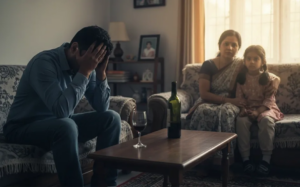
You’ve noticed the lies. The late nights. The distance.
Maybe it’s alcohol. Maybe it’s weed. Or maybe you’re not even sure.
All you know is—they’re slipping away.
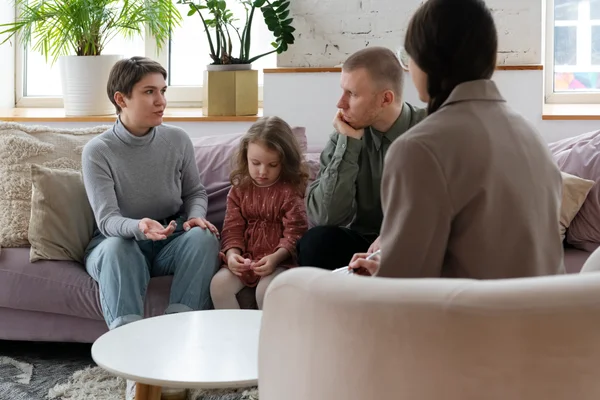
At Veda, we guide families—not just individuals—toward healing.
Our free consultation is designed just for you.
“My younger brother was a mess before Veda. We had tried 2 other places before this, but they just sedated him. Veda actually treated the root cause. He’s not perfect now, but he’s present. I wish they had a longer family follow-up plan after discharge, though.”
Coming from the U.S., we were initially hesitant about sending a family member all the way to India for treatment. It felt far, both physically and emotionally. But Veda in Mumbai completely changed our perspective. The centre is world-class—clean, professional, and incredibly compassionate. Their approach blends clinical expertise with cultural understanding in a way that felt deeply human. Honestly, it was as effective (and far more affordable) than most top-tier rehabs in the U.S. The only downside is the distance—but the results made it more than worth the journey.”
My daughter hadn’t looked me in the eye for a year. After two weeks at Veda, she asked if we could go for a walk. I broke down in tears. That’s what healing looks like. And it began with one free session.”
My wife and I were barely speaking. Addiction had eaten up our marriage. But the team at Veda helped us talk again, not as patient and caretaker, but as two people who still loved each other. We’re rebuilding slowly. But we’re doing it together.”*
Start with calm, non-judgmental concern rather than confrontation, and choose a sober, private moment. Refusal is usually driven by fear, shame, or denial, so listen for the specific barrier and help solve it. Offering a smaller first step — a single assessment or doctor’s consultation — is often less threatening than committing to full residential treatment. A professional interventionist can help when needed.
Support encourages recovery; enabling protects the person from the consequences of their use. Giving money that funds the addiction, covering for missed work, or making excuses are forms of enabling, even when well-intentioned. Healthy support means setting calm, consistent boundaries you actually keep — caring for the person without shielding the behaviour. Learning where this line sits is one of the most valuable things families can do.
An intervention can help, but it works best when planned carefully — ideally with a trained professional rather than as a surprise confrontation, which can backfire and damage trust. Many clinicians now favour gentler, collaborative family approaches (such as CRAFT) that encourage treatment through everyday interactions. The goal is to open a door, not corner the person. Professional guidance significantly improves the outcome.
Family therapy addresses the patterns and strains that addiction creates within a household, rebuilds trust and communication, and equips families to support recovery without enabling. Because addiction affects the whole family system, involving relatives improves outcomes and helps prevent relapse. At Veda, family involvement is treated as part of the recovery process rather than an afterthought, supporting both the individual and those around them.
The most helpful thing is steady, encouraging support combined with respect for the treatment process — staying connected while allowing the person space to engage fully with their programme. Educating yourself about addiction, participating in family sessions when invited, and avoiding pressure to leave treatment early all make a real difference. Recovery is demanding, and a calm, affirming presence supports it best.
Recovery continues long after discharge, so ongoing support matters most here. Maintain a stable, trigger-aware home environment, stay engaged with aftercare and follow-up, and keep communication open without policing. Relapse can be part of the journey rather than a failure, so responding with support rather than blame helps the person re-engage. Structured aftercare planning is a key part of any serious programme.
Addiction affects the entire family, often straining relationships, finances, and emotional wellbeing, and it can be especially difficult for children in the home. Recognising this impact is why family support and therapy are central to recovery rather than optional. Addressing the family’s needs — not only the individual’s — supports healthier long-term recovery for everyone involved.
Caring for your own wellbeing is essential, not selfish — supporting a loved one through addiction is genuinely depleting, and your needs are as valid as theirs. Seeking your own counselling or a family support group (such as Al-Anon) provides perspective and relief, and often improves the dynamic at home. You cannot pour from an empty cup, and looking after yourself helps you help them.
Look first at clinical fundamentals: proper licensing and accreditation, qualified multidisciplinary staff, named evidence-based therapies, and the ability to treat co-occurring mental health conditions. A low client-to-therapist ratio means more individual attention, and transparent, all-inclusive pricing avoids surprises. Comfortable facilities matter, but only after the clinical basics check out. Ask any centre to evidence these directly.
Veda treats families as part of the recovery journey, offering family involvement and guidance alongside the individual’s treatment in a private, non-judgmental setting. Families receive support in understanding addiction, rebuilding trust, and learning how to help without enabling. With small client numbers across its centres, Veda is able to give each family focused, personal attention throughout the process.
Schedule a visit or plan a consultation by