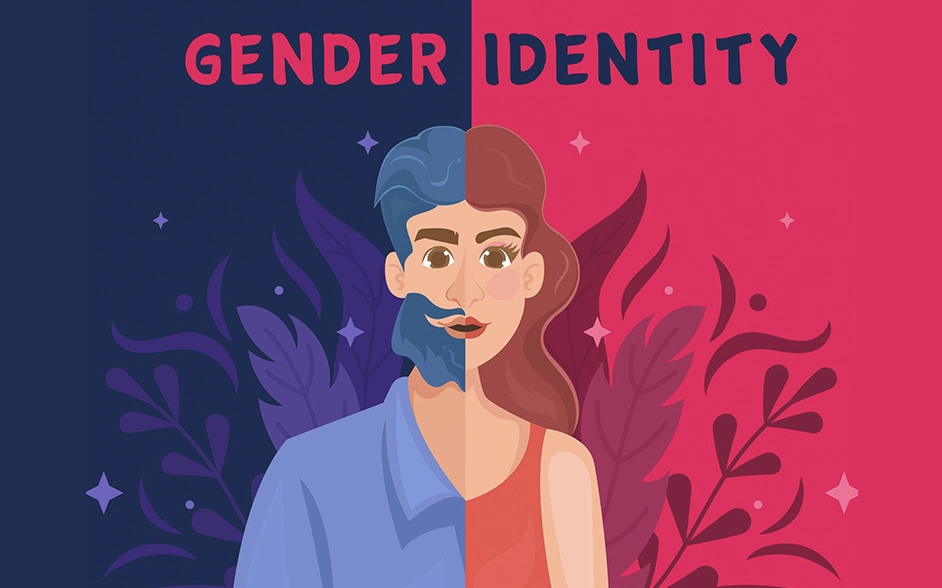
Understanding Gender Identity in Young Adults: A Guide for Families and Individuals

  • Home
  • Addiction
  • Understanding Gender Identity in Young Adults: A Guide for Families and Individuals

Conversations around gender identity are becoming more open in India, especially among young people. Yet for many parents and young adults, the subject still brings confusion, anxiety, and uncertainty. This guide explains what gender identity means, how it develops during adolescence, what gender dysphoria is, and how families can respond with compassion and clinical clarity. 

At Veda Rehab and Wellness, we provide evidence-based mental health support to young adults and families navigating questions of gender identity, always with sensitivity to the Indian cultural context. 

What Is Gender Identity?

Gender identity is a person’s deep, internal sense of being male, female, both, neither, or somewhere along the gender spectrum. It is distinct from biological sex and from sexual orientation. For most people, gender identity aligns with the sex assigned at birth. For some, it does not. 

During adolescence, a period of rapid brain development and emotional change, young people naturally begin exploring who they are. Questions about identity including gender identity, are a normal part of this process. Persistent, significant distress about one’s assigned gender, however, may indicate something that warrants clinical attention.

How Gender Identity Develops in Adolescence

Research shows that gender identity development in adolescence is shaped by multiple overlapping influences: 

  • Biological factors — hormones and neurological development 
  • Psychological factors — self-awareness, temperament, and personality 
  • Social environment — family relationships, peer groups, and cultural norms 
  • Societal expectations — particularly significant in the Indian context, where traditional gender roles can create additional pressure for young people whose identity differs from expectation 

Gender identity exploration during adolescence is not uncommon and does not automatically indicate a clinical condition. What matters clinically is the presence of persistent distress, its intensity, and its impact on daily functioning. 

Gender Dysphoria: What It Is and What It Is Not

A common source of confusion is the distinction between gender identity exploration and gender dysphoria. Gender dysphoria refers to clinically significant distress caused by a mismatch between a person’s assigned sex at birth and their experienced gender identity. It is important to note two things: 

  • Being transgender is not a mental illness. The distress associated with gender dysphoria, however, can require compassionate clinical support. 
  • The older term ‘Gender Identity Disorder’ is now considered outdated and stigmatising. Current clinical guidelines use ‘Gender Dysphoria’, which focuses on the distress not on the identity itself. 

Not all transgender individuals experience severe dysphoria. Some feel significant relief once socially affirmed. Others require therapeutic or, in some cases, medical support. 

Recognising Signs of Gender Dysphoria in Teenagers and Young Adults

In teenagers, signs that may indicate gender dysphoria include strong discomfort with puberty changes, avoidance of mirrors or photographs, a persistent desire to use a different name or pronouns, social withdrawal, and depression or anxiety linked to body image or gender roles. 

In young adults aged 18–25, clinical signs may include persistent distress about physical characteristics, difficulty forming relationships due to identity conflict, and in more serious cases, self-harm ideation linked to identity rejection. Any of these signs warrant professional assessment not as a way of confirming or denying a particular identity, but to understand the person’s full emotional picture.

The Role of Family Support

Research consistently shows that family support is one of the strongest predictors of mental health outcomes for young people experiencing gender-related distress. Families that respond with openness and emotional availability even while navigating their own uncertainty significantly reduce their child’s risk of depression, self-harm, and social isolation. 

Practical forms of support include listening without interrupting, using the young person’s preferred name and pronouns during conversations, avoiding forced gender-role expectations, and seeking professional counselling rather than trying to navigate this alone. 

Families who feel conflicted between cultural or religious values and their child’s wellbeing are not alone in that struggle. A good therapist can hold space for both without dismissing either. 

Clinical Assessment: What to Expect

A clinical assessment for gender identity concerns at Veda typically includes a detailed personal and developmental history, emotional and mental health evaluation, family background discussion, screening for anxiety, depression, and trauma, and assessment of social functioning. 

The goal of assessment is not to push a person toward or away from any particular identity or decision. It is to understand their full experience, identify any co-occurring conditions, and provide thoughtful, personalised guidance. 

Treatment and Support Options in India

When distress is clinically significant, several evidence-based options are available: 

  • Gender-affirmative therapy — a non-directive approach that supports identity exploration, reduces shame, and builds self-acceptance 
  • Cognitive Behavioural Therapy (CBT) — for managing anxiety, depression, or distorted thinking linked to identity conflict 
  • Family counselling — to improve communication, reduce conflict, and build mutual understanding 
  • Psychiatric support — where anxiety or depression requires medication in conjunction with therapy 
  • Medical consultation — for those who, following thorough assessment, choose to explore hormone therapy or other medical pathways 

Not every individual requires medical intervention. Not every family will agree on the path forward. What matters is that decisions are made carefully, with professional support, and with the young person’s long-term emotional wellbeing at the centre. 

Frequently Asked Questions

What is the difference between gender dysphoria and being transgender? 

Being transgender describes a gender identity different from one’s assigned sex at birth. Gender dysphoria describes the emotional distress that can accompany that mismatch. Not all transgender people experience gender dysphoria. 

Yes. Questioning aspects of identity, including gender is a recognised and normal part of adolescent development. Professional evaluation is recommended only when distress is persistent, intense, and affecting daily functioning. 

Listen without judgment, seek professional counselling for both the individual and the family, educate yourself on the subject, and prioritise emotional safety above all else. Veda offers confidential family counselling across India. 

Leave A Comment

Your email address will not be published. Required fields are marked *