What Is REBT? A Simple Guide to Rational Emotive Behaviour Therapy

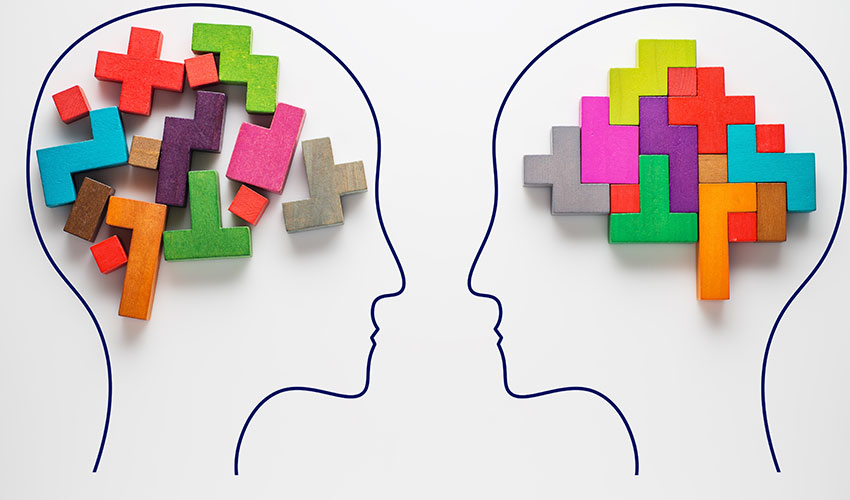
We all talk to ourselves every day. Some of that self-talk is helpful such as “I’ll get through this.” But often, it’s harsh: “I must never fail. People must treat me fairly. If things don’t go my way, life is terrible.”

This pattern of thinking doesn’t just make us unhappy, it traps us in cycles of anxiety, depression, anger, and stress.

That’s exactly what Rational Emotive Behaviour Therapy (REBT), developed by psychologist Albert Ellis in the 1950s, is designed to fix. REBT teaches us to spot irrational beliefs, challenge them, and replace them with healthier, rational thoughts so we can live calmer, happier lives.

What is REBT (Rational Emotive Behaviour Therapy)?

REBT is a form of cognitive-behavioural therapy (CBT) that says it’s not events themselves that upset us, but our beliefs about those events.

 Example:

  • Event: You fail an exam.
  • Belief: “I’m worthless. I must always succeed.”
  • Consequence: You feel depressed and give up.

In REBT, you’re taught to identify this belief, challenge it, and replace it with something more rational: “I wanted to succeed, but failing doesn’t make me worthless. I can learn from this and try again.”

The shift in belief creates a healthier emotional response and better behaviour.

The Famous “Three Musts”

Ellis explained that many emotional struggles come from three irrational rules we impose on ourselves:

  1. “I must do well and win approval, or I’m no good.”
  2. “Others must treat me fairly, or they are bad people.”
  3. “Life must give me what I want, when I want it.”

When life inevitably breaks these rules, frustration, anxiety, and depression set in. REBT helps us let go of the “musts” and replace them with preferences.

Instead of “I must succeed,” you learn to think: “I want to succeed, but it’s okay if I don’t. I’ll keep trying.”

The REBT ABC Model

Ellis created a simple model to explain how our thinking shapes our emotions and behaviour:

  • A – Activating Event (What happened?)
  • B – Belief (What do I tell myself about it?)
  • C – Consequence (How do I feel/act as a result?)
  • D – Disputation (Can I challenge this belief?)
  • E – Effect (What happens when I change the belief?)
  • F – New Feeling (How do I feel now?)

Example:

  • A: Your friend cancels dinner.
  • B: “She doesn’t care about me.”
  • C: You feel hurt and angry.
  • D: You challenge it: “She might just be busy.”
  • E: You replace the thought with: “It’s disappointing, but it’s not proof she doesn’t care.”
  • F: You feel calmer and maintain the friendship.

This model empowers people to take control of their reactions instead of feeling like helpless victims of circumstance.

Techniques Used In REBT

Therapists often use practical exercises to help clients rewire their thinking patterns. Some common REBT techniques include:

1. Cost-Benefit Analysis

Listing the pros and cons of a behaviour repeatedly (e.g., smoking, procrastination) to see if it’s worth continuing.

2. Shame-Attacking Exercises

Doing harmless but socially “silly” acts like asking a stranger for directions you already know to learn that disapproval is survivable.

3. Forceful Self-Statements

Replacing rigid beliefs with flexible ones.

  • Instead of “I must never fail,” to “I want to succeed, but I can handle failure too.”

4. Reinforcement and Rewards

Rewarding yourself for facing fears (like speaking up in a meeting) to encourage positive behaviours.

These simple but powerful tools help clients develop resilience and emotional freedom.

What Can REBT Help With?

REBT has been widely used to treat:

  • Anxiety disorders
  • Depression
  • Anger management issues
  • Phobias
  • Addiction and substance use disorders
  • Marital and family conflicts

It also works well in group therapy and self-help contexts, since once people learn the tools, they can practice them on their own.

REBT vs Other Therapies

While similar to CBT, REBT is more direct in challenging irrational beliefs. Instead of only modifying behaviour, REBT goes deeper, encouraging clients to develop unconditional self-acceptance, tolerance for frustration, and acceptance of others.

It’s not about pretending everything is positive. It’s about-facing reality, dropping rigid “musts,” and building flexible, realistic beliefs.

Why REBT Still Matters Today

world of constant comparison, social media pressure, and high stress.

Many of us live by hidden rules like:

  • “I must look perfect online.”
  • “My career must always go up.”
  • “People must agree with me, or I’m a failure.”

These “musts” fuel anxiety and burnout. REBT gives us tools to break free, think rationally, and live with more peace and confidence.

REBT at Veda Rehabilitation and Wellness

At Veda Rehabilitation and Wellness, our trained psychologists and psychiatrists integrate REBT into personalized therapy plans. We combine it with other approaches like Dialectical Behaviour Therapy (DBT), mindfulness, and holistic healing to help clients:

  • Reduce anxiety and depression.
  • Overcome addictive behaviours.
  • Build resilience against stress.
  • Improve relationships and self-acceptance.

Our luxury environment allows clients to practice these skills in a supportive, private setting making recovery and personal growth not just possible, but sustainable.

FAQs

How is REBT different from positive thinking?
REBT isn’t about blindly thinking positive. It’s about challenging irrational thoughts and replacing them with realistic, healthy ones.
Many clients notice changes within a few weeks of consistent practice, though lasting results come with ongoing effort.
Yes, but it’s most effective with guidance from a trained therapist, especially in the beginning.
Absolutely. It helps individuals challenge beliefs like “I can’t cope without substances” and replace them with healthier coping strategies.
Yes. By reducing rigid expectations of others, REBT improves tolerance, communication, and forgiveness.

Leave A Comment

Your email address will not be published. Required fields are marked *