Treatment for OCD in Mumbai, Bangalore or Delhi

Obsessive-Compulsive Disorder (OCD) is a mental health condition that affects many people. In cities like Mumbai, Bangalore or Delhi, there is growing awareness and better services for ocd treatment. Whether you’re looking for restorative medicine for OCD in Mumbai, or want to find ocd treatment centers in Bangalore or a good ocd specialists center in Mumbai, this guide helps you understand what OCD is, its causes, types, and what treatment options you have. Also, how a rehabilitation centre for OCD or specialised clinic can help including places like Veda which provide professional care.

Recognizing OCD: What Is It, Causes & Types

What is OCD?

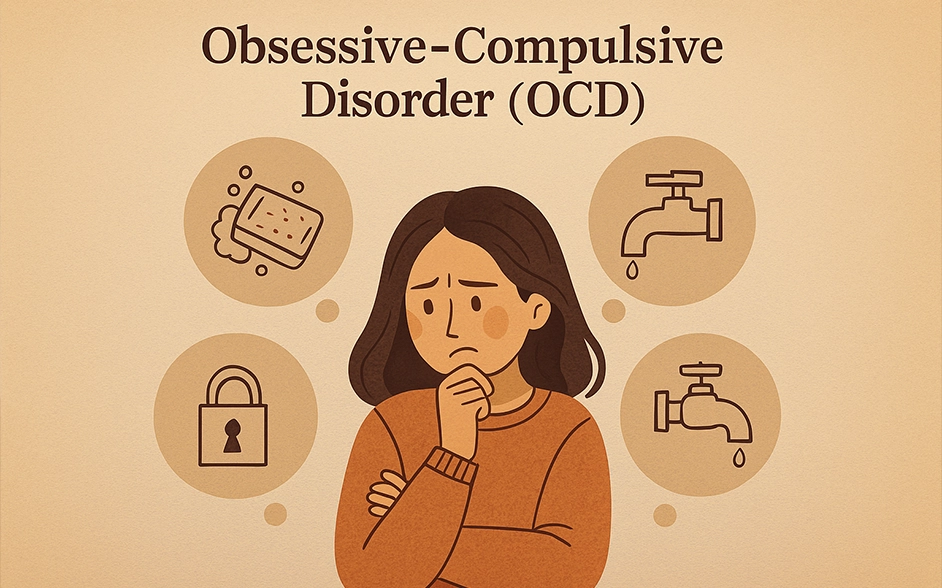
OCD means having obsessions which are repetitive, intrusive thoughts, fears, or images and compulsions of behaviors or mental acts repeated to reduce the anxiety caused by the obsessions. For example, repeatedly washing hands, checking doors, or counting things, even if you know it isn’t helpful.

Causes of OCD

There is no single cause. Some of the known contributors are:

  • Genetic factors (family history)
  • Brain chemistry: imbalances in neurotransmitters like serotonin
  • Environmental factors: stressful life events, trauma, illness
  • Personality traits: tendency toward anxiety, perfectionism

Types of OCD

Some common types include:

  • Contamination OCD: fear of germs, dirt leading to excessive cleaning or avoidance.
  • Checking OCD: repeatedly checking locks, switches, appliances.
  • Intrusive thoughts / Harm OCD: unwanted thoughts about harming self or others.
  • Ordering / Symmetry OCD: arranging things in specific order, needing things “just right”.
  • Pure Obsessional OCD: obsessing, often without obvious compulsive rituals visible.

Treatment Options: What Works

If you or someone you know seeks ocd treatment in Mumbai, or Bangalore, or Delhi, these are the main treatment methods:

  1. Psychotherapy
    o Cognitive Behavioral Therapy (CBT): Helps identify and challenge obsessive thoughts, change reactions.
    o Exposure and Response Prevention (ERP): Gradually exposing to triggers, but resisting the urge to do compulsive behaviours. Thought to be among the most effective.
  2. Medication
    o Doctors often prescribe SSRIs (Selective Serotonin Reuptake Inhibitors) which help balance brain chemistry.
    o Sometimes other medications or augmenting agents are used, under close supervision.
  3. Restorative Medicine / Complementary Therapies
    o Holistic care: meditation, mindfulness, stress management, good sleep, nutrition. This help support psychotherapy and medication.
    o Recovery is not only medical but also includes lifestyle supports.
  4. Intensive / In-Patient / Residential Programs
    o A rehabilitation centre for OCD or specialised inpatient facility can be valuable if symptoms are severe or home environment has many triggers.
    o These centres offer daily therapy, supervised ERP, possibly group therapy, family therapy, and structured routines.
  5.  Follow-Up & After Care
    o OCD is often a long-term condition. Regular therapy, check-ups, maintaining skills learned is essential.

Treatment landscape in Mumbai, Bangalore, & Delhi

  • In Mumbai, there are several ocd specialist’s centers in Mumbai offering CBT and ERP. For example, Dr. Prakhar D. Jain in Mumbai is known to provide personalized OCD treatment including therapy & medication.
  • In Bangalore, centres like Jagruti Rehab provide ocd treatment centers in Bangalore offering both outpatient and more intensive treatment.
  • In Delhi, hospitals like World Brain Center Hospital offer ocd treatment in Delhi with multidisciplinary teams (psychiatrists, psychologists) using both therapy and medication.
  • Rehabilitation and specialised inpatient options are more limited but increasing. Places offering residential or full-time therapy often include significant costs.

Why choose a specialised clinic / Rehabilitation centre

  • Experienced professionals who specifically understand OCD.
  • Facilities to carry out ERP properly and safely.
  • A safe environment away from triggers (for severe cases).
  • Structured routines and consistent support.
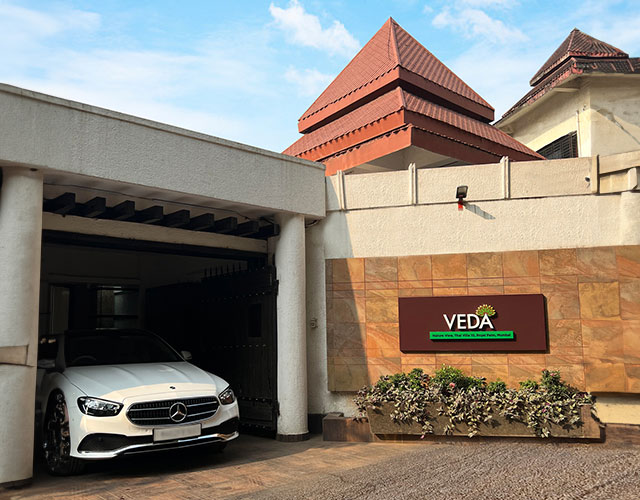
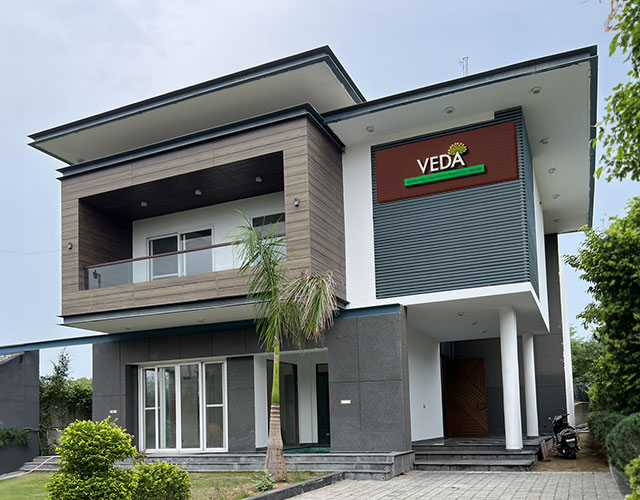
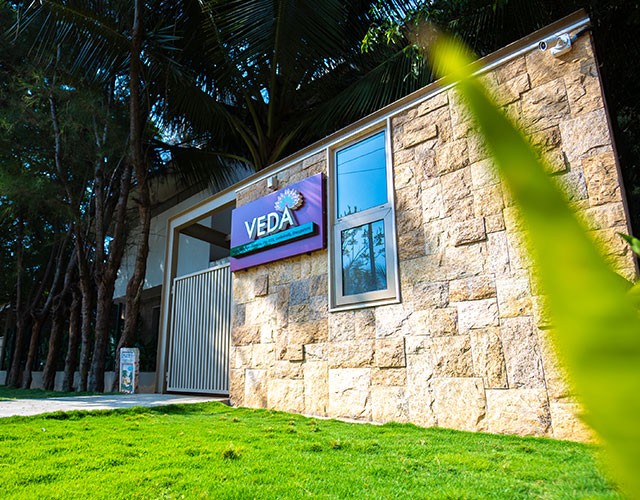
  • Centres like Veda also aim to deliver comprehensive care including psychotherapy, restorative medicine approaches, and long-term follow-up.

FAQs

Q1: How long does OCD treatment last?

It depends on severity. Mild OCD might improve over 3-6 months with therapy and medication. More severe OCD may need longer, sometimes a year or more, to see significant improvement.

OCD may not be “cured” in the sense of never having symptoms again, but many people can reduce symptoms drastically and live relatively normal lives with proper treatment. 

Look for centres offering CBT + ERP, with experienced psychiatrists/psychologists, good reviews, safe environment, and follow-up care. Also consider cost and location. Visiting first, if possible, helps.

“Restorative medicine” refers to treatments that restore balance combining usual medical/psychiatric care with supportive therapies like mindfulness, nutrition, lifestyle change, stress-management. It means not just suppressing symptoms but improving overall well-being.

Many patients benefit from medications (especially SSRIs), especially when symptoms are moderate to severe. Therapy alone can help in mild cases. The best plan is made by specialists after assessment.

Leave A Comment

Your email address will not be published. Required fields are marked *