- Mumbai, Gangtok, New Delhi, Bangalore
- (+91) 81518 30000
- WhatsApp Now
- contact@vedawellnessworld.com
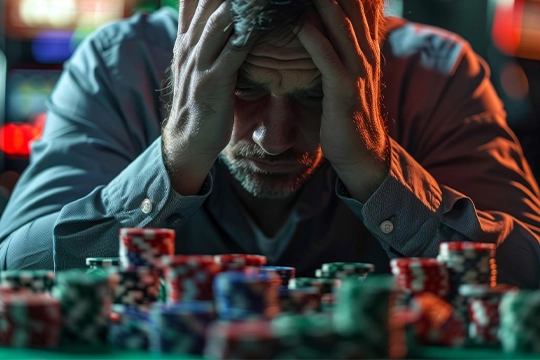
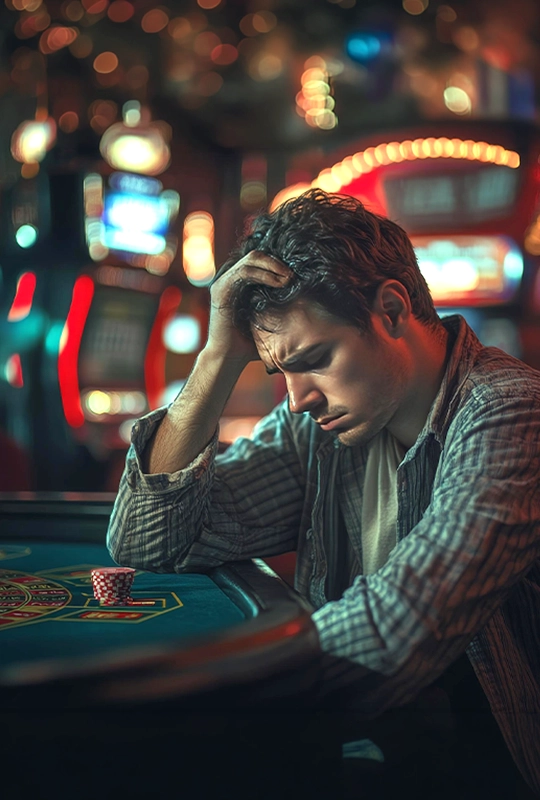
Gambling can begin as harmless fun, a weekend game, a quick bet, a small thrill. For some, it stays that way. For others, it quietly takes over: finances, relationships, sleep, self-worth, all eroded by an urge that feels impossible to control.
If that sounds familiar, you are in the right place.
We offer a boutique inpatient programme limited to just 8 clients at a time, ensuring every person receives deeply personalised attention, premium care, and a real chance at lasting recovery.
Gambling addiction also known as compulsive gambling, pathological gambling, or gambling disorder is a recognised mental health condition classified under behavioural addictions in the DSM-5. It is characterised by persistent, recurrent gambling behaviour that causes significant distress or impairment and cannot be controlled despite the person’s desire to stop.
Unlike casual gambling, a person with gambling disorder is not simply choosing to keep playing. The reward circuitry in the brain, the same pathways activated by substance addiction has been hijacked. Chasing losses, seeking the next big win, and using gambling to escape emotional pain become compulsive, automatic behaviours.
Gambling disorder affects people across all income levels, professions, and backgrounds. With the explosive growth of online betting platforms and fantasy sports apps in India, it is increasingly common in younger adults and increasingly serious.
Early recognition dramatically improves recovery outcomes. Watch for these warning signs:
Gambling addiction does not have a single cause. It develops through the interaction of several factors:
Our approach to treating gambling addiction is comprehensive, personalised, and evidence-based. We address the psychological drivers of the addiction, build practical coping and relapse prevention skills, and support the whole person physically, emotionally, and relationally.
CBT is the most well-researched and effective psychological treatment for gambling disorder. At Veda, our therapists use CBT to help clients identify and challenge the distorted beliefs that sustain gambling, such as the gambler's fallacy ('I'm due a win'), magical thinking, and the illusion of control. Clients learn practical strategies to manage urges, avoid triggers, and develop healthier ways of responding to stress and negative emotions.
DBT builds four core skills directly relevant to gambling recovery: emotional regulation (managing intense feelings without acting impulsively), distress tolerance (surviving urge waves without gambling), interpersonal effectiveness (rebuilding damaged relationships), and mindfulness (staying present rather than escaping into gambling fantasies).
For many individuals, ambivalence about stopping is itself a barrier to treatment. MI is a collaborative, empathetic approach that helps clients explore and resolve that ambivalence, strengthening their own internal motivation to change, rather than relying on external pressure.
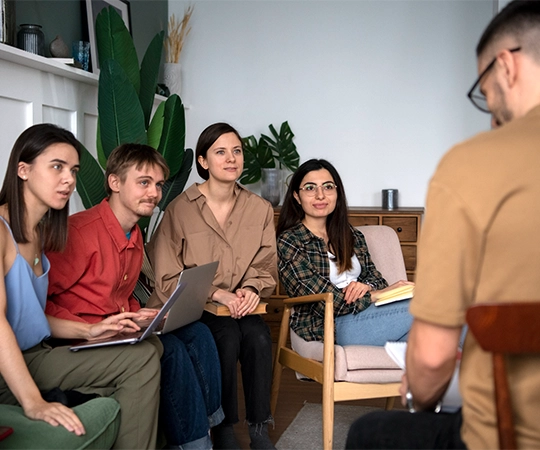
In a small, confidential group therapy, clients share experiences, challenge each other's thinking patterns, and build peer accountability. The shared understanding within a group that others truly know what the addiction feels like, is therapeutically powerful and often a turning point in recovery.
At Veda, we deliberately limit our inpatient capacity to eight clients. This is not a constraint; it is a commitment. It means your therapist knows your story deeply, your care plan is genuinely personalised, and your recovery never gets lost in the crowd.
Here is what makes Veda different from every other gambling rehab in India:
We tailor the level of care to each individual’s clinical needs and life circumstances:
Recovery from gambling addiction does not end on discharge day. Research consistently shows that long-term recovery requires ongoing support, accountability, and a robust personal relapse prevention plan. At Veda, aftercare is built into our programme from the very beginning.
Before discharge, every client leaves with:
Structure is one of the most powerful tools in addiction recovery. Here is a sample daily schedule for our residential clients:

Morning beverage + Physical activity (yoga, pickleball, or gym)

Breakfast (flexible timing) + Personal preparation

Morning gratitude / mindfulness practice

Individual therapy session with psychologist

Therapeutic assignments / psychoeducation; Group discussion (2× weekly)

Lunch + Afternoon free time (~2 hours)

Creative & healing therapies — art therapy, music therapy, or sound healing

Group therapy session / group activity (~1 hour)

Evening wellness — sports, walk, meditation, or mindfulness (~1–1.5 hrs)

Dinner (flexible timing)

Structured wind-down + bedtime
We believe in full transparency. Below are our current rates for the 3-month residential programme:
Accommodation, all meals, treatment programme, daily wellness practices. Taxes included.
Pricing includes accommodation, all meals, treatment programme, and daily wellness practices. All prices inclusive of applicable taxes. Additional costs may apply for specialised prescribed medication, clinical lab tests, and optional complementary therapies.
Take the first step. Call us today for a confidential conversation about gambling addiction treatment in India
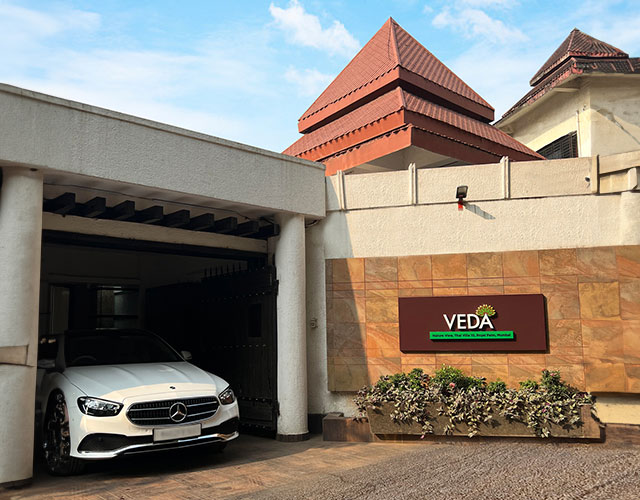
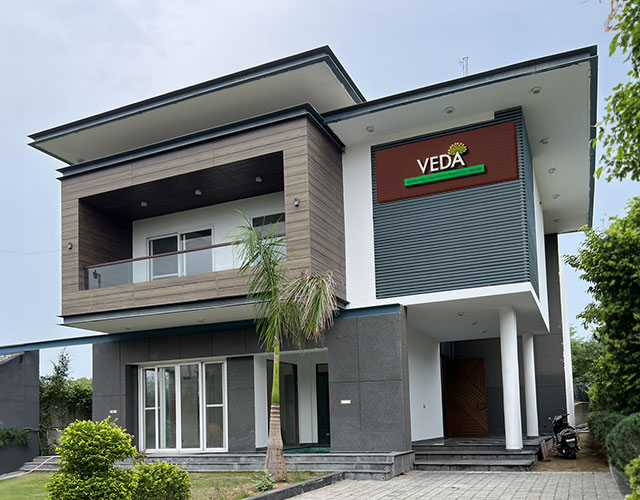
Veda, 18A, Mother Teresa Dr, Dera Village, Fatehpur Beri, New Delhi, Delhi 110074
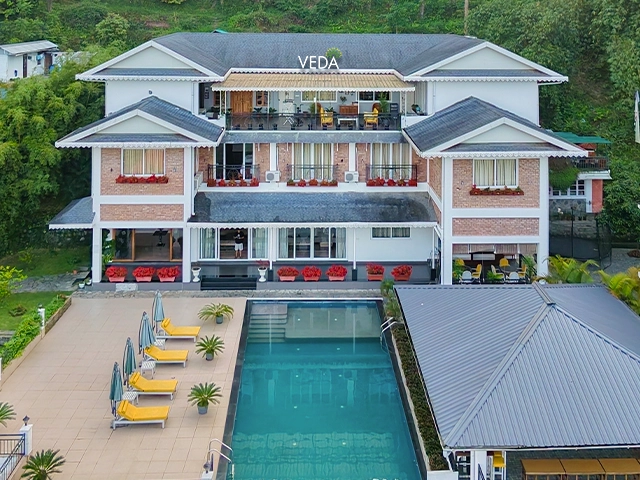
Veda, Thai Villa 10, Nature's View, Royal Palm, Royal Palms Estate, Aarey Colony, Goregaon, Maharashtra 400065
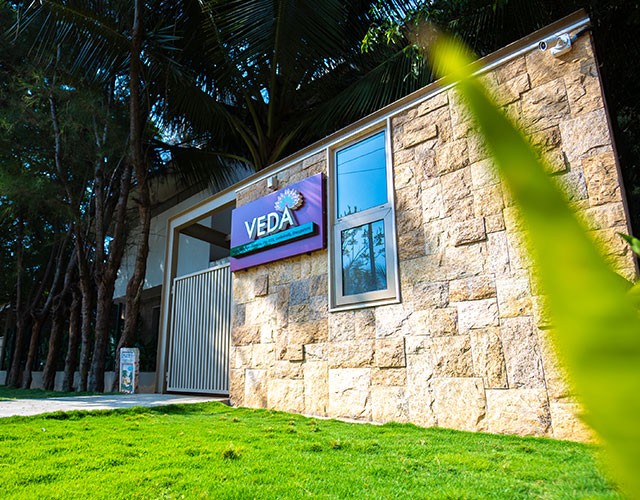
6, Veda, M.S Engineering, college Road, Opp. to Namma Swimming Pool, Navarathna Agrahara, Bengaluru, Karnataka 562157
The key signs include being unable to stop gambling despite wanting to, constantly thinking about the next bet, chasing losses, hiding gambling from family and friends, gambling with money you cannot afford to lose, and experiencing emotional distress — anxiety, irritability, or depression, when not gambling. If several of these apply to you or a loved one, a professional assessment is strongly advisable.
Gambling disorder is a recognised mental health condition classified in the DSM-5. It involves measurable changes in brain chemistry and reward circuitry, the same mechanisms affected by substance addiction. It is not a character flaw, a sign of weakness, or a moral failing. With the right professional support, it is highly treatable.
The strongest clinical evidence supports Cognitive Behavioural Therapy (CBT) as the most effective treatment for gambling disorder. CBT directly addresses the distorted beliefs and urge-driven behaviours that sustain compulsive gambling. At Veda, we combine CBT with Dialectical Behaviour Therapy (DBT), Motivational Interviewing, group therapy, holistic wellness practices, and family counselling for a comprehensive, multi-layered approach.
Our standard residential programme at Veda is 3 months. This duration is supported by clinical evidence, sustained change in behavioural addiction requires adequate time for skill development, emotional processing, and the formation of new habits. Outpatient and IOP options offer more flexible timelines for those who cannot commit to full residential care.
Yes. Online gambling addiction, betting via apps, fantasy sports platforms, online poker, or digital casinos, is treated using exactly the same evidence-based approaches as traditional gambling disorder. At Veda, we specifically address the 24/7 accessibility and psychological design features of digital gambling platforms that make online addiction particularly difficult to manage alone.
Yes, and we strongly encourage it. Gambling disorder has a significant impact on family dynamics, trust, and financial wellbeing. Our structured family counselling sessions, available on weekends or by arrangement, help loved ones understand the condition, rebuild communication, and create a supportive home environment that actively reinforces recovery.
Our residential programme is priced at ₹2.85 lakhs per month for a twin sharing room and ₹4.85 lakhs per month for a private suite, inclusive of all taxes, accommodation, meals, treatment, and daily wellness practices. We believe in full price transparency so families can plan with confidence.
Yes, co-occurring mental health conditions are very common in gambling disorder. Depression, anxiety, ADHD, and bipolar disorder are particularly frequent. This is why our comprehensive assessment examines co-occurring conditions from the outset, and our treatment plan addresses all diagnosed conditions simultaneously rather than treating them in isolation.
This is one of the most common and most painful situations families face. Denial and resistance are features of addiction, not signs that treatment will not work. Contact us for a confidential conversation. Our team can guide you on how to approach the conversation with your loved one, what to do if they refuse, and how intervention processes work. Early professional guidance for families often makes the difference between someone seeking help and continuing to decline it.