Ecstasy (MDMA) Addiction Treatment in India

  • Home
  • Ecstasy (MDMA) Addiction Treatment in India

Understanding Ecstasy: What It Really Is

Ecstasy, also known as MDMA, is a synthetic psychoactive drug often used in clubs, parties, and festivals. It creates a rush of energy, emotional warmth, and sensory enhancement. People feel more connected, confident, and alert for a few hours.

But what starts as a “fun experience” can quickly shift into a dangerous habit. Ecstasy directly affects brain chemicals responsible for mood, memory, sleep, appetite, and emotional regulation. Repeated use burns these systems out, leading to long-term mental and physical harm.

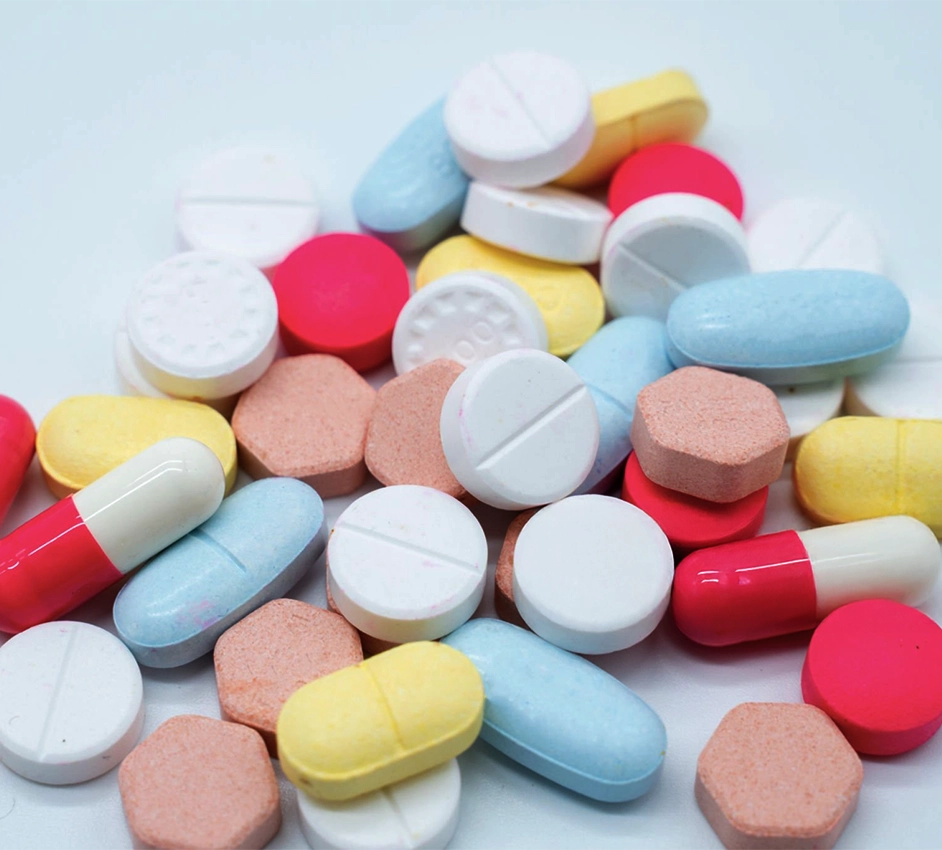
MDMA is usually found in:

  • Bright-colored pills
  • Capsules
  • Powder or crystals (“Molly”)

A major danger is that most ecstasy sold today is not pure MDMA. It is often mixed with methamphetamine, cocaine, ketamine, bath salts, or harmful unknown chemicals. This unpredictability makes the drug far riskier than people assume.

Short-Term Effects of Ecstasy

Many users underestimate the immediate risks because ecstasy is socially marketed as a “party drug.” In reality, the effects can be intense and unpredictable:

  • Sudden bursts of energy
  • Increased heart rate and overheating
  • Excessive sweating or dehydration
  • Blurred vision, jaw clenching, nausea
  • Mood swings after the high wears off
  • Sudden anxiety or panic
  • Risky decision-making

The “comedown” is often severe, leaving people drained, depressed, or emotionally numb for days.

Long-Term Impact of Ecstasy Use

With consistent use, MDMA can cause serious issues such as:

  • Memory problems and poor concentration
  • Difficulty sleeping
  • Anxiety, irritability, and low mood
  • Panic attacks or paranoia
  • Reduced motivation
  • Increased risk of depression
  • Hormone imbalance
  • Severe dehydration and kidney strain
  • Heart complications
  • Cognitive decline (slow thinking, difficulty learning)

Many users describe feeling mentally “flat” or disconnected even when sober. This emotional crash is one of the reasons ecstasy dependences develops and people start taking it again to feel normal.

Signs Someone May Be Struggling with Ecstasy Use

Families often miss the early signs because ecstasy does not always look like a traditional addiction. Look for:

  • Sudden change in social circle or party culture
  • Frequent late nights and irregular sleep
  • Mood swings or emotional sensitivity
  • Social withdrawal during the “comedown” phase
  • Unusual sweating, dehydration episodes, or exhaustion
  • Decline in work or college performance
  • Increased secrecy
  • Higher spending on nightlife
  • Low appetite, weight fluctuations
  • Difficulty concentrating or remembering things

If these patterns appear regularly, it’s time to seek help.

Why Ecstasy Addiction Develops

MDMA causes a dramatic release of serotonin, dopamine, and norepinephrine which are the chemicals that create joy, focus, and energy.

Frequent use damages these pathways. Over time, the brain struggles to produce these chemicals naturally, leading to:

  • Emotional lows
  • Cravings
  • Dependence on the drug for energy
  • Poor stress tolerance
  • Difficulty feeling happiness or motivation

This neurological burnout explains why ecstasy users often feel depressed or empty when they stop taking it.

Veda’s Integrated Ecstasy Addiction Treatment Approach

Recovering from ecstasy addiction requires more than stopping the drug. The brain, nervous system, emotions, and daily habits all need systematic rebuilding.

Veda’s program combines medical care, psychological treatment, and holistic healing to support full recovery. 

1. Clinical Evaluation & Diagnosis

Every client begins with a thorough assessment that includes:

  • Psychological testing
  • Psychiatric evaluation
  • Physical health screening (heart, kidneys, hydration status)
  • Sleep and nutrition assessment
  • Trauma, stress, and emotional triggers

This helps us understand the intensity of use, the impact on daily functioning, and any co-occurring concerns like anxiety or depression.

2. Medical Management & Detox Support

Unlike alcohol or opioids, MDMA does not always require a medical detox. However, the comedown phase can be severe.

Our medical team focuses on:

  • Stabilizing mood
  • Managing anxiety or panic
  • Correcting dehydration and electrolyte imbalance
  • Treating sleep disturbances
  • Monitoring heart health
  • Supporting serotonin recovery

If other substances were mixed with ecstasy (common in today’s party drugs), additional detox protocols are added.

3. Evidence-based Psychological Therapies

The psychological impact of MDMA misuse requires structured therapy. Veda uses:

Cognitive Behavioural Therapy (CBT)

To manage triggers, change thought patterns, and rebuild decision-making skills.

Dialectical Behaviour Therapy (DBT)

To help with emotional regulation and impulsivity.

Motivational Enhancement Therapy (MET)

To strengthen internal motivation for sobriety.

Trauma-Focused Therapy (IFS, EMDR)

If ecstasy was used for emotional escape.

Relapse Prevention Training

Identifying high-risk environments such as nightlife, festivals, peer groups, or emotional triggers.

4. Holistic Healing to Repair the Mind and Body

Ecstasy affects the nervous system deeply. Veda’s holistic modules aim to restore balance:

  • Yoga for grounding and stress relief
  • Meditation & Breathwork for emotional stability
  • Somatic practices to release tension stored in the body
  • Sound healing, Reiki, and relaxation therapies for nervous system repair
  • Creative arts therapy to help reconnect with identity and purpose
  • Nutrition therapy to rebuild serotonin and stabilize mood

Clients gradually regain clarity, focus, and a sense of inner balance.

5. Lifestyle Restructuring & Recovery Planning

Sustainable recovery requires new daily habits.

We help clients learn:

  • Sleep hygiene
  • Meal routines
  • Productive structure
  • Digital and party-culture boundaries
  • Healthy socializing
  • Coping tools for stress and emotional lows

Clients also receive guidance on work-life balance, relationships, and creating long-term stability.

Why Choose Veda for Ecstasy Addiction Treatment

1. A Calm, Private Space Away from Triggers

Ecstasy addiction is tied heavily to nightlife, social circles, and emotional highs. Veda removes clients from this environment and gives them the space to reset.

2. Deep Emotional and Psychological Work

MDMA misuse is often linked to stress, escapism, or low self-worth. Veda’s therapists specialise in helping clients understand the “why” behind the behaviour, not just the behavior itself.

3. 1:1 Therapy Every Day

This level of attention is rare. It allows clients to process emotions, build insight, and heal at a deeper pace.

4. A Balanced Blend of Medical, Psychological and Holistic Care

Ecstasy drains the nervous system. Veda focuses on restoring it through yoga, mindfulness, nutrition, breathwork, and trauma-informed therapy.

5. A Warm, Non-Judgmental Culture

Clients feel genuinely cared for. Many describe it as a comforting, homelike environment and not a hospital.

6. Strong Aftercare Support

Sobriety continues after discharge. Veda stays connected through structured follow-up therapy and relapse prevention planning.

FAQs Related to MDMA Addiction and Treatment

Q1. Is ecstasy really addictive?

Yes. While not always physically addictive, MDMA creates strong psychological dependence due to the emotional high and social context of use.

Every person is different. Most clients take 30-90 days to stabilise emotionally and mentally.

Repeated ecstasy use lowers serotonin levels, which can lead to long-lasting mood issues, anxiety, or emotional numbness.

Patterns matter more than frequency. Even occasional use can lead to psychological dependence or risky behaviour.

Yes. Many users mix MDMA with alcohol, weed, cocaine, or ketamine. Veda provides integrated treatment for all substances.

Absolutely. All treatment at Veda is private and discreet, especially for professionals, students, and public figures.

Yes. Therapy helps rebuild emotional regulation, reduce guilt, and create healthier coping strategies.

What is Ecstasy (Molly)?

Ecstasy commonly known as Molly, MDMA, XTC, or Scooby Snacks is a synthetic psychoactive drug primarily used as a party substance. Scientifically called 3,4-Methylenedioxymethamphetamine, Ecstasy is made in illegal labs using harmful chemicals and is typically found in pill or powder form. 

Though it may initially create feelings of euphoria, emotional warmth, and enhanced energy, the long-term mental and physical risks make it an extremely dangerous substance. At Veda Rehabilitation and Wellness, we provide expert, confidential, and customized treatment for Ecstasy addiction across India. 

The Rise of Ecstasy Use in India

The use of Ecstasy is rapidly increasing, especially among urban youth in cities like Mumbai, Delhi, Goa, and Bengaluru. Due to its affordability, usually around ₹1200 per pill, this drug is becoming accessible not just to elite partygoers but also to middle-class teenagers and young adults. 

Most of the Molly used in India is illegally imported, often laced with unknown substances, increasing its risk profile and unpredictability. Peer pressure, curiosity, stress, and a desire for escapism are common factors driving its consumption. 

How Ecstasy Affects the Brain and Body


Ecstasy interferes with the brain’s serotonin system, which regulates mood, sleep, memory, and emotional stability. While it offers a short-lived “high,” the consequences can be long-lasting and dangerous. 


Short-Term Effects: 

  • Temporary euphoria and energy  
  • Reduced need for sleep, food, or water 
  • Increased empathy and sociability 
  • Blurred vision and involuntary jaw clenching 
  • Hallucinations and hyperactivity 

Long-Term and Dangerous Effects:  

  • Brain damage due to serotonin depletion 
  • Memory loss and confusion 
  • Severe depression or emotional crashes 
  • High fever, chills, dehydration 
  • Kidney failure or heart irregularities 

Long-term cognitive decline and drug cravings 

Performing routine activities such as driving, exercising, or swimming becomes highly unsafe under the influence of MDMA. 

Why Ecstasy is So Dangerous

Unlike regulated medications, Ecstasy is often cut with toxic fillers or combined with other substances like methamphetamine or cocaine. This increases the chances of overdose, organ failure, or fatal arrhythmias, especially when mixed with alcohol or used in crowded party settings where users often forget to hydrate or rest. 

Even after the initial high fades, users can suffer from “comedown crashes” marked by fatigue, depression, paranoia, and suicidal thoughts. 

Treatment for Ecstasy Addiction at Veda Rehabilitation and Wellness

At Veda Rehab, we treat Ecstasy addiction through a structured and holistic program designed for lasting recovery. Our luxury rehab centers in Delhi, Mumbai, and other cities provide: 

  • 24/7 medical and psychiatric care 
  • Detoxification programs under expert supervision 
  • CBT, DBT, and trauma-informed therapy to rebuild emotional resilience 
  • Yoga, mindfulness, and holistic wellness support 
  • Individual and family counseling 
  • Confidential admissions and post-recovery planning

We tailor every treatment plan based on the individual’s physical, emotional, and psychological needs. 

Get Help for Ecstasy Abuse Today

If you or your loved one is struggling with Ecstasy or Molly addiction, early intervention is critical. Veda Rehabilitation and Wellness offers expert care in a discreet, non-judgmental environment, empowering individuals to reclaim control over their lives.