Electra Complex Treatment with Best Therapy

  • Home
  • Electra Complex Treatment with Best Therapy

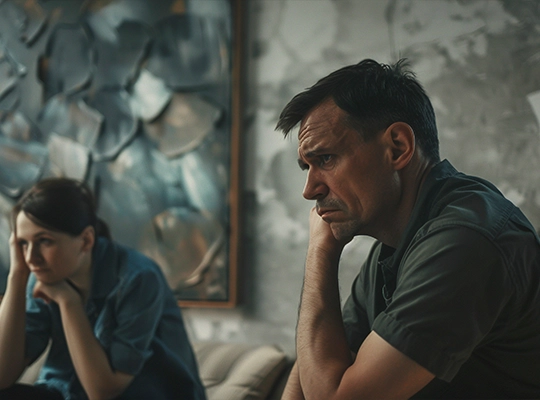
Something doesn’t feel right. You may be a parent watching your daughter push her mother away while becoming intensely focused on her father and you don’t know whether this is a normal phase or something that needs support. Or you may be an adult woman who recognises, perhaps for the first time, that the patterns in your closest relationships the men you choose, the women you feel threatened by, the relationship with your own mother that never healed trace back further than you thought.

At Veda Wellness, we have treated this presentation many times. We know what it looks like in a five-year-old, in a fifteen-year-old, and in a forty-year-old who has carried it silently for decades. And we know how to treat it not with judgement, not with a rigid protocol, but with clinical precision and genuine human care.

Veda is India’s premium mental wellness and rehabilitation provider, with specialist centres in Mumbai, Delhi, and Bangalore. This page explains exactly how Veda treats Electra Complex-related emotional patterns the process, the therapies used, what recovery looks like, and how to begin.

Signs the Electra Complex Needs Professional Treatment

Not every girl who is close to her father requires therapy. The Electra Complex becomes a clinical concern when the emotional patterns it creates begin to disrupt daily life, relationships, or psychological wellbeing. Below are the specific presentations we most commonly treat at Veda.

In Girls Aged 3–10: When to Seek Help

  • Persistent exclusion behaviour — Actively trying to remove the mother from interactions with the father over many months
  • Regression and distress — Bedwetting, sleep refusal, or tantrums specifically triggered by parental intimacy
  • Mother-directed aggression — Verbal hostility or physical rejection of the mother beyond normal boundary-testing
  • Extreme jealousy responses — Meltdowns when the father shows affection to the mother or a sibling
  • Hypersexualised play or language — Inappropriately adult language or role-play about marrying or ‘owning’ the father

In Adolescent Girls (Ages 11–18): When Patterns Escalate

  • Intense maternal conflict — Arguments that go beyond normal teenage rebellion — rooted in rivalry and resentment
  • Idealisation of the father — Holding the father to a standard no romantic partner can meet
  • Difficulty with female authority — Consistent conflict with female teachers, coaches, or employers
  • Unhealthy relationship choices — Dating significantly older boys or men as a pattern, not an exception
  • Low self-worth vs. other women — Persistent comparison with and jealousy toward other females

In Adult Women: Unresolved Childhood Patterns

  • Emotional dependency on male approval — A constant need for validation from male figures to feel worthy
  • Repeated relationships with unavailable or older men — A compulsive pattern that mirrors the original dynamic
  • Competitive dynamics with women — Difficulty forming close female friendships; viewing women as rivals
  • Unresolved mother relationship — Persistent estrangement, resentment, or an inability to have a healthy adult relationship with one’s own mother
  • Chronic self-worth issues — Feeling ‘second-best’, overlooked, or fundamentally unworthy of love — traced to early attachment wounds

If you recognise three or more of these patterns in yourself or your child, a professional assessment at Veda can provide immediate clarity and a personalised treatment plan.

Veda's Clinical Treatment Approach for Electra Complex

Our treatment model is not based on a single protocol. We take an integrative, root-cause approach that begins with a comprehensive psychological assessment and results in a personalised care plan. Here is how the process works.

Comprehensive Psychological Assessment (Sessions 1–2)

Before any therapy begins, your assigned psychologist conducts an in-depth assessment covering:

  • Developmental history and early childhood attachment experiences
  • Current symptom profile and functional impact on daily life
  • Family system dynamics including the current quality of both parental relationships
  • Any co-occurring conditions such as anxiety, depression, BPD traits, or attachment disorders
  • For adults: relationship history, recurring patterns, and self-reported emotional triggers
This assessment informs the therapy modalities selected and the sequence in which they are applied. You will receive a clear written treatment roadmap after the second session.

Individual Therapy — Processing the Root Cause

The core of treatment targets the emotional wound itself: the unmet need for paternal connection, the internalised rivalry with the mother, and the relational patterns these experiences created. Individual therapy at Veda for Electra Complex typically involves:

  • Psychodynamic work — Bringing unconscious attachment patterns into conscious awareness so they can be examined and changed
  • Attachment-based therapy — Rebuilding a secure internal working model through a consistent, corrective therapeutic relationship
  • Schema identification and restructuring — Identifying deeply held beliefs such as 'I am only lovable if I am my father's favourite' or 'Women are my competition' and systematically rewriting them
  • Emotion regulation training — Teaching clients to process jealousy, rejection, and rivalry without behavioural dysregulation

Family and Relational Therapy

Electra Complex does not exist in isolation — it is shaped by and continues to affect the whole family system. Our family therapy component:

  • Helps parents recognise how their dynamic may have contributed to the attachment imbalance
  • Rebuilds a warm, boundaried relationship between the mother and child
  • Coaches the father on how to be loving without being inadvertently exclusive
  • For adult clients, couples sessions are available to address how these patterns are playing out in the current relationship

Consolidation, Relapse Prevention & Life Integration

The final phase of treatment focuses on embedding lasting change. Clients learn to recognise when old patterns are re-emerging, develop personalised coping tools, and build a sustainable vision of healthy relationships. We do not discharge clients abruptly, we taper support gradually and offer maintenance sessions as needed.

Therapy Modalities Used in Electra Complex Treatment at Veda

Our team selects from the following evidence-based modalities based on the individual assessment. Multiple therapies are often combined for the most effective outcome.

Therapy Modality What It Addresses Typical Duration
Psychodynamic Therapy Unconscious father-attachment patterns, early relational wounds 12–24 sessions
Cognitive Behavioural Therapy (CBT) Negative self-beliefs, relationship sabotage, cognitive distortions 8–16 sessions
Dialectical Behaviour Therapy (DBT) Emotional dysregulation, identity instability, impulsive relationship decisions Ongoing module-based
Attachment-Based Therapy Re-patterning insecure attachment schemas formed in childhood 16–24 sessions
Play & Art Therapy (children) Emotional expression in pre-verbal or non-verbal children aged 3–12 10–20 sessions
Family Systems Therapy Parental dynamics, mother-daughter conflict, household equilibrium 6–12 family sessions
Schema Therapy Deeply entrenched emotional patterns from early parental experiences 20+ sessions
EMDR (trauma-informed) Where Electra-linked patterns stem from emotional abuse, neglect or trauma 6–12 EMDR sessions

What to Expect: The Veda Patient Experience

We understand that reaching out for help, especially for something as sensitive as childhood attachment dynamics or adult relationship patterns takes courage. Here is what you can expect from the moment you contact us.

Trusted alcohol rehabilitation centre with experienced addiction specialists

Step 1 → Confidential Enquiry

Call or WhatsApp our team at (+91) 81518 30000, or submit an online enquiry. A client coordinator will respond within 24 hours to discuss your concerns in complete confidence.

Trusted alcohol rehabilitation centre with experienced addiction specialists

Step 2 → Initial Consultation

You will be matched with a psychologist or psychotherapist specialising in attachment and family dynamics. This 60-minute session is the first step in understanding whether and how Veda can help.

Trusted alcohol rehabilitation centre with experienced addiction specialists

Step 3 → Personalised Treatment Plan

Based on the assessment, your therapist presents a written treatment plan including recommended modalities, session frequency, estimated duration, and goals.

Trusted alcohol rehabilitation centre with experienced addiction specialists

Step 4 → Therapy Begins

Regular sessions commence at a pace that feels manageable for the client and family. Progress is reviewed every 6–8 sessions and the plan is adjusted where needed.

Trusted alcohol rehabilitation centre with experienced addiction specialists

Step 5 → Integration & On-going Support

As treatment concludes, your therapist provides a personalised aftercare guide, self-help tools, and access to maintenance sessions. You can also switch between Veda centres in Mumbai, Delhi, and Bangalore for continued care.

Treatment Outcomes: What Healing from Electra Complex Looks Like

Our clients come to us with pain. They leave with insight, tools, and fundamentally different patterns. Here are the outcomes our clients report following treatment:

Before Treatment After Treatment at Veda
Intense jealousy and rivalry with the mother A repaired, adult mother-daughter relationship built on mutual respect
Recurring attraction to emotionally unavailable or much older men Healthier, more equitable relationship choices based on genuine compatibility
Emotional outbursts around paternal attention Regulated emotional responses and secure attachment to both parents
Conflict with female peers, managers, or authority figures Collaborative relationships with women free from competitive dynamics
Low self-worth tied to male validation An internally anchored sense of self-worth independent of external approval
Unspoken guilt, jealousy, or confusion Clarity about the origins of these feelings and tools to move through them

Why Families Across India Choose Veda for Electra Complex Treatment

There are many wellness providers in India. Veda occupies a distinct position not because we are the largest, but because we combine clinical depth with a genuinely human approach to care.

1. Specialists in Attachment and Family Psychology

Electra Complex is fundamentally about attachment, and attachment is our speciality. Our team includes child and adult psychologists, psychotherapists, and family systems therapists with specific training in early relational wounds, parental bonding disorders, and psychodynamic approaches. You will not be assigned a generalist.

2. Age-Appropriate, Culturally Sensitive Care

India's family structures, gender expectations, and cultural narratives around parental attachment are unique. Our therapists work within the cultural context of the client not against it. Whether your child is 4 or your client is a 40-year-old woman, the care is designed around their specific emotional maturity, background, and family dynamic.

Mental and physical detox for alcohol addiction under medical supervision

3. A True Integrative Model

We do not use a single therapy protocol for every Electra Complex case. Your child or adult family member receives a combination of approaches psychodynamic work, CBT, family therapy, body-based practices sequenced specifically for their presentation. Progress is tracked and the plan is revised as needed.

4. Holistic Healing Environment

At our luxury residential facilities in Mumbai, Delhi, and Bangalore, emotional healing is supported by the whole environment. Clients benefit from yoga, mindfulness, art therapy, personalised nutrition, and a serene natural setting, elements that accelerate emotional processing and regulation.

5. Complete Confidentiality

We know how deeply personal these dynamics are. Every aspect of your engagement with Veda from your first call to your last session is handled with complete discretion. No records are shared without your explicit consent. This is non-negotiable at Veda.

6. Continuity Across Cities

If you begin treatment in Mumbai and need to continue in Delhi or Bangalore, your care follows you. Our clinical records system and therapist handover protocols ensure complete continuity no starting from scratch.

FAQs About Electra Complex Treatment

Can adults be treated for the Electra Complex, or is it only for children?
Absolutely. Many adults seek therapy for Electra Complex-related patterns especially women who notice recurring issues in romantic relationships, persistent conflict with female authority figures, or an intense, unresolved bond with their father. Psychodynamic therapy, schema therapy, and attachment-based therapy are highly effective for adults.

Treatment duration depends on severity and life stage. A child presenting mild attachment patterns may respond within 10–15 sessions. Adults with deeply entrenched relational patterns may benefit from 20–40 sessions over 6–12 months. Our team conducts a thorough initial assessment and provides a clear treatment roadmap at the outset.

The Electra Complex is not a standalone DSM-5 diagnosis. However, the attachment disruptions, emotional patterns, and relational difficulties it produces such as anxious attachment, identity disturbance, emotional dependency, or chronic conflict are recognised clinical presentations treated effectively by our specialists.

At Veda, we use a family-inclusive model. Especially for younger children, parents are essential partners in the healing process. We conduct dedicated parent coaching sessions alongside individual child therapy to create a balanced, consistent environment at home.

We offer both in-person therapy at our centres in Bangalore, Delhi, and Mumbai, as well as structured online therapy programmes for clients who are unable to attend in person. Contact our team to discuss the right format for your situation.

Some degree of father attachment and mother-rivalry is developmentally normal in girls aged 3–6. The concern arises when these patterns persist beyond age 7–8, intensify during adolescence, cause significant distress, or begin to affect school performance, friendships, or family relationships. If you are unsure, a single consultation with our child psychologist can provide clarity.