LSD (Acid) Addiction Treatment at Veda Rehabilitation & Wellness

  • Home
  • LSD (Acid) Addiction Treatment at Veda Rehabilitation & Wellness

What is LSD?

LSD (Lysergic Acid Diethylamide), commonly called acid, is a powerful hallucinogen that alters how the brain processes reality. It affects perception, emotion, thinking, and sense of self.

People use LSD for curiosity, escape, or “mind-expansion,” but the experience can be unpredictable.

A single dose can lead to:

  • visual distortions
  • intense emotional swings
  • altered sense of time
  • spiritual-like experiences
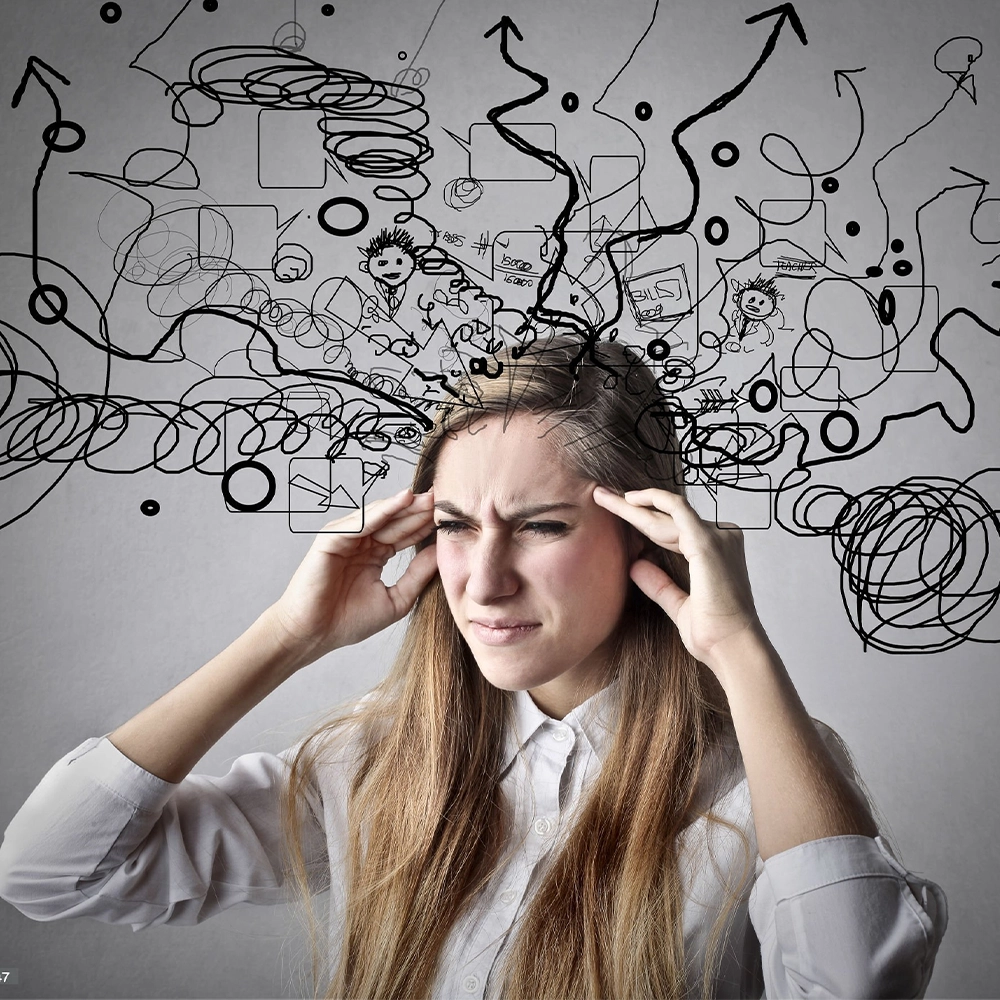
  • confusion or paranoia

Unlike many substances, LSD does not usually cause physical dependence.

However, it can create psychological dependence, especially when people start using it repeatedly to escape stress, numb emotions, or chase intense sensory experiences.

Why LSD Misuse is More Common Today

Modern patterns show rising use among:

  • college students
  • young professionals
  • tech and creative industries
  • festival and rave culture

Many users assume LSD is “safe because it’s not addictive.”

But frequent use can severely affect mental health, increase anxiety, destabilize mood, and blur the boundary between imagination and reality.

2 Why LSD Misuse is More Common Today

Short-Term Effects of LSD

LSD changes the way the brain’s serotonin system works. The immediate effects usually include:

  • heightened colors, sounds, and senses
  • distorted visual patterns
  • rapid mood shifts
  • difficulty focusing
  • increased heart rate
  • trembling or sweating
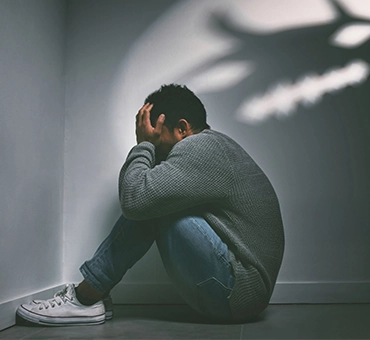
  • panic, fear, or paranoia

A “bad trip” can cause:

  • severe anxiety
  • hallucinations that feel threatening
  • loss of control
  • intense confusion

These episodes can last several hours.

Long-Term Impact of LSD Misuse

Repeated LSD use can lead to long-lasting psychological difficulties:

  • anxiety and panic disorders
  • emotional instability
  • memory lapses
  • difficulty staying grounded in reality
  • dissociation or detachment
  • depression
  • persistent hallucinations (HPPD: Hallucinogen Persisting Perception Disorder)

Some people develop flashbacks and sudden re-experiencing of LSD-like sensations weeks or months later.

LSD’s long-term risks are often underestimated because it is not considered physically addictive.

Signs for Someone Using LSD

LSD dependence shows up in behavior, not cravings.

Watch for:

  • increasing need for emotional escape
  • over-interest in spirituality, “ego death,” or mind-altering states
  • difficulty handling stress without drugs
  • withdrawing from family or routine life
  • unpredictable mood or anxiety spikes
  • unusual sleep patterns
  • difficulty focusing at work or college
  • talking about “needing clarity” or “needing to reset” through a trip
  •  repeated use despite past bad experiences

A person may not appear addicted, but their emotional reliance is often high.

Why LSD Requires Professional Treatment

LSD does not cause physical withdrawal, but its psychological effects can be intense.

People often need help when they experience:

  • panic attacks
  • paranoia
  • depersonalization (feeling disconnected from self)
  • trouble distinguishing imagination from reality
  • emotional flattening after frequent use
  • difficulty stabilizing their thoughts

Treatment becomes essential when everyday functioning is affected like work, relationships, sleep, decisions, and emotional safety.

How Veda Treats LSD Misuse and Psychological Dependence

Veda’s treatment approach focuses on stabilizing the mind, strengthening emotional regulation, and restoring clarity.

Our program blends clinical, psychological, and holistic methods.

1. Comprehensive Clinical Evaluation

Every client receives:

  • psychiatric assessment
  • psychological testing
  • screening for anxiety, depression, trauma
  • sleep and nutrition evaluation
  • assessment for HPPD or dissociation

This helps identify how LSD has affected the brain, behaviour, and emotional health.

2. Emotional & Psychological Treatment

Therapy is the core of LSD recovery.

a) Cognitive Behavioural Therapy (CBT)

b) Dialectical Behaviour Therapy (DBT)

c) Trauma-Informed Therapy

d) Mindfulness-Based Therapy

e) Relapse Prevention

f) Somatic Therapy

3. Medical support when needed

While LSD doesn’t require detox, some clients experience:

  • panic episodes
  • psychosis-like symptoms
  • severe anxiety
  • sleep disruption

Veda’s medical team provides:

  • medication for short-term stabilization
  • monitoring for safety · treatment for co-occurring conditions like bipolar disorder or PTSD
  • management of flashbacks or HPPD

4. Holistic healing to repair the Mind-Body system

LSD impacts the nervous system.

Veda supports recovery through:

  • Yoga for grounding and slowing down overactive thoughts
  • Breathwork to manage fear and panic
  • Meditation to rebuild calm without drugs
  • Sound healing to regulate the nervous system
  • Nature walks and movement therapy to reconnect with reality
  • Creative arts therapy to express overwhelming emotions safely
  • Nutrition therapy to support brain health and mood

These tools help clients regain stability and emotional balance.

5. Family guidance & support

Families often feel confused because LSD misuse does not look like typical addiction.

Veda offers:

  • family counselling
  • education about hallucinogens
  • communication strategies
  • guidance on boundaries
  • support for reintegration after treatment

This keeps the recovery environment stable and understanding.

6. Building a healthy post-LSD lifestyle

Clients learn:

  • emotional coping skills
  • stress management
  • structured routines
  • sleep regulation
  • healthy social habits
  • reducing exposure to triggers (party culture, certain peer groups, festival environments)

LSD recovery is about creating a grounded, steady lifestyle.

Trending Issues in LSD Misuse

1. Microdosing Culture

Many young professionals are using LSD in tiny doses for “productivity.”

This can lead to emotional instability, dependence on altered states, and unpredictable mental-health effects.

2. Rise in online drug access

Dark web forums and social media channels make LSD more accessible and harder for families to monitor.

3. Increasing cases of HPPD

More people are reporting long-term visual disturbances, even after stopping LSD.

4. Mixing LSD with Weed, MDMA, or Alcohol

This leads to stronger hallucinations, panic attacks, or dangerous behavior.

5. Tech and Creative Sector Use

LSD is marketed as a “creativity enhancer,” but repeated use damages emotional stability.

Why Choose Veda for LSD Addiction Recovery

A deeply stabilizing environment

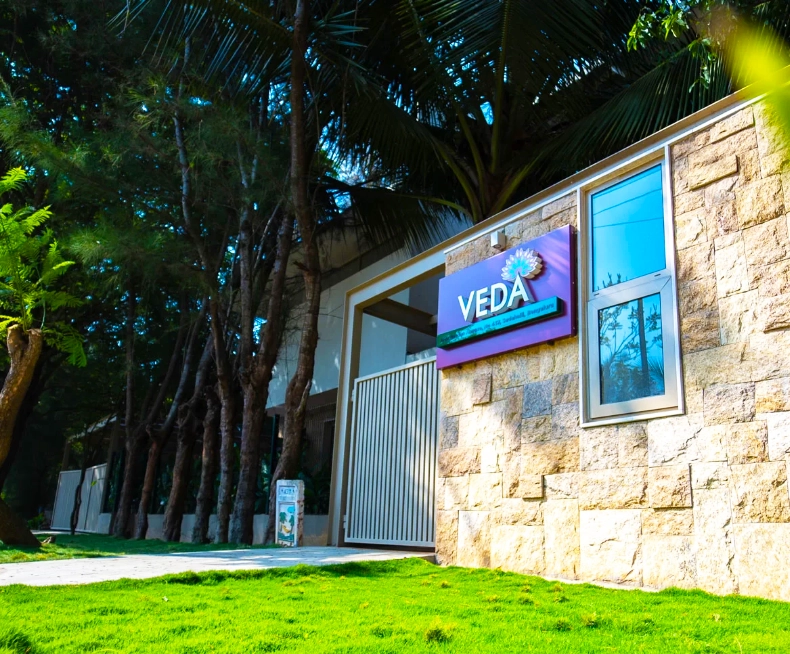
LSD recovery requires calm, structure, and emotional safety. Veda’s nature-connected spaces create the right atmosphere for grounding and clarity.

1:1 Therapy every day

This level of personal support helps clients process confusion, fear, and emotional overwhelm faster.

A balanced mix of science and holistic healing

LSD misuse affects the nervous system and emotional world.

Veda blends psychotherapy, psychiatry, yoga, mindfulness, breathwork, creativity, and somatic work to rebuild both.

Care that feels human

Clients describe Veda as warm, supportive, and non-judgmental.

This matters deeply for LSD users who often feel misunderstood.

Privacy & confidentiality

Especially important for professionals, students, entrepreneurs, and public figures.

Strong aftercare support

Grounding, stability, and routine-building continue through follow-up sessions
Frequently Asked Questions on LSD Addiction & Treatment

1. Is LSD physically addictive?

No, but people can develop a strong psychological dependence on the emotional escape or sensory experience.

The effects last 8–12 hours, but emotional and cognitive changes can last days or weeks.

Some people develop HPPD or long-lasting anxiety. Early treatment reduces risks.

Yes. Veda provides grounding therapy, psychiatric stabilization, and emotional regulation tools.

Microdosing can still create psychological dependence and mood problems. Treatment helps address this pattern safely

It can worsen anxiety, depression, or trauma symptoms in vulnerable individuals.

Most clients need 30–90 days to stabilize emotionally, depending on frequency of use.

Family understanding improves outcomes. Veda offers structured guidance for relatives.