- Mumbai, New Delhi, Bangalore
- (+91) 81518 30000
- WhatsApp Now
- contact@vedawellnessworld.com
Let’s be clear: embarking on recovery isn’t about perfection, it’s about progress, persistence, and gentle self-compassion. Here’s a question-and-answer guide to help navigate the journey, informed by evidence, and designed for lasting recovery.
Data paints a revealing picture. Estimates show 58% of Americans have viewed porn at least once, with about 27% doing so in the last month. Gender differences persist: roughly 69% of men versus 40% of women report looking at porn and men are about 20% more likely to download pornographic content. In self-reported addiction, one U.S. study from 2025 found 10.3% of men and 3% of women felt addicted. Globally, clinics estimate that as many as 50% of men and 25% of women experience problematic levels of use.
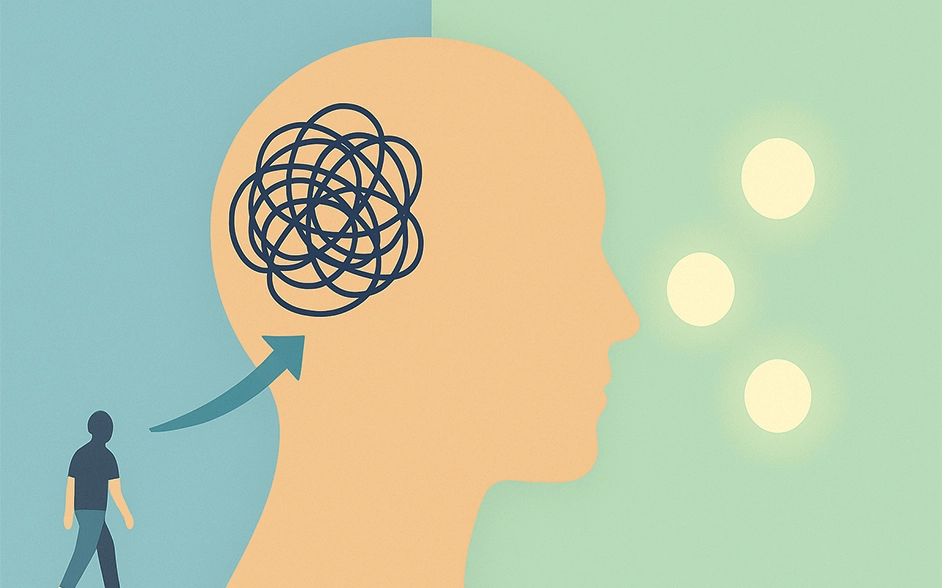
Excessive porn use isn’t mere entertainment; it can rewire brain circuits. Heavy consumption is linked to reduced gray matter in motivation and decision-making regions, desensitization to real-life intimacy, and in some young men, erectile dysfunction impacting about 23% of those under 35. Other consequences include reduced sexual satisfaction, increased cravings for more extreme content, depression, anxiety, and impaired daily functioning.
The adult industry is both massive and evolving. The online adult entertainment market grew from US $70.9 billion in 2023 to $76.2 billion in 2024, with projections reaching $118 billion by 2030. The digital adult content market is set to grow from $56.6 billion (2025) to $90.6 billion (2030), with Asia-Pacific leading growth and North America dominating share. The broader sextech market including immersive technologies was valued at $42.6 billion in 2024, expected to near $108 billion by 2030. New frontiers like VR porn (platforms such as SexLikeReal, BaDoinkVR) and AI-generated deepfake content are rapidly rewriting access and engagement. These realities underscore why accessibility and novelty keep habits alive.
Recovery touches many pathways, not every road suits every person, but many lead to hope:
Here’s a structured, evidence-informed roadmap:
| Step | Action |
|---|---|
| 1. Clarify Your Why | Understand your personal reasons: relationships, mental clarity, values. Internal motivation is powerful. |
| 2. Assess Impact Honestly | Reflect on how porn use affects your daily life, work, intimacy, and emotional health. Self-awareness is crucial. |
| 3. Limit Access Strategically | Use filters, remove apps, or enlist an accountability partner. Create environmental friction. |
| 4. Replace Rather Than Eliminate | Develop new routines: exercise, creative outlets, reading, time in nature avenues that replenish reward systems. |
| 5. Build Accountability & Support | Share your goals discreetly this might be via therapy, trusted friend, or structured groups like SAA. |
| 6. Seek Professional Support When Needed | If habitual use persists or distress grows, engaging a therapist, especially for CBT or relapse prevention, is wise. |
| 7. Practice Self-Compassion and Reflect | and Reflect Expect relapses without shame. Celebrate small victories, and reset when needed. Recovery is a winding path, not a sprint. |
Absolutely. Addiction recovery even to pornography isn’t linear. Some days feel easier than others. The goal isn’t never to falter, but to get back up. Make peace with progress, not perfection. Keep a reflective journal or tracker, adjust strategies when needed, and lean on community or therapeutic anchors when fatigue sets in.
Recovery is possible anchored in clarity, perseverance, and self-compassion. This FAQ-style roadmap offers practical steps, grounded in real data and thoughtful guidance. Whether you’re just questioning your habits or already on the path of change, know that each effort, no matter how small builds momentum toward stability.