Alcohol Use Disorder (AUD) in the U.S.: Symptoms, Treatment, Withdrawal & Recovery Timeline

  • Home
  • Addiction
  • Alcohol Use Disorder (AUD) in the U.S.: Symptoms, Treatment, Withdrawal & Recovery Timeline

Alcohol use is woven into American culture. Social events, work dinners, weekend plans, and even family gatherings often revolve around it. But somewhere between “a few drinks to unwind” and “I need a drink to function,” many people cross the line without even realizing it.

Today, Alcohol Use Disorder (AUD) is one of the most common yet least spoken-about mental health issues in the United States. Millions struggle silently because they don’t want to be judged, labelled, or misunderstood.

If you’re reading this because you’re worried about your drinking, or someone else’s, you’re already taking the first brave step. This guide will walk you through AUD symptoms and signs, early red flags, alcohol addiction treatment options in the U.S., detox and withdrawal timeline, and what the overall alcohol recovery timeline looks like.

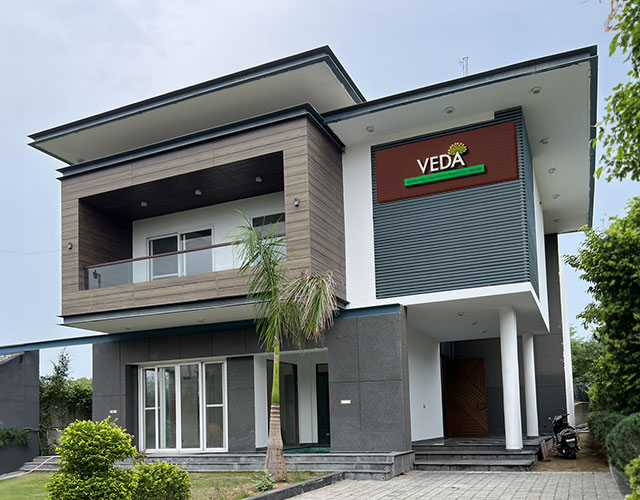
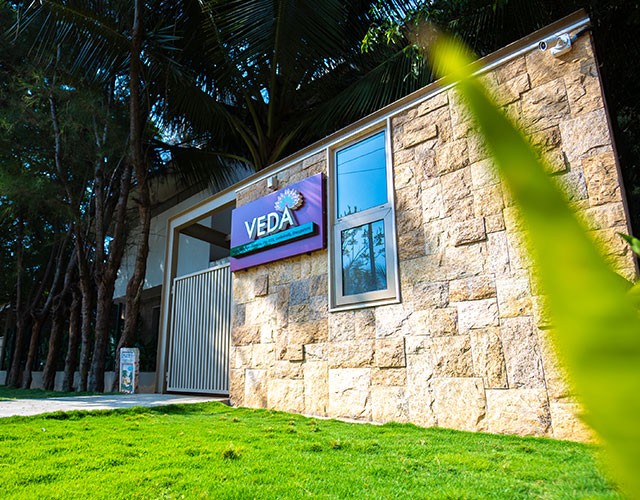
And if you’re wondering why many Americans still travel halfway across the world to recover at Veda Rehabilitation & Wellness in India, we’ll talk about that too.

What is Alcohol Use Disorder (AUD)?

Alcohol Use Disorder is more than “drinking too much.” It’s a medical condition where a person loses control over their drinking, keeps consuming alcohol despite harm, and experiences cravings or withdrawal when they try to stop.

AUD exists on a spectrum. You don’t need to hit “rock bottom” to qualify. Even high-functioning professionals like CEOs, doctors, athletes, parents can meet criteria for AUD without anyone noticing.

Early signs of Alcohol Addiction

Most people don’t realize they have a problem until someone else points it out. But the earlier you notice it, the better the chance of recovery.

Here are some simple early signs of alcohol addiction to look for:

  • Drinking more than planned
  • Drinking more often than before
  • Needing alcohol to relax, sleep, or “feel normal”
  • Hiding bottles or drinking alone
  • Mood swings or irritability
  • Struggling with concentration or low energy
  • Pulling away from family or responsibilities
  • Feeling guilty after drinking
  • Trying to cut down but not being able to

If even two or three of these feel familiar, it may be time to explore treatment for alcohol use disorder near me or consider a private consultation.

AUD Symptoms and Signs (when it’s more than a habit)

When alcohol becomes central to daily functioning, you may see:

Physical Symptoms

  • Shaking in the morning
  • Nausea or sweating without explanation
  • Poor sleep
  • Frequent headaches
  • Reduced appetite

Emotional Symptoms

  • Anxiety or irritability
  • Feeling low or disconnected
  • Increased stress response
  • Trouble managing emotions without alcohol

Behavioral Symptoms

  • Drinking earlier in the day
  • Blackouts
  • Risky or impulsive decisions
  • Neglecting work, relationships, or finances
  • Choosing friends or plans based on alcohol availability

These symptoms help professionals diagnose alcohol use disorder (AUD) and decide the right treatment approach.

Alcohol Addiction Treatment options in the U.S.

The United States has strong treatment infrastructure for addiction. The common options include:

1. Outpatient Programs: These allow people to continue living at home while attending therapy multiple times a week.

Works well for mild or early-stage AUD.

2. Intensive Outpatient Programs (IOP): More structured than standard outpatient care. Often includes group therapy, individual counseling, and relapse prevention planning.

3. Inpatient Rehab: Considered the most effective for moderate-to-severe AUD.

Clients stay at a rehab center for 28–90 days.

They receive therapy, medical care, and a structured routine away from triggers.

4. Medication-Assisted Treatment (MAT): Common medications include:

  • Naltrexone
  • Acamprosate
  • Disulfiram

They reduce cravings and help maintain sobriety.

5. Therapy Options

Most best alcohol rehab centers in the US use a combination of these depending on severity

Inpatient vs Outpatient Alcohol Treatment in the USA

Many people search for this comparison before making a decision.

Inpatient Treatment

Best for:

  • People with severe AUD
  • Those who experience withdrawal symptoms
  • Individuals needing a break from their environment
  • Anyone with repeated relapses

Outpatient Treatment

Best for:

  • Mild AUD
  • People with strong home support
  • Those who cannot leave work or family

Outpatient programs treat symptoms but don’t always address lifestyle patterns, triggers, or stressors. This is why many people eventually move to inpatient care.

Alcohol Detox & Withdrawal Timeline

One of the biggest fears for people with AUD is withdrawal. Knowing the timeline makes the process less intimidating.

6 to 12 hours after last drink

  • Anxiety
  • Tremors
  • Headache
  • Nausea

12 to 24 hours

  • Irritability
  • Restlessness
  • Poor sleep
  • Sweating
  • Cravings

24 to 72 hours

This is the peak discomfort period and requires medical support for moderate to severe AUD.

Symptoms include:

  • Rapid heart rate
  • Confusion
  • Fever
  • High blood pressure
  • In rare cases, delirium tremens (DTs)

Day 4 to Day 7

Symptoms gradually reduce. Mood stabilizes. Cravings remain but become manageable with therapy and medication.

Medically supervised detox is always recommended.

Alcohol Recovery Timeline (what progress actually looks like)

Recovery is not linear. It’s a journey of small improvements that add up over time.

Week 1

  • Detox stage
  • Improved sleep
  • Anxiety may still be present

Week 2

  • Energy begins returning
  • Mood stabilizes
  • Cravings reduce

Week 3-4

  • Better focus
  • Reduced inflammation
  • More emotional clarity

Month 2–3

  • Stronger coping abilities
  • Improved decision-making
  • More stable relationships

3 to 6 Months

  • Significant physical improvement
  • Strong control over cravings
  • Mental clarity sharpens
  • Lifestyle changes take root

1 Year

Most people feel like an entirely different version of themselves: healthier, calmer, and more grounded.

Why Americans choose Veda Rehabilitation & Wellness in India

This is where many readers pause and wonder, “Why travel so far when there are best alcohol rehab centers in the US already?”

Here’s the honest answer:

Because Veda offers something many rehabs cannot which is deeply personalised care, 1:1 therapy, a peaceful environment, and complete privacy, all at a quality that matches global luxury standards.

1. Highly Personalised, 1:1 Model

Where many U.S. centers have group-heavy formats, Veda offers individual therapy every day, allowing for deeper emotional work.

2. Premium, Private setting

Clients stay in serene, nature-filled residential spaces designed for comfort, calm, and emotional safety.

3. Evidence-Based + Holistic Care

Veda blends:

  • Psychiatry
  • Psychotherapy
  • Yoga
  • Meditation
  • Mindfulness
  • Breathwork
  • Sound healing
  • Nutrition therapy
  • Art and music therapy

This creates a fuller recovery path.

4. Cultural Sensitivity

Americans find it easier to open up in a space that feels neutral, warm and non-judgmental.

5. Discretion

This matters for professionals, CEOs, public figures, and anyone needing a private recovery space.

6. Cost Advantage

The same level of luxury and 1:1 care in the U.S. would cost three to five times more.

7. A complete reset

Being physically away from triggers, routine, friends, stressors give people a psychological “fresh start.”

8. Healthy and tasty food

Veda’s meals are cooked fresh, daily. The staff accommodates food preferences, sensitivities and cultural tastes. For many American clients, this becomes one of the most comforting parts of the stay as tasty, nourishing, familiar meals that support physical healing.

9. Indian Culture: Warmth, Hospitality and Genuine Care

India is known for its hospitality and Veda reflects this beautifully.

Clients experience:

  • real human warmth
  • a caring atmosphere
  • the sense of being looked after
  • a team that goes the extra mile every day

The experience feels less like a hospital and more like a thoughtfully designed home-away-from-home.

10. Strong Emotional Support that feel Real and Human

The staff-to-client ratio at Veda is much higher than most international rehabs.

Clients never feel lost in the crowd. They feel seen, heard and cared for. The warmth of the team, the attentiveness and the emotional safety make a noticeable difference from day one.

How to get help for Alcohol Addiction

If you recognize yourself or someone you care about in these symptoms, don’t wait for things to improve on their own.

AUD is treatable, and recovery is absolutely possible.

Whether you’re searching for treatment for alcohol use disorder near me in the U.S. or considering a more immersive healing experience abroad, the most important step is reaching out. Veda has helped clients from over 18+ countries, including the U.S., Canada, UK, and Middle East, rebuild their lives with dignity and strength.

If you’re ready for that next step, help is available and healing is closer than you think.

Frequently asked questions about Alcohol Use Disorder (AUD)

1. How do I know if I really have Alcohol Use Disorder (AUD)?

AUD isn’t defined by how often you drink but it’s defined by loss of control. If you drink more than you planned, struggle to cut down, feel guilty about your drinking, or rely on alcohol to relax or cope, these are early signs. A professional assessment can confirm it, but your concerns are a good reason to explore help.

Mild AUD can sometimes be managed with outpatient therapy or medication.

But moderate to severe AUD often needs inpatient treatment, especially when there are withdrawal symptoms, repeated relapses, or environmental triggers. Rehab gives structure, safety and distance which many people need to succeed.

Alcohol detox usually lasts 5 to 7 days, with the toughest symptoms in the first 72 hours.

However, the emotional part of recovery like sleep, mood, clarity can take a few weeks. That’s why detox alone is not a full treatment; it must be followed by therapy.

Most people begin feeling better within 2–4 weeks of quitting.

Real, lasting recovery takes 3–12 months, depending on severity, lifestyle, and support. With a structured rehab program, people often progress much faster.

For heavy or long-term drinkers, quitting suddenly can be dangerous.

Withdrawal can cause seizures, high blood pressure, confusion or delirium tremens (DTs).

It’s safer to detox under medical supervision with doctors who monitor symptoms and give medications if needed.

Many choose India, especially Veda Rehabilitation & Wellness, because it offers:

  • daily 1:1 therapy
  • a peaceful, private environment
  • evidence-based and holistic care
  • luxury-level comfort
  • lower cost compared to U.S. rehabs

Clients find it easier to disconnect from triggers, focus on themselves, and truly heal.

Leave A Comment

Your email address will not be published. Required fields are marked *