How To Choose The Right De-Addiction Centre In India When You’re Based Abroad

  • Home
  • Addiction
  • How To Choose The Right De-Addiction Centre In India When You’re Based Abroad

If you live outside India and you or someone you love needs help with alcohol or drugs, your search can feel overwhelming. Every website looks perfect. Every programme sounds life-changing. Time is short. Emotions run high. This guide gives you a clear way to compare options, ask the right questions, and choose confidently.

You will also see why many international families shortlist Veda when they look for the best de addiction centre India NRI and “international patient rehab India alcohol drugs,” and what to look for de-addiction India beyond pretty photos.

The Quick View: What Really Matters

If you remember only one thing, remember this checklist. A good centre for overseas clients will be able to show you:

  1. Medical safety with psychiatrist leadership and 24×7 supervision
  2. Clear intake and detox plan for the first 72 hours
  3. Privacy systems that go beyond promises: NDAs, limited access staff, device handling by choice
  4. Cultural fit in food, language and family involvement
  5. Therapy that is practical and not just long lectures
  6. Aftercare across borders with handover letters and tele-sessions
  7. Transparent costing with inclusions and exclusions written down
  8. Real logistics help for airport pickup, quick admission and discreet arrivals

If a centre struggles to answer these points in simple words, keep looking.

1) Medical safety first

When you compare programmes, start with the basics.

  • Is the programme psychiatrist-led with daily medical oversight?
  • Is there 24×7 supervision for vitals and withdrawal monitoring?
  • If detox is needed, is it done in house or referred out?
  • How are medical emergencies handled and where is the nearest hospital?

Ask for an example of a 72-hour plan for an adult with alcohol withdrawal and poor sleep. A good team can explain it without jargon.

2) A clear intake and detox plan

The first three days set the tone. Here is a simple flow that works well for many NRI families:

  • Day 1: discreet airport pickup, admission, vitals, basic labs if required, hydration, light meals, sleep support.
  • Day 2: continued monitoring, a short therapy introduction, gentle movement, family check-in by consent.
  • Day 3: review with the doctor, adjust the plan, map the next week and the aftercare bridge.

If a centre cannot show you exactly what happens in those first 72 hours, be careful. You are looking for calm structure, not chaos.


3) Privacy is a system, not a sentence on a website

When you search for the best de addiction centre India NRI, privacy is often the number one concern.

Ask for specifics:

  • NDAs for staff and for any visitors
  • No media, no tours while clients are in residence
  • Limited access teams so your information is shared only on a need-to-know basis
  • Device policy by choice and not by force
  • Alias check-in if you hold a public role

If the answers are vague, assume the process is loose.

4) Cultural fit reduces resistance

Recovery is easier when daily life feels familiar and respectful.

  • Food that matches your preferences: vegetarian, halal, light meals during early detox
  • Language: English, Hindi and other languages as needed
  • Space for prayer or meditation/reflection without pressure
  • Family sessions that use short, structured conversations instead of long emotional debates

This is what many families mean when they search for international patient rehab in India for alcohol and drugs. They are not only buying treatment. They are buying comfort and understanding.

5) Therapy that works in real life

A strong programme teaches skills you can use at home.

  • Short, focused one-to-one sessions
  • Small group discussions that are practical
  • Relapse-prevention scripts for partners and parents
  • Sleep and anxiety routines you can follow in any country
  • Simple weekly rituals such as a 15-minute Sunday check-in and a midweek walk

You do not need complicated jargon. You need habits that stick.

6) Aftercare across borders

Treatment is the start. Aftercare carries the gain.

  • Tele-sessions scheduled in your time zone
  • Handover letters for your GP or local psychiatrist
  • Medication continuity with clear instructions
  • A one-page plan you can pin on the fridge: daily rhythm, supports, red flags, and who to call

When you ask what to look for de-addiction India, strong aftercare is always on the list.

7) Cost clarity for NRI families

The cost of care in India is often better value than a private programme in London or New York or elsewhere but always confirm details.

  • What exactly is included: room type, psychiatry, therapy hours, other therapies, nutrition, airport transfers
  • What is optional: specialist consults, extra diagnostics, extra nursing, prescribed medication, extended aftercare
  • How refunds work if travel plans change

Transparent numbers reduce stress for everyone.

8) Environment and staffing

You don’t need luxury to heal, but you do need calm.

  • Private or semi-private rooms, quiet spaces, simple gardens
  • Small client-to-staff ratio so you are known by name, not file number
  • A team that looks unhurried, not rushed

Your brain should register “safe” within minutes of arrival. If the place feels frantic, it will be harder to settle.

9) Red flags to avoid

  • Hard sales pressure on the first call
  • Vague answers about detox and safety
  • Loud or crowded facilities where privacy is thin
  • No clear aftercare plan
  • Cost sheets that change from call to call

Walk away. You are not late. You are choosing carefully.

10) Ten questions to ask any centre

  1. Who leads the medical care and who is on duty at night?
  2. Show me the first 72 hours for someone with alcohol withdrawal and anxiety.
  3. What is your privacy protocol beyond NDAs?
  4. How many individual therapy hours per week?
  5. How are family sessions run and who joins?
  6. What languages can the team support?
  7. What is the daily routine for meals, movement and rest?
  8. How does aftercare work when I return abroad?
  9. What is the total cost with inclusions and exclusions written down?
  10. If I am unsure, can I do a short assessment first?

A serious centre will welcome these questions.

Why many families around the world choose Veda

You asked for a guide, not a pitch, so we will stay simple and specific. These are the reasons we hear from clients and families who come to Veda from the UK, US, Africa, Middle East and Southeast Asia.

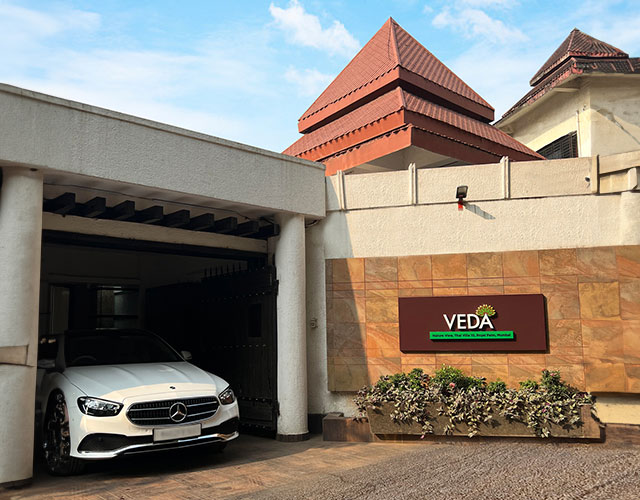
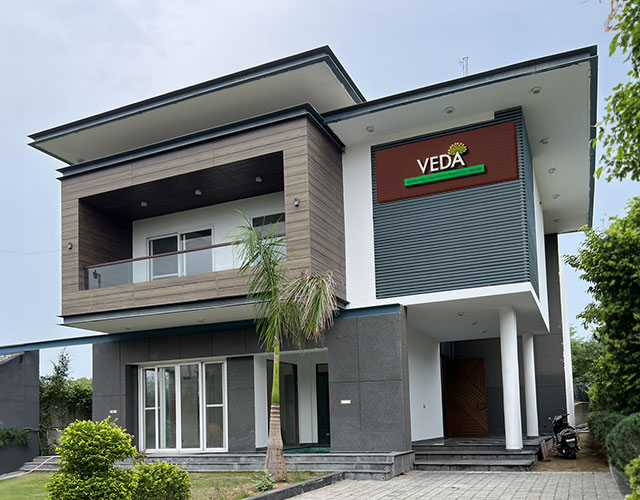
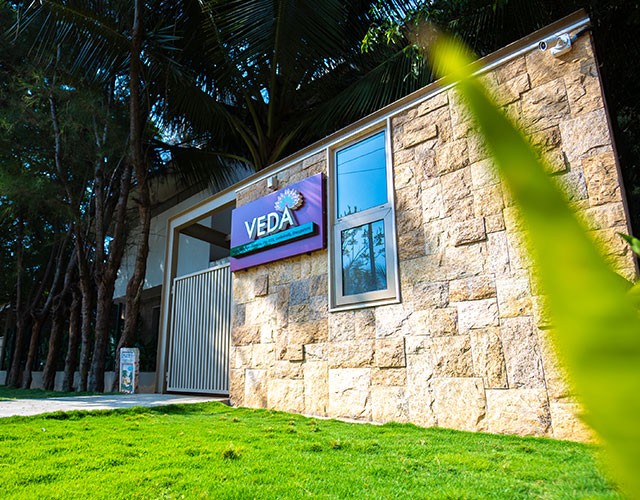
  • Discreet environment with private villa settings, NDAs at admission, no media access and limited access staff
  • Speed to care with weekend consults, airport pickup and a calm 72-hour quickstart that focuses on sleep, safety and routine
  • 24×7 supervision and psychiatrist-led care with clear detox protocols when needed
  • Cultural comfort in food and language, with space for prayer or quiet reflection
  • Family involvement by consent using short, structured sessions and simple scripts that reduce conflict
  • Aftercare across time zones with tele-sessions, medication continuity and a one-page plan you can actually follow
  • Transparent pricing with clear inclusions so travels planning is easier

When families search for the best de addiction centre India NRI, they want privacy, steady medical care and a plan that works in real life. That is the heart of our work.

Sample Pathway For NRI Clients at Veda

Step 1: Quiet consult

Phone or in-person. We understand your goals, risks and time window. You leave the call knowing the next step.

Step 2: Two-day assessment or a two-week stabilisation

  • Two-day assessment if you want to test the fit
  • Ten-day stabilisation if you are ready to reset: private suite, 24×7 supervision, therapy, nutrition, gentle routine

Step 3: Handover and aftercare

A one-page plan, letters for your doctor, tele-sessions set to your time zone, and simple weekly rituals for home. This rhythm keeps stress low and momentum high.

A Note on Alcohol Vs Drugs

Many centres treat both, but the care plan differs. If your concern is alcohol with poor sleep and anxiety, early wins often come from sleep reset, light nutrition, hydration and calm boundaries with family. For other substances, the first focus is safe withdrawal and stabilisation before deeper therapy. In both cases, the international patient rehab India alcohol drugs pathway should spell this out plainly. Ask for a sample plan and you will know who you are dealing with.

How to decide when time is short

If you arrive in India for two or three weeks, here is a simple way to choose:

  • Do a 30-minute consult within the next 48 hours
  • Book a two-day assessment to feel the programme from the inside
  • If the fit is right, continue into a short stabilisation
  • Leave with a January plan on one page and aftercare times on your calendar

Small steps. Clear structure. No drama.

Frequently asked questions

Is India only about low cost?

No. Cost is one benefit, but families choose India for speed, privacy and cultural fit. Value matters, but safety and dignity matter more.

Yes. We use structured, short sessions with simple scripts and clear boundaries. Less emotion, more progress.

Privacy is built into our daily operations. NDAs, limited access teams, no media. We can walk you through the exact flow.

Often within days. Many NRI clients begin with a weekend consult and a calm admission soon after.

Leave A Comment

Your email address will not be published. Required fields are marked *