Cannabis vs Charas: Health Risks and Misconceptions

Cannabis has been at the center of debates for decades, praised by some for its medicinal uses and criticized by others for its abuse potential. In India, a related substance, charas, has a cultural and historical significance, yet it is also widely misused. Many people confuse cannabis and charas, believing they are the same or equally harmless because they come from a plant. But the reality is more complex. Understanding their differences, the health risks involved, and the myths surrounding them is crucial, especially as conversations about legalization and recreational use continue worldwide.

What is Cannabis?

Cannabis refers broadly to the plant Cannabis sativa or Cannabis indica. Its dried leaves and flowers are commonly known as marijuana or ganja, which are typically smoked or consumed in edibles. The main psychoactive compound in cannabis is THC (tetrahydrocannabinol), which is responsible for the “high.” Another well-known compound is CBD (cannabidiol), which has therapeutic benefits but no intoxicating effects. 

Around the world, cannabis has been studied for pain management, anxiety reduction, and certain medical conditions. But outside controlled medical use, recreational cannabis still carries health risks that are often overlooked.

What is Charas?

Charas is not simply “another form of cannabis.” It is a hand-rubbed resin extracted from live cannabis plants, especially grown in Himalayan regions like Himachal Pradesh, Kashmir, and Uttarakhand. Unlike marijuana, which is dried and then smoked, charas is sticky and resinous, and typically stronger in THC concentration.

Traditionally, charas has been smoked in clay pipes called chillums during religious rituals. Over time, however, its recreational use has grown, especially in tourist hubs like Parvati Valley. Because charas is unregulated and often consumed in larger amounts, its addictive potential is high.

Misconceptions around Cannabis and Charas

One of the biggest misconceptions is that “natural means safe.” Many people assume that since cannabis and charas are plant-based, they do not cause harm. This is far from the truth. Tobacco is natural too, but its health risks are undeniable.

Another misconception is that charas is just a cultural or spiritual substance with no downsides. In reality, the same THC that creates altered states of consciousness also creates dependency, mental health risks, and physical side effects when abused.

Health risks of Cannabis

Although some forms of cannabis are used medically, recreational use still comes with risks:

  • Mental Health: Prolonged cannabis use can increase the risk of anxiety, depression, and in vulnerable people, psychosis. Studies from the National Institute on Drug Abuse (NIDA) show higher rates of schizophrenia symptoms in frequent cannabis users.
  • Cognitive Impairment: Cannabis impacts short-term memory, attention span, and learning ability. These effects are stronger in young users whose brains are still developing.
  • Physical Health: Smoking cannabis irritates the lungs and increases risks of chronic bronchitis.
  • Dependency: While not as addictive as substances like heroin, cannabis can still cause dependence, with withdrawal symptoms like irritability, restlessness, and insomnia.

Health risks of Charas

Because charas is more concentrated in THC, the health risks are often amplified:

  • Addiction: Regular charas use quickly leads to tolerance and dependence. Withdrawal symptoms include cravings, sleeplessness, and mood swings.
  • Severe Mental Health Impact: Users often report paranoia, hallucinations, or worsening depression. The World Health Organization (WHO) has highlighted how high-potency cannabis products increase risks of psychotic disorders.
  • Respiratory Issues: Since charas is usually smoked, heavy use can lead to chronic lung problems and reduced immunity.
  • Social and Financial Strain: Long-term users often isolate themselves, neglect responsibilities, and face economic challenges due to addiction.

Comparing Cannabis and Charas

While both come from the cannabis plant, charas is a resin with a much higher THC content, making it more potent. Recreational cannabis use may start as casual, but charas often accelerates dependency due to its stronger psychoactive effects.

  • Cannabis: Can be mild in effect, sometimes used in medical contexts, but still carries risks.
  • Charas: Stronger, less regulated, culturally tied but medically unapproved, with greater potential for addiction and mental health problems.

Who is at risk?

Certain groups are especially vulnerable to the risks of cannabis and charas:

  • Adolescents and Young Adults: Developing brains are more sensitive to THC.
  • Individuals with Family History of Mental Illness: Higher risk of psychosis or schizophrenia.
  • Chronic Users: Those who consume daily or in large quantities.
  • Children of Addicted Parents: Exposure at home can normalize substance use.

The connection to Mental Health

Multiple studies, including those published in the Lancet Psychiatry Journal, show a link between heavy cannabis or charas use and long-term psychiatric conditions. What starts as casual experimentation can gradually turn into a dependency that worsens depression, disrupts sleep, and triggers social withdrawal.

Breaking the cycle

Recognizing the problem is the first step. Many people struggling with charas or cannabis addiction dismiss it as “just recreational.” But if substance use is interfering with sleep, work, studies, or relationships, it is a warning sign.

Self-help Approaches

  • Setting boundaries for recreational use
  • Finding alternative ways to relax (exercise, meditation, hobbies)
  • Practicing digital detox and mindful breathing
  • Seeking social support from friends and family

Professional Help

For many, quitting requires more than willpower. Rehabilitation centers and therapists provide structured detox, counseling, and holistic healing approaches. Books like In the Realm of Hungry Ghosts by Dr. Gabor Maté and resources from the UN Office on Drugs and Crime (UNODC) can also provide guidance.

Both cannabis and charas are often misunderstood because of their cultural acceptance and natural origins. But the truth is clear: while cannabis carries health risks, charas is even more potent and harmful due to its higher THC content. Both substances can disrupt mental health, damage physical health, and create cycles of dependency.

Awareness is key. By challenging misconceptions and focusing on the real risks, individuals and families can make informed choices. And for those already caught in addiction, seeking timely help can make the difference between ongoing struggle and lasting recovery.

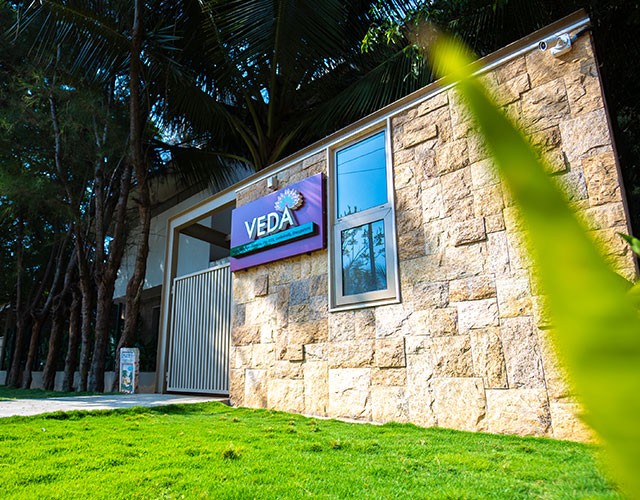
At Veda Rehabilitation and Wellness, we see firsthand how charas and cannabis addictions impact not just individuals but entire families. Our holistic programs combine medical expertise with therapies for mind and body, helping people heal with dignity and long-term resilience.

Leave A Comment

Your email address will not be published. Required fields are marked *