- Mumbai, New Delhi, Bangalore
- (+91) 81518 30000
- WhatsApp Now
- contact@vedawellnessworld.com
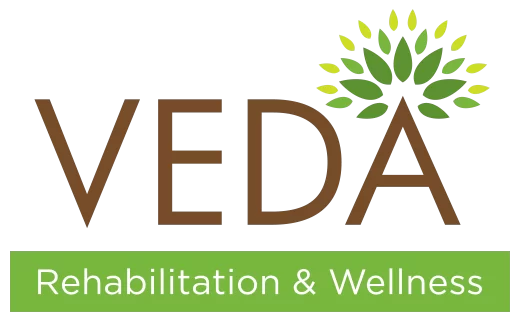
Addiction rarely begins overnight. For most people, it starts quietly like a drink to relax, a pill to sleep, a substance to cope with stress, anxiety, or emotional pain. Over time, what once felt “manageable” slowly takes control. The most dangerous part? The early signs of addiction are often ignored, justified, or hidden by the person and by their family.
This blog explains the early signs of addiction, common addiction symptoms, and subtle substance abuse signs that many people miss. Understanding these signs early can make the difference between short-term support and long-term suffering.
One reason addiction becomes severe is because early symptoms don’t look dramatic. People still go to work, manage families, attend social events, and appear “normal.” Society
also normalises drinking, prescription medication use, and even recreational drugs, making it harder to recognise when use becomes harmful.
Many people believe:
These beliefs create denial, one of the strongest drivers of addiction.
Denial isn’t dishonesty, it’s fear. Fear of judgement, fear of change, fear of admitting vulnerability.
People struggling with addiction often:
Families may also participate in denial by:
Unfortunately, ignoring early signs of addiction allows the brain and body to develop deeper dependence.
Some of the earliest addiction symptoms show up emotionally long before physical dependence develops.
1. Mood Swings and Irritability
2. Anxiety or Restlessness without the substance
Feeling uneasy, tense, or low when alcohol, drugs, or pills are not available is a common early warning sign.
3. Loss of Interest in normal activities
Hobbies, social interactions, and routines start feeling less important than substance use.
4. Guilt and Shame (but continuing anyway)
The person knows something isn’t right, yet feels unable to stop.
These substance abuse signs are often explained away as stress, personality changes, or lifestyle choices.
5. Increased Secrecy
6. Changes in Routine
7. Needing more to feel the same effect
This is called tolerance which is one of the clearest early signs of addiction.
8. Breaking personal rules
“I won’t drink on weekdays” slowly turns into “just today” and then disappears altogether.
Physical addiction symptoms may be subtle at first but are important signals.
9. Frequent Fatigue
Constant tiredness, low energy, or brain fog.
10. Sleep Problems
Trouble falling asleep, staying asleep, or waking up unrested especially without the substance.
11. Appetite Changes
Eating too little or too much, unexplained weight changes.
12. Minor Withdrawal Symptoms
Headaches, shakiness, irritability, nausea, or sweating when not using.
Alcohol addiction often hides behind social acceptance.
Early signs of alcohol addiction include:
Because alcohol is legal and socially accepted, substance abuse signs are often dismissed until serious harm occurs.
For drugs (recreational or illegal), early signs may include:
Prescription drug addiction is one of the most ignored forms of substance abuse.
Early signs include:
Because these drugs are medically prescribed, people often don’t recognise the addiction symptoms until dependence is established.
Families often notice something is “off” but hesitate to act.
Common family responses include:
This hesitation usually comes from love but early intervention is an act of care, not punishment.
When early signs are ignored:
· Emotional dependence becomes physical dependence
Had the signs been addressed early, treatment could be simpler, less intensive, and far less disruptive.
Many people delay seeking help because:
In reality, seeking help early is a sign of strength and self-awareness.
If you or someone you love is showing early signs of addiction, here are small but powerful steps:
1. Acknowledge the Pattern
Notice repeated behaviours and not just one incident.
2. Start a Gentle Conversation
Use concern, not blame. Focus on how you feel, not accusations.
3. Avoid Enabling
Don’t cover up consequences or make excuses.
4. Seek Professional Guidance Early
Early assessment can prevent long-term damage.
5. Prioritise Mental Health
Addiction often overlaps with anxiety, depression, trauma, or burnout.
Addiction is not a moral failure. It is a health condition that develops gradually and can be treated effectively, especially when caught early.
Early intervention:
At Veda rehab center in Mumbai, early-stage addiction is treated with compassion, privacy, and personalised care. Veda understands that many people seeking help are still functioning, still in denial, or simply unsure if they “need rehab.”
Through confidential assessments, 1:1 therapeutic support, mental health screening, and structured recovery plans, Veda helps individuals and families address early signs of
addiction before they escalate. The focus is on understanding the root causes, rebuilding coping skills, and creating sustainable change without shame, pressure, or judgement.
Early signs of addiction include increased tolerance, secrecy, mood changes, using substances to cope with emotions, and difficulty stopping despite negative effects.
Yes. Many people experience “high-functioning addiction,” where addiction symptoms exist despite outward success.
Yes. Prescription drugs can cause dependence and addiction, especially when misused or taken long-term.
If stopping feels difficult, causes distress, or affects daily life, it may be an early sign of addiction.
Early intervention is always better. Waiting often allows addiction to deepen.
Yes. Addressing substance abuse signs early leads to shorter recovery time and better outcomes.