Prescription Drug Addiction In India A Growing Crisis

  • Home
  • Addiction
  • Prescription Drug Addiction In India A Growing Crisis

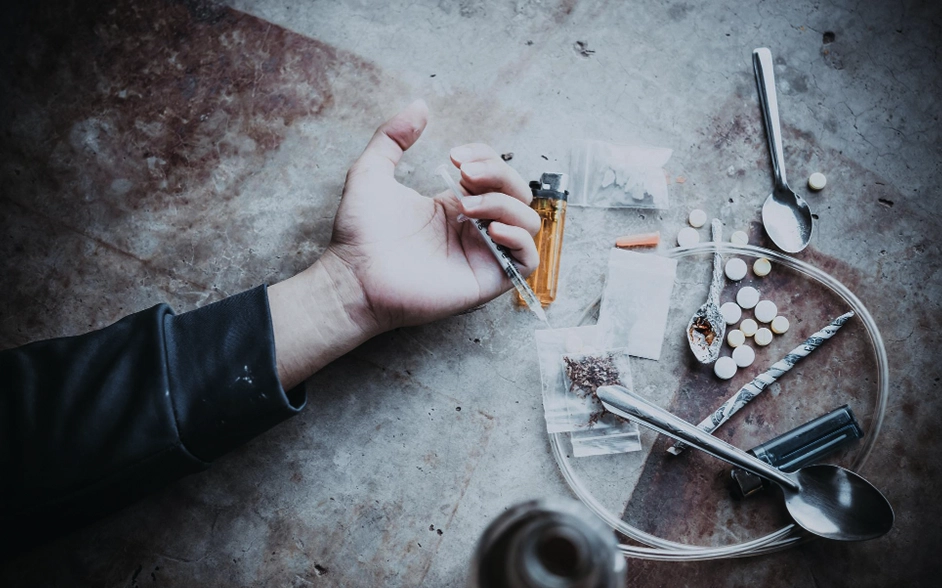
Prescription medications save lives every day when used correctly and under proper medical supervision. But when these same medications are misused or taken without guidance, they can become dangerous. In India, prescription drug addiction is no longer a hidden problem. It’s a growing crisis that affects young and old, rural and urban, professionals and students alike.

 In this blog, we’ll explore the reality of prescription drug addiction India, understand why it’s becoming so widespread, and look at how treatment including opioid addiction treatment and painkiller addiction rehab can restore health, relationships, and life.

This article is written in simple language and designed for families, friends, and individuals who want to understand the issue without complicated medical jargon.

What Is Prescription Drug Addiction?

Prescription drug addiction occurs when a person becomes dependent on medications that were originally prescribed for legitimate medical reasons or when these medications are taken without a prescription. Commonly misused prescription drugs include:

  • Opioid painkillers (like tramadol, morphine, codeine)
  • Benzodiazepines (anti-anxiety medications like alprazolam and diazepam)
  • Sleeping pills 
  • Stimulants (sometimes prescribed for ADHD or narcolepsy)

In India, the misuse of these medications has increased rapidly, especially in urban populations where access is easier and awareness of the risks is low.

Why Is Prescription Drug Addiction A Crisis In India?

Several factors contribute to prescription drug addiction India:

1. Ease of Access

Many painkillers and sedatives are available over the counter in pharmacies without strict checks. This means people can obtain potentially addictive drugs without a proper doctor’s prescription.

2. Lack of Awareness

Most people assume that because a drug is “medical,” it is automatically safe. This leads to misuse for pain relief, stress, sleep, or even recreational purposes.

3. Self-Medication

Rather than visiting a doctor or therapist, many individuals self-medicate for stress, anxiety, or physical discomfort. This habit can quickly turn into dependency.

4. Prescription Practices

In some cases, doctors may prescribe opioid painkillers or sedatives for short-term relief. Without clear follow-up and monitoring, this can lead to prolonged use and addiction

Facts & Statistics: Prescription Drug Addiction India

Although exact numbers are hard to capture due to underreporting, research shows:

  • India has one of the fastest increasing rates of prescription medication misuse in the world.
  • A substantial number of young adults and adolescents report experimenting with prescription medications.
  • Opioid dependence, often starting from prescribed painkillers, accounts for a significant portion of substance use disorders reported in urban clinics. *

(*data sourced from National surveys and substance use research in India)

These figures show that prescription drug misuse is not rare and it is widespread and growing.

Signs & Symptoms of Prescription Drug Addiction

Recognising prescription drug addiction India early can prevent long-term harm. Watch for these signs:

Behavioural Signs

  • Taking more than the prescribed dose
  • Using medications without a prescription
  • Feeling a compulsion to take the drug
  • Hiding drug use from family or friends

Emotional Signs

  • Mood swings or irritability
  • Anxiety when not using the drug
  • Obsession with obtaining the drug

Physical Signs

  • Increased tolerance (needing more to feel the same effect)
  • Withdrawal symptoms when not using
  • Sleep problems or daytime drowsiness
  • Nausea or unexplained aches

Myths vs. Reality about Prescription Drug Addiction

There are many misconceptions about prescription drug dependency. Let’s clear them up:

Myth 1:

Prescription drugs are safe because a doctor prescribed them.

Reality: Even doctor-prescribed medications can cause dependency when taken in higher doses or for longer than recommended.

Myth 2:

Only illegal drugs can cause addiction.

Reality: Legal prescription drugs can be addictive and often more so because we trust them more.

Myth 3:

If you don’t have withdrawal symptoms, you’re not addicted.

Reality: Addiction often starts psychologically like cravings, preoccupation, and compulsive use before severe physical withdrawal appears.

Myth 4:

Addiction is a choice or moral failing.

Reality: Addiction is a health condition involving brain chemistry and behaviour, and it can happen to anyone.

Impact of Prescription Drug Addiction

On the Individual

  • Cognitive difficulties (memory problems, confusion)
  • Emotional issues (anxiety, depression)
  • Risk of overdose
  • Deteriorating physical health

On the Family

  • Emotional strain
  • Broken trust
  • Financial stress
  • Increased caregiving burden

On Society

  • Higher healthcare costs
  • Reduced productivity
  • Increased burden on health systems

Why Opioid Addiction is Especially Concerning

Opioids like tramadol, morphine, and codeine are among the most misused prescription drugs. They are powerful painkillers, but they also create strong dependency when misused.

Opioid dependency can quickly escalate into daily use, tolerance, and severe withdrawal symptoms. That’s why opioid addiction treatment must be medically supervised and tailored to the individual.

What is Painkiller Addiction Rehab?

Painkiller addiction rehab refers to specialised treatment designed to help individuals safely withdraw from opioid painkillers and other prescription drugs, address underlying mental health issues, and rebuild healthy coping mechanisms.

Rehab programs may include:

My Story: When We Ignored The Signs

I remember the day everything changed. My brother had surgery which was nothing major and was given painkillers for relief. Soon, a few pills became a habit. We didn’t think much of it at first. “It’s medicine,” we said.

But then he started hiding bottles, skipping meals, snapping at us for no reason, and disappearing for hours. At first, we blamed stress. But the signs were there though subtle, then unmistakable. When we finally asked him directly, he admitted he couldn’t stop.

That was the moment we realised this was not just “taking medicine.”

This was addiction.

What We wish We knew sooner

If we had understood the early signs, we would have acted earlier. These are the warnings we missed:

  • His insistence that “just one more” was harmless
  • Emotional dependence — needing it to cope with stress
  • Secretive behaviour around medication
  • Visible mood swings when without the drug

The Solution: Early Intervention

Ignoring prescription drug addiction India doesn’t make it go away, it makes it stronger and more dangerous.

Step 1: Recognise the Problem

Look for behavioural, emotional, and physical signs.

Step 2: Talk Openly

Start a caring, non-judgemental conversation with your loved one.

Step 3: Seek Professional Help Early

Professor-led assessments can make all the difference.

Step 4: Avoid Self-Medication

Never adjust doses or use medications without guidance.

Step 5: Support Through Recovery

Recovery is a process and not a quick fix.

How Veda Rehabilitation and Wellness Help

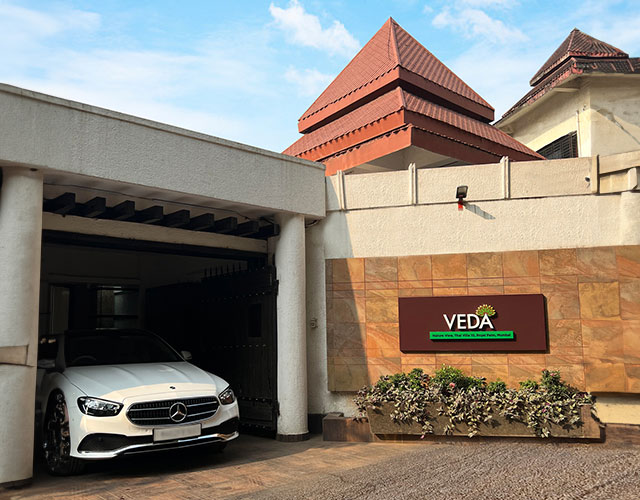
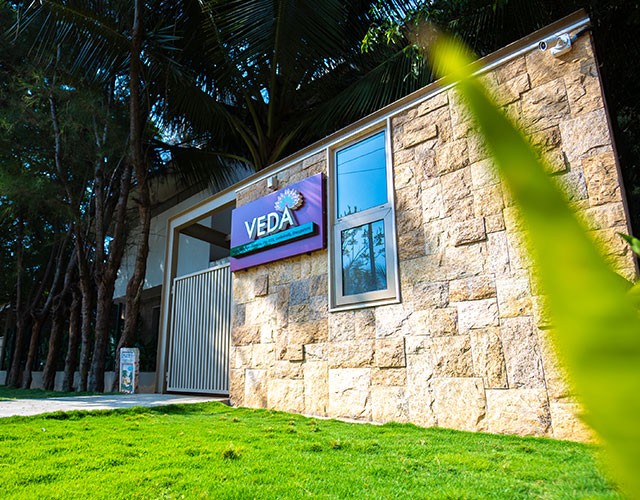
At Veda Rehab Center Mumbai, we understand the complexities of prescription drug addiction India and provide compassionate, evidence-based care that focuses on long-term recovery.

1. Expert Assessment

We start with a thorough evaluation of substance use and mental health.

2. Personalized Opioid Addiction Treatment

Your treatment plan is tailored to your needs which is medically safe, emotionally supportive, and individually structured.

3. Painkiller Addiction Rehab Programs

These include detox supervision, therapy, emotional regulation, coping skills and strength building.

4. Family-Centred Support

Addiction affects the whole family and we help rebuild trust and communication.

5. Aftercare & Relapse Prevention

We don’t stop at rehab; we equip you with tools for lifelong health.

Cost of Treatment at Veda Rehabilitation

Understanding the financial aspect is an important part of seeking help.

At Veda Rehab & Wellness, the cost for a painkiller addiction rehab program, including opioid addiction treatment, typically ranges as follows:

  • Residential care: ₹2,85,000 – ₹4,85,000(per month)

Costs vary based on room selection, therapy packages, length of stay, clinical complexity, and individual needs.

This may feel like a commitment, but think of it as an investment in life, health, family harmony, and future potential. The cost of not seeking help emotionally, financially, and socially is far greater.

FAQs (Frequently Asked Questions)

1. What is prescription drug addiction India?

It refers to the misuse and dependency on medications like painkillers or sedatives that are often prescribed but taken in ways that harm the body and mind.

Signs include increased tolerance, secretive use, mood changes, cravings, withdrawal symptoms, and difficulty stopping despite harm.

It’s a structured, medically supervised program that helps people safely withdraw, address emotional causes, and build healthy coping mechanisms.

With proper treatment, support, and aftercare, many people recover and lead fulfilling lives.

Programs vary from 30 days to 90+ days depending on the severity and individual needs.

Yes. Family support strengthens recovery and improves outcomes.

Leave A Comment

Your email address will not be published. Required fields are marked *