Why Holistic De-addiction (Ayurveda, Yoga, Therapy) Makes Sense For NRIs in India

  • Home
  • Addiction
  • Why Holistic De-addiction (Ayurveda, Yoga, Therapy) Makes Sense For NRIs in India

If you live outside India and you or someone you love is struggling with alcohol or drugs, you’re probably weighing two choices: start help where you live, or begin in India while you’re visiting. Many families now look for holistic rehab India for NRIs because India offers something rare which is strong medical care paired with familiar food, language, and practices like Ayurveda, yoga, and creative therapies. This combination helps people settle faster, sleep better, and build habits they can carry back home.

This guide explains what “holistic” really means, how it fits with medical treatment, and how Veda uses Ayurveda, yoga therapy, counselling, and expressive therapies (sound, music, art, movement, sports) to support recovery. You’ll also see why so many international clients choose Veda and what to expect in the first days.

What “Holistic” Means (And What It Does Not Mean)

“Holistic” is not code for “no medicine.” At Veda, holistic care is medicine, lifestyle, family and environment, working together. Doctors and nurses handle safety and withdrawals. Therapists handle thinking patterns, emotions, and relationships. Ayurveda and yoga help the body calm down so the mind can learn. Creative work like sound, music, art gives you non-verbal ways to process stress. Sports and movement reset energy and sleep.

Holistic care does not replace medical advice or medication. It stands beside it, so you feel well enough to do the deeper work.

Why India Is A Natural Fit For Holistic Recovery

  • Cultural comfort: Familiar meals (including vegetarian/halal), space for prayer or meditation, languages you speak.
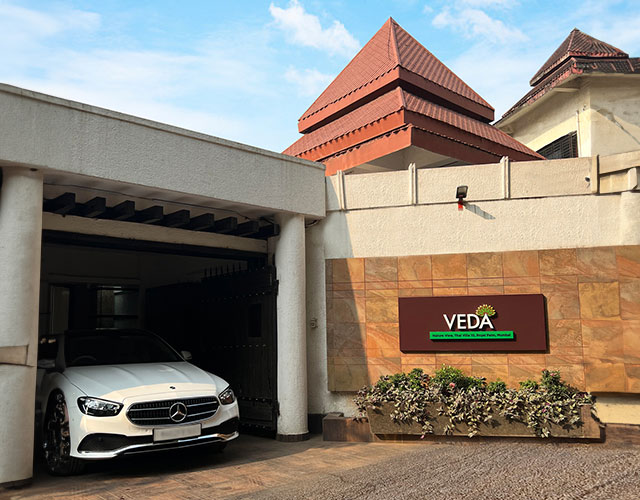
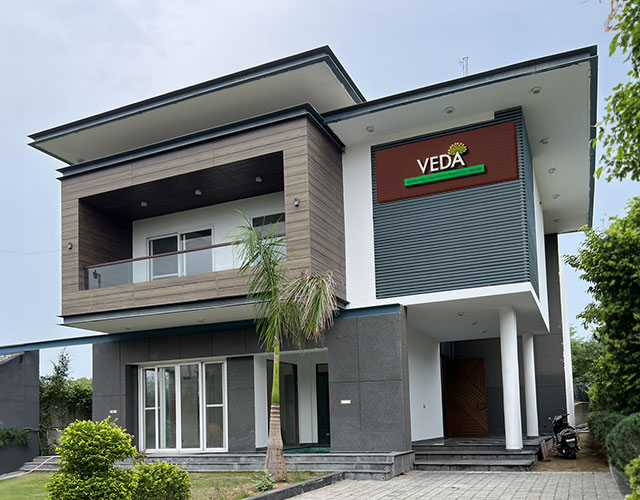
  • Pace and privacy: Villa settings, NDAs, discreet arrivals; you can focus without outside noise.
  • Skilled teachers: India has deep roots in ayurveda de-addiction India traditions and world-class yoga therapy, which when guided safely can support sleep, anxiety relief, and body regulation.
  • Distance from triggers: A change of place breaks the routine that feeds the habit.
  • Aftercare bridge: sessions can continue online when you return abroad.

For many, this mix simply feels more natural and that helps you stick with it.

How Veda Blends Medicine and Holistic Care

Your pathway begins with a medical consult and safety assessment. If a detox is needed, it’s doctor-led with 24×7 supervision and monitoring. As you stabilise, we layer in:

  • Ayurveda-informed routines and nutrition
  • Yoga therapy and breathwork
  • Individual and family therapy
  • Sound, music, and art therapy
  • Reiki (optional), mindfulness, and gentle movement/sports
  • Sleep and day-structure coaching

Everything is paced to your energy and medical status.

Ayurveda at Veda: Calm The Body, Support The Mind

When people search ayurveda de-addiction India, they often picture herbs and oil massages. We use Ayurveda more broadly as a time-tested way to settle the nervous system and daily rhythm.

What It Looks Like (Customised To You):

  • Intake review (diet, digestion, sleep, stress).
  • Food plan that is warm, easy to digest, and stabilising. Vegetarian and halal options are available.
  • Oil therapies like abhyanga (gentle warm oil massage) to reduce muscle tension and improve sleep quality.
  • Shirodhara-style relaxation (steady warm stream on the forehead) when appropriate and only after medical clearance.
  • Herbal supports (only if safe with your prescriptions and approved by the psychiatrist).
  • Daily routine cues (waking, meals, light movement, wind-down) so the body knows what to expect.

Why it helps: predictable routines, soothing touch, and warm foods reduce agitation, support digestion, and make sleep come easier which is a key in early recovery.

Note: Ayurveda components are complementary. They don’t replace detox medicines or clinical therapy.

Yoga Therapy: Breath, Posture, and Inner Steadiness

Families often search yoga therapy addiction recovery NRI because yoga is familiar yet powerful. At Veda we use yoga therapy, which is gentler and more clinical than a fitness class.

Core Elements (Adapted To Your Condition):

  • Breathwork (pranayama): box breathing, belly breathing, and alternate-nostril breathing to quiet the stress response.
  • Grounding postures: supported forward folds, legs-up-the-wall, and gentle twists to release tension.
  • Restorative practices: Yoga Nidra (guided body scan) for deep rest.
  • Mindfulness drills: 5-senses check-in, urge surfing, and brief meditations.
  • Trauma-sensitive approach: clear consent, options to opt out, and no forced stillness.

Why it helps: steadier breathing and gentle movement improve sleep, reduce anxiety, and make cravings easier to ride out. The goal is not “perfect poses”; it’s a calmer nervous system.

Evidence-Based Therapy: Thinking, Feeling, Relating

Holistic rehab isn’t only oils and mats. The backbone is therapy with trained clinicians.

What You’ll See at Veda:

  • Motivational Interviewing (MI): get unstuck without pressure.
  • CBT tools: spot triggers, challenge thoughts, plan safer responses.
  • Relapse-prevention skills: early-warning signs, coping plans, and a “who to call” list.
  • Family sessions: short, structured conversations that reduce conflict and build boundaries.
  • Psychoeducation: simple, practical teaching on sleep, stress, and the brain.

Everything is communicated in plain language. You leave with scripts and checklists you can actually use.

Sound Therapy: Settle The System

Sound works without words. In early recovery, that’s a gift.

Format: guided sessions with singing bowls or calming soundscapes, breath-timed.

Why it helps: slow rhythms cue the body to downshift, which supports sleep and lowers the urge to “self-medicate” anxiety.

Music Therapy: Express, Release, Reconnect

You don’t need to be a musician.

Format: curated listening, lyric sharing, simple drumming or humming, or building personal playlists for mornings, cravings, and wind-down.

Why it helps: music accesses emotion safely, improves mood, and gives you quick tools for tough moments (e.g., a “craving playlist” + breathing).

Art Therapy: Say It Without Saying It

Art lets feelings move from the body to the page.

Format: drawing, collage, clay, or guided journaling tied to a theme (loss, hope, boundaries).

Why it helps: it lowers shame, makes inner stories visible, and often sparks breakthroughs that words alone can’t reach.

Reiki (optional): Quiet Attention And Touch

Some clients request Reiki as a gentle add-on.

Format: light touch or hands-off positions along the body’s “energy” lines, with consent.

Why it may help: a sense of warmth, calm, and deep relaxation. It’s optional and complementary but never a substitute for medical care.

Physical Movement and Sports: Rebuild Energy Honestly

Recovery isn’t only about not using; it’s about moving again.

Options: guided walks, mobility and core work, light strength training, yoga-based flow, pickle ball and swimming when appropriate, and physiotherapy input for old injuries.

Why it helps: movement lifts mood, stabilises sleep and appetite, and gives you a healthy “dopamine plan” for life back home.

Nutrition and Sleep: Small Levers, Big Effect

Early recovery is won or lost in the basics.

  • Hydration and electrolytes when needed.
  • Warm, simple meals that don’t spike energy.
  • Caffeine timing to protect sleep.
  • Sleep routine: lights down at a set time, screen rules, breathwork, and a wind-down ritual.

Better sleep makes every other therapy more effective.

What A Day Can Look Like (Sample, Adjusted to You)

  • 7:30 Gentle wake-up, hydration, breathwork
  • 8:00 Breakfast (warm, light, stabilising)
  • 9:00 Vitals check; short medical review as needed
  • 10:00 Individual therapy or yoga therapy
  • 11:30 Art or music therapy
  • 13:00 Lunch and quiet rest
  • 14:30 Psychoeducation or sound session
  • 16:00 Garden walk or light sports
  • 17:30 Family call (optional, structured)
  • 19:00 Dinner
  • 20:00 Ayurveda-informed wind-down (self-massage, warm shower, herbal tea)
  • 21:30 Yoga Nidra or reading; lights out

This rhythm keeps your body predictable and your mind calmer.

Why Many International Clients Choose Veda

When families search holistic rehab India for NRIs or international patient rehab India alcohol drugs, they tend to shortlist Veda for a few steady reasons:

  1. Privacy first: NDAs on admission, limited-access teams, no media or tours, device lockers by choice.
  2. Doctor-led safety: psychiatrist oversight, 24×7 nursing, and clear detox protocols.
  3. Cultural comfort: vegetarian/halal menus, space for prayer/meditation, English/Hindi (and other language support where possible).
  4. Real holistic blend: Ayurveda routines, yoga therapy, sound/music/art, plus practical, evidence-based counselling.
  5. Family involvement without chaos: short, structured sessions; partner and parent scripts; boundary coaching.
  6. Aftercare across time zones: tele-sessions, handover letters for your GP, medication continuity, and a one-page plan you can keep on the fridge.
  7. Discreet logistics: airport pickup, quick admission, calm villa settings.

In plain words: it’s private, it’s paced, and it respects how Indian families actually live.

What to expect in the first 72 hours

  • Arrival: discreet pickup, private check-in, vitals, hydration, light meals.
  • Day 1–2: monitoring, sleep support, short yoga-breath sessions, and the gentlest therapy dose.
  • Day 3: review with your doctor, map the next week, set a simple daily rhythm, and begin relapse-prevention tools.

You should feel safer, more rested, and clearer about next steps. That’s the goal, not to “finish recovery” in a week, but to start it well.

How holistic care travels home with you

Your plan should fit in a carry-on:

  • Breathing routine (2–6 minutes) for cravings or stress
  • Two grounding postures you can do anywhere
  • A personal playlist for mornings and tough moments
  • One family ritual (Sunday 15-minute check-in)
  • A one-page relapse plan with early signs and phone numbers
  • Tele-therapy slots already on your calendar

Small tools. Used often. That’s how change sticks.

Choosing a centre: simple checklist

If you’re comparing options for holistic rehab India for NRIs, ask every centre:

  • Who leads medical care? Is there 24×7 supervision?
  • Show me the first 72 hours step by step.
  • What are your privacy protocols beyond NDAs?
  • How do you blend Ayurveda, yoga, and therapy safely?
  • What creative therapies are offered (sound, music, art)?
  • How do family sessions work without blame?
  • What’s the aftercare plan for overseas clients?
  • Give me clear pricing with inclusions/exclusions.

If the answers are clear, you’re in good hands.

Your Next Step

Holistic care makes sense because people are whole. When doctors, therapists, Ayurveda, yoga, and creative practices work together, the body settles and the mind becomes teachable. That’s when recovery decisions stick.

If you’re exploring ayurveda de-addiction India or yoga therapy addiction recovery NRI options and want a private, medically safe place to begin, we’re here to listen. We can start with a quiet consult, map your first 72 hours, and if the fit is right, you can build a plan you can carry back home.

You don’t have to do this loudly. You just have to start.


Medical disclaimer: This article is for general guidance only. It does not replace medical advice, diagnosis, or treatment. Please consult a qualified doctor or mental health professional for personal recommendations.

Leave A Comment

Your email address will not be published. Required fields are marked *