Kids, Costumes & Fear: How Parents Can Support Children’s Mental Health at Halloween

  • Home
  • Anxiety Treatment
  • Kids, Costumes & Fear: How Parents Can Support Children’s Mental Health at Halloween

Halloween which is the season of costumes, candy, and carved pumpkins looks like pure fun from the outside. Streets glow orange, children giggle in creative costumes, and families come together for trick-or-treating.

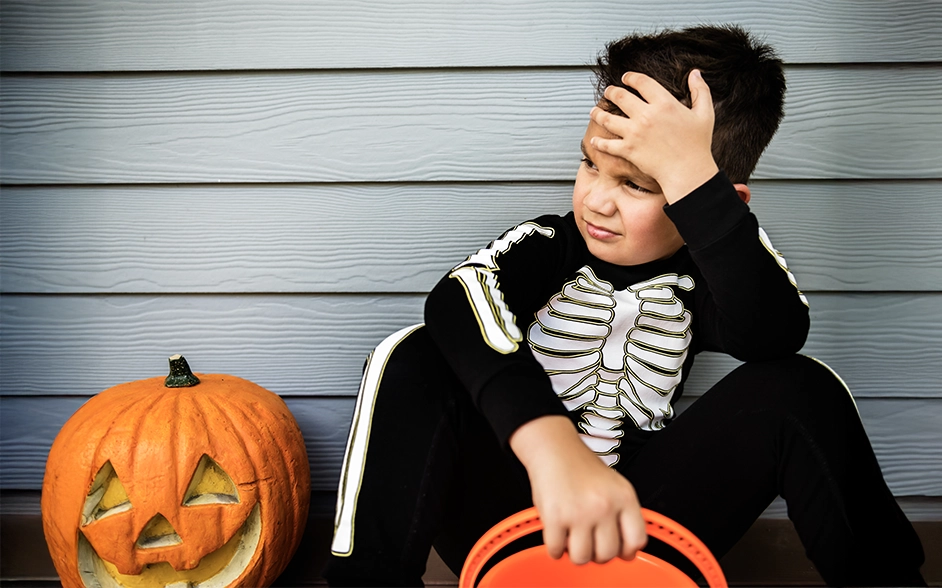
But beneath the laughter and lights, many children experience something that’s rarely talked about which is Halloween anxiety.

The same decorations, masks, and noises that seem exciting to some kids can be confusing or even frightening to others. And for parents, it can be tricky to understand whether your child’s tears or clinginess are just a passing phase or signs of real distress.

If your child feels uneasy during Halloween, don’t worry as you’re not alone. The truth is, Halloween fear in kids is more common than people think. The good news? With the right approach, it can turn into a valuable opportunity to build confidence, resilience, and emotional awareness.

Let’s unwrap what’s behind those Halloween jitters and explore how you can make the spooky season fun and not frightening.

What Exactly is Halloween and Why Is It Celebrated?

Halloween, celebrated every October 31st, originated from an ancient Celtic festival called Samhain (pronounced sow-in). It marked the end of harvest and the beginning of winter which is a time when people believed the boundary between the living and the spirit world was thin.

To protect themselves from wandering spirits, they dressed in costumes and lit bonfires. Over centuries, the festival evolved blending with Christian traditions and modern pop culture to become the joyful, costume-filled Halloween we know today.

Today’s Halloween is more about fun, creativity, and candy than ancient fears. But children don’t always understand that. Their imaginations are vivid, and they often can’t tell the difference between “pretend scary” and real scary.

That’s what makes it important for parents to see Halloween through their children’s eyes with empathy, patience, and understanding.

Why Halloween Can Feel Scary for Kids

While adults see fake spiders and zombie masks as harmless fun, children process them very differently. Here are some common triggers for Halloween anxiety in kids:

1. Costumes can be confusing

Children rely on facial expressions and voices to feel safe. When friends, teachers, or even parents wear masks or makeup, that sense of familiarity disappears. For a young child, it’s not just funny, it’s unsettling.

A child’s brain might even interpret the costumes as real threats, especially when the people they love look “different.”

2. Darkness and loud noises

Halloween decorations often include eerie sounds, flashing lights, and spooky music. Adults might find it entertaining, but children’s developing brains process it as real danger. Loud noises, screams, or dark spaces can trigger their fight-or-flight response.

3. Peer pressure and the need to fit in

Older children might feel pressured to “act brave” or join friends in haunted houses or scary games, even if they’re terrified inside. When they can’t match others’ excitement, they may feel embarrassed or left out leading to anxiety or shame.

4. Overstimulation and sugar rushes

Halloween is full of excitement like crowds, sugar, music, flashing lights are all happening at once. For sensitive or introverted kids, it can be overwhelming. You might see meltdowns or irritability, not because they’re being difficult, but because their nervous system is overloaded.

5. Scary media and decorations

Modern Halloween imagery has become more realistic like fake blood, zombies, skeletons, which can trigger fear long after the decorations come down. Nightmares or bedtime anxiety often follow.

6. Parental pressure (even unintentional)

Sometimes, in the excitement, parents encourage kids to “be brave” or “have fun” without realizing that a child may truly be afraid. It’s natural to want them to enjoy the day, but forcing participation can make the fear worse.

Why Halloween is Becoming A Global Celebration

Once a Western festival, Halloween is now celebrated across the world from Mumbai to Tokyo to Dubai.

Here’s why:

  • Pop culture: Movies, cartoons, and social media have made Halloween look thrilling and creative.
  • Globalization: Schools, communities, and brands now adopt it as a fun, global event.
  • Creativity and expression: Costumes give kids a chance to play pretend and express themselves freely.
  • Community bonding: Festivals that bring people together naturally appeal across cultures.

However, as Halloween spreads, it’s important to adapt it thoughtfully, especially in cultures where children might not yet understand its origins or tone.

Halloween and Children’s Mental Health

Halloween can impact children’s mental health in surprising ways. Some kids love it. Others feel anxious for weeks leading up to it.

The key is not to avoid the celebration entirely but it’s to help your child understand it. When children feel safe and supported, Halloween can become a chance to teach emotional intelligence, courage, and empathy.

Here’s how parents can make that happen:

10 gentle ways to support your child’s mental health at Hallowee

1. Talk about it early

Start conversations about Halloween days in advance. Explain what it is, why people dress up, and how it’s all pretend.

For younger kids, compare it to playing make-believe: “Remember when you pretended to be a superhero? Halloween is like that for everyone!”

You can even watch light-hearted Halloween movies like Hotel Transylvania or Coco to show that spooky can also be silly or fun.

2. Involve them in planning

Give your child control over small decisions like their costume, candy choices, or how to decorate. Participation builds comfort.

Let them pick something cheerful if they dislike scary costumes. Joyful costumes are still festive like a fairy, astronaut, or even a cupcake counts!

3. Respect their comfort zone

If your child doesn’t want to trick-or-treat or visit a haunted house, that’s okay. Don’t force participation. The goal is emotional safety, not conformity.

Kids who learn that their boundaries are respected grow up to respect others’ limits too.

4. Look for signs of anxiety

Children rarely say, “I’m anxious.” Instead, they may act clingy, irritable, or complain of stomach aches.

Watch for changes in behavior:

  • Avoiding certain areas or people
  • Trouble sleeping
  • Sudden crying spells
  • Asking to skip school around Halloween

If you notice these patterns, validate their fear gently:

“It’s okay to be scared. I get scared sometimes too.”

5. Use Halloween to teach emotional skills

You can use the season to teach deeper lessons:

  • “Fear doesn’t mean danger but sometimes it’s just imagination.”
  • “We can be brave and kind at the same time.”
  • “Everyone feels scared sometimes, even superheroes.”

These lessons help kids handle other fears beyond Halloween too.

6. Create a calmer celebration

Not every family has to celebrate the same way. If your child dislikes the noise or costumes, try:

  • A family movie night with friendly Halloween films.
  • Pumpkin carving or cookie decorating at home.
  • Reading gentle ghost stories.
  • Dressing up as funny, not frightening, characters.

Halloween doesn’t have to be scary to be special.

7. Balance the candy chaos

Too much sugar can spike energy (and anxiety). After trick-or-treating, sort candies together. Teach moderation and keep a few favorites and save the rest for later.

This small act gives them a sense of control and teaches healthy habits without taking away the fun.

8. Keep evenings calm

After the excitement, slow things down. Dim the lights, play soothing music, or tell happy stories before bed.

A peaceful routine helps children’s minds switch from “excited” to “relaxed” mode, preventing post-party nightmares.

9. Stay relaxed yourself

Children learn emotional cues from their parents. If you’re stressed about decorations, hosting, or schedules, they’ll mirror that tension.

Laugh off mistakes, go with the flow, and show them that the fun is in the moments, not in perfection.

10. Seek professional support if needed

If your child’s fear doesn’t fade or interferes with sleep, school, or social life, reach out for professional help. At Veda Rehabilitation and Wellness, we specialize in helping children and families manage anxiety with warmth and care through therapy, mindfulness, art, and play-based healing.

Early emotional support can make a world of difference.

If Your Child Isn’t Comfortable with Halloween

It’s completely fine if your child doesn’t enjoy Halloween. Not every child is built for noisy crowds or spooky costumes.

You can still celebrate the spirit of the season by starting your own traditions:

  • A “Glow Night” with fairy lights and music.
  • Pumpkin carving with smiley faces instead of scary ones.
  • A “Kindness Treat Bag” giving candies to others instead of collecting them.

The message? Joy isn’t about fitting in. It’s about feeling safe and loved.

Shifting the Perspective

Halloween doesn’t have to be a night of fear but it can be a night of learning.

Use it to teach your child that bravery isn’t about ignoring fear, but understanding it. That empathy matters more than appearances. And that being true to oneself is far more rewarding than blending in.

This way, Halloween becomes not just a cultural event, but a celebration of courage, creativity, and connection.

Frequently Asked Questions

1. My child is scared of Halloween costumes. Should I make them face it to “get over it”?

No. Forcing exposure can worsen fear. Instead, help them approach it slowly and look at pictures of costumes in daylight, talk about how people are pretending, and let them engage at their own pace.

Hold their hand, keep explanations simple (“That’s just a costume!”), and take breaks if needed. Sometimes, stepping away for a few minutes helps them reset.

Yes. It’s a natural reaction when children feel overstimulated or confused. Stay calm, reassure them, and keep the evening short and gentle.

You can say, “They’re just decorations, like how we put up balloons on birthdays.” Making comparisons to familiar experiences helps them understand it’s pretend.

If your child’s fear continues for weeks, disrupts sleep, or causes panic in daily life, consider consulting a child psychologist. At Veda Rehabilitation and Wellness, our team uses gentle, evidence-based techniques to help children manage anxiety in healthy ways.

Leave A Comment

Your email address will not be published. Required fields are marked *