- Mumbai, New Delhi, Bangalore
- (+91) 81518 30000
- WhatsApp Now
- contact@vedawellnessworld.com
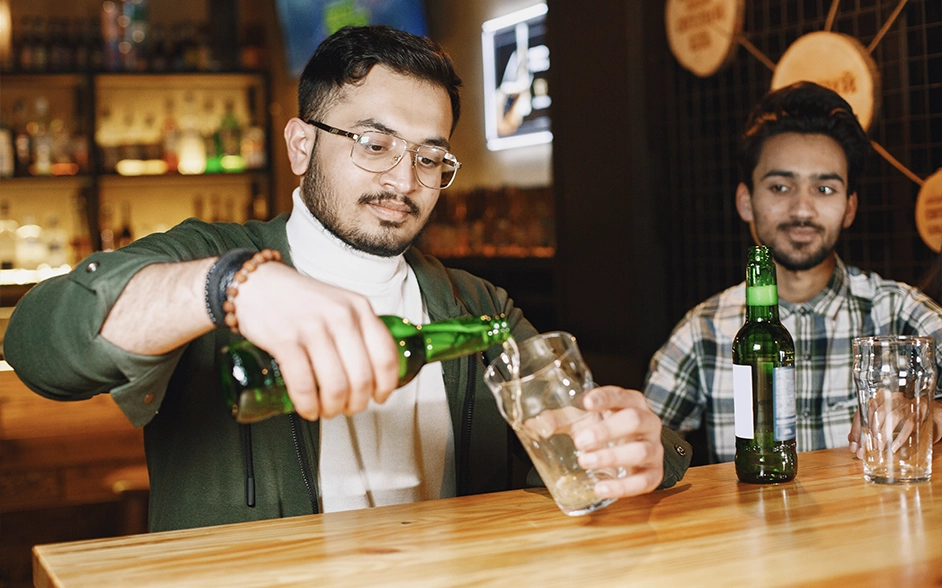
Alcohol has always been a part of social life in India, but something has changed in the last decade. What used to be an occasional weekend drink is now a daily escape for many people. What earlier felt like a harmless way to unwind has slowly turned into dependence. And families across every city and income group are feeling the impact.
If you have been wondering why alcohol addiction in India is rising, how to spot early signs of alcohol addiction, and what you can realistically do to help yourself or someone you love, this guide breaks it down in the simplest possible way.
This is not a lecture. This is not a warning. This is an honest conversation that most families wish they had much earlier.
Let us start by understanding the bigger picture. Alcohol addiction India is not growing because people suddenly became irresponsible. The reasons are a lot more complex and very real.
People are working longer hours, dealing with financial pressure, relationship strain, and constant comparisons on social media. A drink at the end of the day feels like a quick relief. The problem begins when the brain starts relying on that drink to feel normal.
Alcohol is available almost everywhere today. From supermarkets to bars to food delivery apps, it has become both easy and socially acceptable to drink regularly. When something becomes normal, the risks get ignored.
Many people in metros like Mumbai, Delhi, Bengaluru, Pune, Chennai and Hyderabad live alone, far from family. Work friends come and go. Real support is missing. Alcohol becomes the quiet friend that never says no.
This is a major reason why alcohol addiction rising India has become a common phrase in public health. It starts innocently. Friday night. Then Saturday. Then Sunday brunch. Then a little something on Monday evening because work was stressful. Before you notice, there is a pattern.
Culturally, drinking is now seen as a normal part of adulthood. House parties, weddings, office events, friends’ gatherings all involve alcohol. So people assume it is harmless, even when the body is trying to say otherwise.
Many people in India still avoid talking about feelings. So anger, frustration, fear, rejection, and sadness remain buried. Alcohol numbs emotions, and this numbing becomes addictive.
Many young people are turning to stronger forms of alcohol. The higher the strength, the higher the risk of addiction and long term damage.
Understanding the “why” is important, because it reminds you that alcohol addiction is not a character flaw. It is a combination of stress, convenience, culture, and unaddressed emotions.
Alcohol addiction rarely begins suddenly. It builds quietly. It builds subtly. People around often dismiss early signs as “just a phase”.
Here are the signs of alcohol addiction you need to take seriously:
Someone sets a limit for themselves but always crosses it. Says they will have one drink but ends up having four.
Waiting for the evening. Planning social gatherings only where alcohol is available. Feeling restless when it is not.
Using alcohol to sleep, relax, deal with stress or silence emotions. Drinking becomes a solution rather than a choice.
The earlier amount no longer gives the same effect. So they need more. This is one of the strongest early warnings.
Feeling low, restless, angry or anxious when not drinking. Mood swings appear for no clear reason.
Drinking alone, drinking secretly, or acting defensive when asked about alcohol use.
Poor sleep, bloating, shaking hands in the morning, low appetite, frequent headaches, or weak immunity.
The person stops enjoying things they once loved. Alcohol becomes the main source of pleasure.
Arguments at home, missed commitments, unreliable behaviour, forgotten promises.
Late mornings. Reduced productivity. Missing deadlines. Spending an increasing amount of money on alcohol.
Even if a few of these are present, it is enough reason to take action. The earlier you step in, the simpler the recovery journey becomes.
Recovery is possible. It does not matter how many years someone has been drinking. It does not matter how many times they have tried to quit. People come back from addiction every single day, and there are clear steps that make the process easier.
This is the biggest mistake families make. Addiction grows in silence, and silence grows with shame. A calm, honest conversation works better than anger or accusations.
Instead of saying
“You need to stop drinking”
Try saying
“I am worried about how alcohol is affecting your health and daily life. Can we talk about it?”
A supportive approach creates trust and reduces defensiveness.
Alcohol addiction is not only about willpower. It affects the brain, hormones, nervous system and thought patterns. A proper assessment helps understand the severity and the best treatment plan.
If someone is drinking daily or drinking heavily, suddenly stopping can cause withdrawal symptoms. These may include shaking, sweating, anxiety, insomnia, and in severe cases, medical complications.
Professional supervision makes detox safe.
In India, treatment for alcohol addiction usually involves three parts:
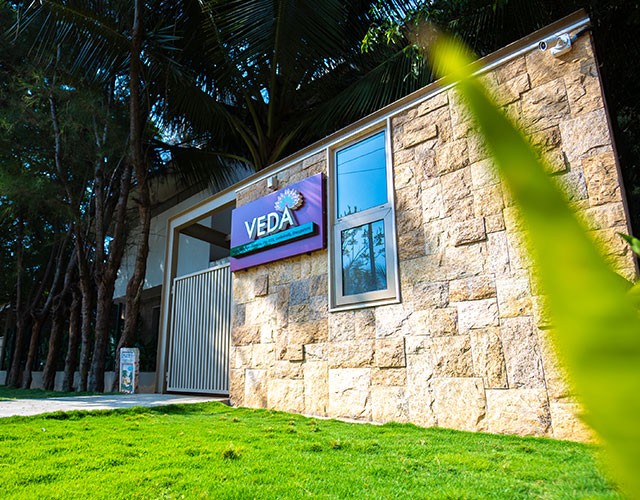
At Veda, we work with a one client to one therapist model that gives people much deeper support. Many clients also choose short term or long term residential treatment in our centres across Mumbai, Delhi and Bengaluru because it gives structure, privacy and a chance to reset life without distractions.
If the person is ready to change, create a supportive environment. Limit availability of alcohol at home. Reduce contact with friends who encourage drinking. Replace evening drinks with healthier routines like walks, yoga or family dinner.
Recovery is not only about stopping alcohol. It is about building a healthier routine. Sleep. Nutrition. Exercise. Therapy. Mindfulness. These repair the brain and strengthen emotional resilience.
There will be good days and tough days. Some days will feel like progress and some may feel like setbacks. This is normal. Addiction recovery is not linear. Consistency matters more than perfection.
Waiting makes addiction stronger. The sooner treatment begins, the easier the journey becomes.
Many families try to handle alcohol addiction on their own. Some people try to quit at home. Some reduce drinking slowly. Some hide it. Some promise that they have it under control.
But long term alcohol addiction changes the brain. It affects decision making, emotional balance and impulse control. Therapy teaches people skills to rebuild their life in a structured way.
Professional treatment provides:
For many high profile clients or families who prefer privacy, Veda offers confidential residential care where recovery happens in a peaceful, structured and supportive environment.
Alcohol addiction does not mean someone is weak. It does not mean they have failed. It simply means their brain and body need help to reset. Recovery is not only possible, it is common. People return to normal healthy lives every single day.
The most powerful thing you can do is act early. Notice the signs of alcohol addiction. Have honest conversations. Explore treatment options. And remember that you are not alone in this.
At Veda Rehabilitation and Wellness, we see people walk in with fear and walk out with confidence. We see families who had lost hope come back together. We see clients who said “I can never quit” become alcohol free for years.
You or your loved one can be one of those stories.
Whenever you are ready, help is available.
Start with a calm conversation, not confrontation. Share your concern gently and ask if they are open to getting a medical or psychological assessment. This small step helps understand how severe the addiction is and which treatment approach is safest.
Some people with very mild dependence may manage to cut down slowly, but for most, quitting suddenly at home can be risky. Heavy drinkers can face serious withdrawal symptoms. A medically supervised detox is always safer and more effective.
Not necessarily. Treatment is personalised. Some people need a few weeks of residential care, while others may need longer like 3 months also. What matters is building emotional stability, breaking the addiction cycle and ensuring long-term support so relapse risk is low.
There is no fixed timeline. Detox may take a few days, therapy may take weeks, and emotional recovery continues over months. What truly matters is consistency. With the right treatment and support, people often return to stable, healthy lives faster than expected.
No. Relapse can happen during recovery because addiction is a chronic condition. It doesn’t mean failure. It means the person needs renewed support, better coping strategies and stronger aftercare. Many people achieve long-term sobriety even after a setback.