Marijuana Addiction Treatment for Lasting Recovery

  • Home
  • Marijuana Addiction Treatment for Lasting Recovery

Marijuana (Cannabis) Use Disorder is far more common in India than most people acknowledge. According to the Ministry of Social Justice, cannabis is the second most widely misused substance in the country. Yet most people who need help never seek it, because they are not sure what they are dealing with is ‘serious enough’.

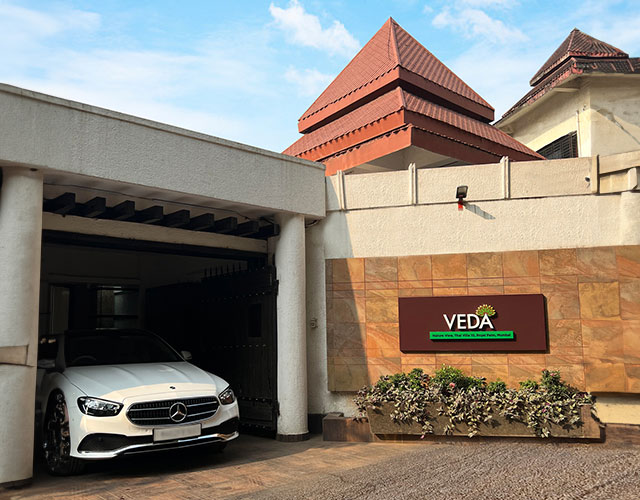
At Veda Rehabilitation and Wellness, one of India’s most discreet luxury rehabilitation centres, we have helped individuals from over 18 countries recover from cannabis dependency. With only 8 in-patients at a time, every person receives the focused, genuinely personalised care that recovery actually requires.
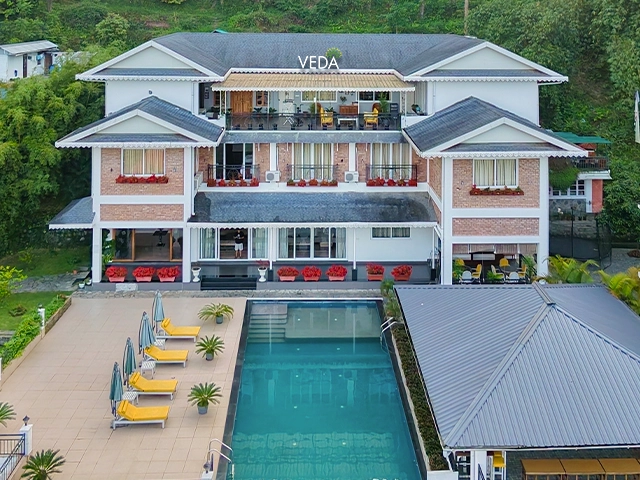
We go beyond conventional rehab centers in India by offering individualized treatment plans, organic and nutritious meals and a calm, luxurious environment that supports healing and long-term recovery.

What is Marijuana?

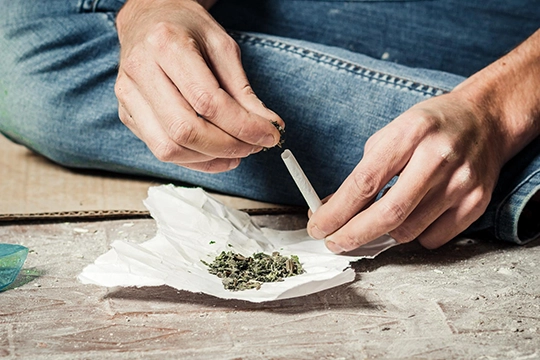
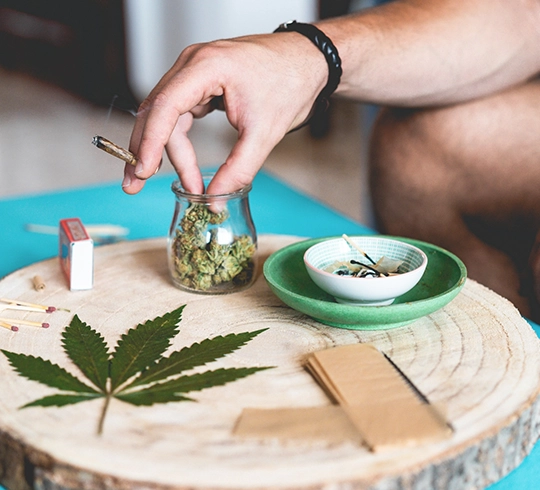
Marijuana also called cannabis, weed, ganja, or charas in India, is a psychoactive substance derived from the Cannabis sativa plant. Its primary active compound, THC (tetrahydrocannabinol), binds to receptors in the brain’s reward system, producing feelings of euphoria, relaxation, and altered sensory perception.

This is why many people initially find it appealing and why it can become habit-forming. With high-potency cannabis products now widely accessible across Indian cities, the risk of developing Cannabis Use Disorder (CUD) is significantly higher than it was even five years ago.

Importantly, marijuana addiction is primarily psychological. Unlike alcohol or opioids, it does not create the same severe physical dependence, but the psychological hold it creates can be just as powerful, and just as difficult to break alone. 

Signs and Symptoms of Marijuana Addiction

Many people minimise marijuana dependency because it does not look the way addiction ‘should’ look. There are no blackouts, no visible withdrawal, no dramatic rock bottom. Instead, it creeps in quietly. Here is what to actually look for:

Psychological Signs

  • Strong, recurring cravings — the urge to use feels hard to ignore or delay
  • Using marijuana specifically to manage stress, anxiety, loneliness, or emotional pain
  • Inability to relax, sleep, or feel 'normal' without it
  • Persistent low mood, irritability, or anhedonia (inability to feel pleasure) when not using

Behavioural Signs

  • Losing interest in hobbies, relationships, or ambitions that once mattered
  • Spending increasing time obtaining, using, or recovering from its effects
  • Continuing to use despite recognising it is causing problems
  • Repeated failed attempts to cut down or stop
  • Becoming defensive, secretive, or irritable when the subject is raised

Physical Signs

  • Disrupted sleep — difficulty falling asleep without it; vivid, disturbing dreams when stopping
  • Significant changes in appetite and weight
  • Persistent fatigue, brain fog, or difficulty concentrating
  • Frequent cough or respiratory issues (for those who smoke)
  • Reduced motivation and physical energy

What Causes Marijuana Addiction?

Several factors can contribute to marijuana addiction:

  • Genetics: A family history of addiction can increase risk.
  • Early Use: Starting at a young age raises the chances of dependency.
  • Mental Health Issues: Anxiety, depression, or emotional distress may lead someone to use marijuana as a coping mechanism.
  • External Pressures: Stress, peer pressure or lack of emotional support can encourage substance use.
  • Trauma: Experiences such as abuse, neglect or difficult environments may lead individuals to rely on marijuana for temporary relief.

How Is Marijuana Addiction Diagnosed?

At Veda, diagnosis is not a checkbox exercise. It is a thoughtful clinical conversation, conducted by qualified psychiatrists and psychologists, that explores:

  • Patterns of use — frequency, quantity, method, and duration
  • The impact on work, relationships, health, and daily functioning
  • Co-occurring mental health conditions (dual diagnosis assessment)
  • Psychological and situational triggers
  • Previous treatment history and prior attempts to stop

This process allows us to build a treatment plan that is calibrated to you — not a template applied to everyone who walks through the door.

Veda's Marijuana Addiction Treatment Programme

Our programme is structured in two core phases and typically spans 3 months long enough for genuine, deep change, not just surface stabilisation.

Phase 1 — Detox, Stabilisation and Root-Cause Therapy

Mental and Physical Detox
The first step is safely clearing marijuana from the system while managing withdrawal. Our medical and psychological team provides:
  • 24/7 medical and psychiatric monitoring during the detox window
  • Medication support where clinically indicated, to ease discomfort and prevent complications
  • A calm, structured environment designed to ease the transition to sobriety
Evidence-Based Psychotherapy
Detox addresses the physical. Therapy addresses the why. At Veda, we use:

Cognitive Behavioural Therapy (CBT)

Identifying and restructuring the thought patterns that drive use.

Dialectical Behaviour Therapy (DBT)

Building emotional regulation, distress tolerance, and interpersonal effectiveness.

Motivational Interviewing (MI)

Strengthening internal motivation and resolving ambivalence about change.

Trauma-Informed Care

For clients whose dependency is rooted in unresolved adverse experiences.

Dual Diagnosis Treatment

Addressing co-occurring anxiety, depression, or ADHD alongside the addiction.

Holistic Mind-Body Healing
Clinical therapy is one pillar of recovery. The body, the nervous system, and the spirit need to heal too. Every day at Veda includes:
Yoga and Physical WellnessRestoring the body's natural energy and emotional regulation.
Meditation and MindfulnessBuilding the capacity to sit with difficult feelings without escaping.
BreathworkRegulating the nervous system and reducing anxiety without substances.
Sound Healing and ReikiEvidence-informed complementary practices for stress reduction.
Art Therapy, Music Therapy, and Rock BalancingCreative expression as a tool for processing emotion.
Sports and Recreational ActivitiesRebuilding motivation, connection, and physical vitality.

Phase 2 — Relapse Prevention, Life Skills and Aftercare

Relapse Prevention and Coping Mechanisms
Recovery does not end at discharge. Phase 2 prepares clients for real life:
  • Identifying high-risk triggers and developing personalised, tested coping responses
  • Life skills training for reintegration — routines, relationships, work, and social situations
  • Family involvement and counselling rebuilding trust and communication at home
  • Regular follow-up sessions and outpatient support post-discharge
  • Structured aftercare plan co-created before leaving

Why Families Choose Veda for Marijuana Addiction Treatment in India

  • Only 8 in-patients at a time, so care is genuinely personal, not a production line
  • Clients may keep their phones and work remotely from the centre
  • Family visits are actively encouraged throughout the programme
  • Organic, nutritious meals tailored to support healing
  • Enso, our certified support dog, brings warmth and emotional comfort to the floor
  • Trusted by individuals and families from over 18 countries
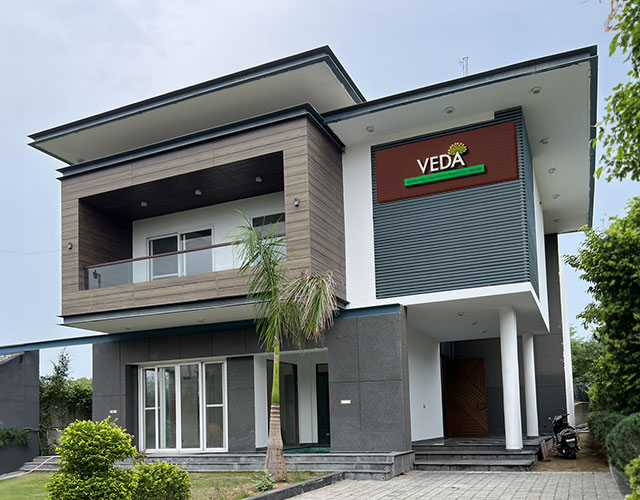
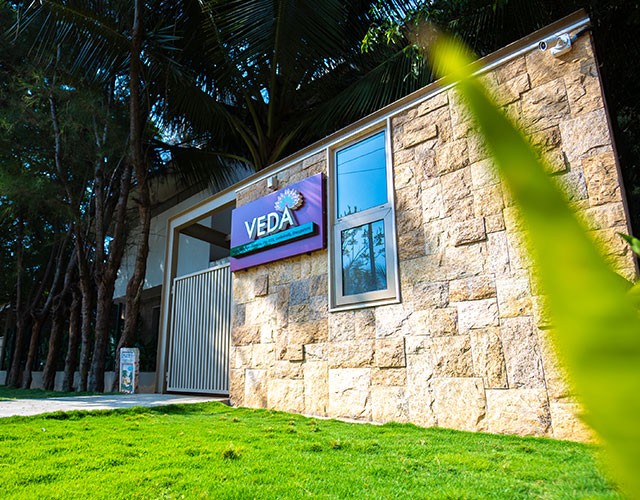
  • Centres in Mumbai, Bengaluru, and New Delhi
  • Every treatment is evidence-based from psychiatry to sound healing

Duration of treatment : 3 Months

You Want To Know What A Day At Veda Looks Like?

This is a Sample of Daily Schedule at Veda

Trusted alcohol rehabilitation centre with experienced addiction specialists

7:00 – 8:00 AM

Morning beverage (Tea, coffee, or detox juice) + Physical activity (Yoga, pickleball, or gym workout)

Trusted alcohol rehabilitation centre with experienced addiction specialists

8:00 – 10:00 AM

Breakfast (flexible timing) + Shower and preparation for the day.

Trusted alcohol rehabilitation centre with experienced addiction specialists

10:30 AM

Morning prayer or gratitude practice

Trusted alcohol rehabilitation centre with experienced addiction specialists

11:00 AM

Therapy Session (Individual session with psychologist)

Trusted alcohol rehabilitation centre with experienced addiction specialists

12:30 PM

Therapeutic Assignments (Written assignments, psychoeducation, or reading).

Trusted alcohol rehabilitation centre with experienced addiction specialists

1:30 PM

Lunch (flexible timing) + Afternoon Free Time (Approx 2 hours)

Trusted alcohol rehabilitation centre with experienced addiction specialists

3:30 PM

Creative & Healing Therapies (Art therapy, music therapy, or sound healing (approx. 1 hour)

Trusted alcohol rehabilitation centre with experienced addiction specialists

5:00 PM

Group Activities (Group session or group activity for approx. 1 hour)

Trusted alcohol rehabilitation centre with experienced addiction specialists

6:30 PM

Evening Wellness (Sports, walk, meditation, or mindfulness session approx. 1–1.5 hours)

Trusted alcohol rehabilitation centre with experienced addiction specialists

8:00 – 10:00 PM

Dinner (flexible timing)

Trusted alcohol rehabilitation centre with experienced addiction specialists

10:00 PM

Bedtime

What Is The Cost Of The Treatment?

All rates are inclusive of taxes, accommodation, meals, treatment, and all common wellness practices.

Excludes: specially prescribed medications and diagnostic blood tests where required.

Our Rehab Centres

Take the First Step Toward Recovery

If you or someone you love is struggling with marijuana addiction, seeking professional help can be life-changing. Veda Rehabilitation is here to guide you through the journey of recovery with compassion, expertise and commitment.

Locations

New Delhi

Veda, 18A, Mother Teresa Dr, Dera Village, Fatehpur Beri, New Delhi, Delhi 110074

Mumbai

Veda, Thai Villa 10, Nature's View, Royal Palm, Royal Palms Estate, Aarey Colony, Goregaon, Maharashtra 400065

Bangalore

6, Veda, M.S Engineering, college Road, Opp. to Namma Swimming Pool, Navarathna Agrahara, Bengaluru, Karnataka 562157

FAQ Related to Marijuana Addiction Treatment

Can marijuana be addictive even if it is a natural plant?
Yes. ‘Natural’ does not mean non-addictive. Approximately 9% of people who use marijuana develop Cannabis Use Disorder rising to 17% for those who begin in adolescence. The plant’s THC content in modern, high-potency strains is many times higher than it was decades ago, significantly raising addiction risk.
Key indicators include: daily or near-daily use, inability to stop despite wanting to, loss of motivation or interest in activities, using cannabis to manage emotions or sleep, irritability and anxiety when not using, and continued use despite negative consequences to work, health, or relationships.
Our psychiatrists and psychologists conduct a structured clinical assessment covering frequency and pattern of use, impact on daily functioning, co-occurring mental health conditions, psychological triggers, and readiness for change. This typically takes place in the first 1–2 days of admission.
At Veda, treatment combines medically supervised detox, individual psychotherapy (CBT, DBT, trauma-informed approaches), group therapy, family counselling, mind-body wellness practices, and a structured relapse prevention programme. The full programme spans 3 months.
At Veda, the core residential programme is 3 months. This allows enough time for both stabilisation and deeper therapeutic work. An aftercare plan is co-created before discharge to support ongoing recovery.
Completely. Privacy and discretion are fundamental to how Veda operates. No information about a client’s admission or treatment is ever shared without explicit consent.

Resistance is common, especially early on. Our team is experienced in guiding families through how to approach the conversation and when a professional intervention may be the right next step. Please speak with us before giving up.