The Invisible Struggle: Addiction Behind Perfect Instagram Lives

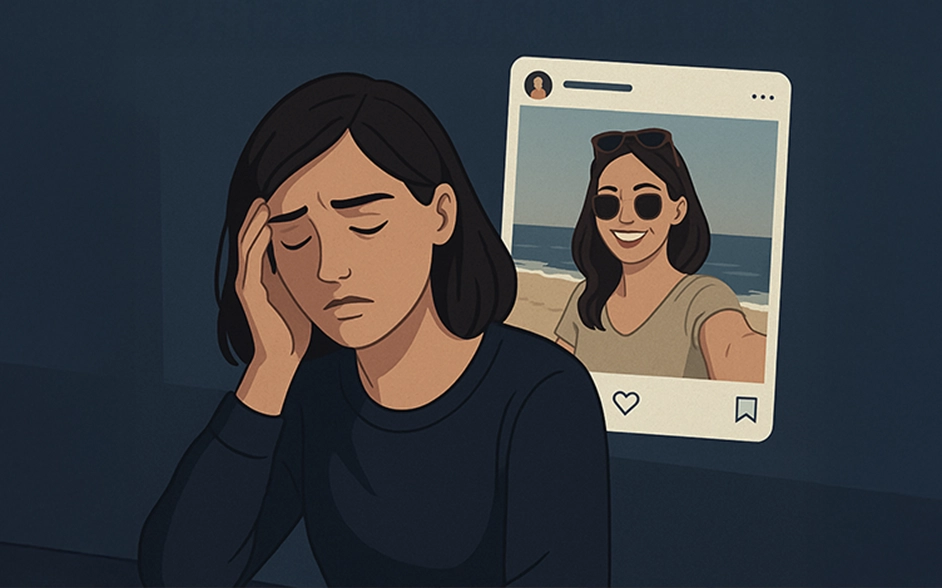
Every day, we scroll through endless posts of smiling faces, beach vacations, fitness goals, and “just another coffee run” stories.

But behind the filters and perfectly framed selfies, there’s a quieter truth which is one of loneliness, pressure, and comparison. 

Welcome to the invisible epidemic of social media addiction, especially among urban women who appear to “have it all.”

When Connection Starts to Feel Like Pressure

Social media was meant to connect us and, in many ways, it still does.

But what started as a tool for staying in touch has slowly turned into a mirror that reflects who we should be, not who we are.

Every time we scroll through our feeds, our brain releases dopamine which is the same “feel-good” chemical triggered by gambling, shopping, or even drugs.

Over time, this creates dependency. We keep checking, scrolling, and comparing, hoping for the next tiny hit of approval in the form of likes and comments.

This is the subtle trap of Instagram addiction where it doesn’t shout, it whispers.

And it quietly rewires how we see ourselves.

Social Media and Self-Esteem: The Hidden Battle

At first glance, everything looks fine.

Successful career. Great friends. Aesthetic photos.

But under that digital glow, many women today struggle with low self-esteem, anxiety, and emotional exhaustion.

The more we scroll, the more we compare our bodies, homes, relationships, and lifestyles.

This constant social media comparison and depression loop makes us feel like we’re always behind, never enough, and always performing for an invisible audience.

One study on the effects of social media on mental health showed that frequent users of Instagram reported higher levels of anxiety and loneliness than those who took breaks.

Ironically, in trying to stay connected, many people are feeling more disconnected than ever.

The Psychological Effects of Instagram

Instagram is built for visual storytelling but it also breeds visual comparison.

When every photo is curated to look flawless, our brains forget that it’s not real life.

Here’s what happens behind the screen:

  1. Dopamine Dependence: Every like or comment gives a quick boost of happiness, which fades fast leading to more scrolling.
  2. Social Comparison: We compare our messy reality to someone else’s highlight reel.
  3. Perfectionism: We start posting to impress, not to express.
  4. Sleep Disruption: Late-night scrolling disturbs our sleep cycle and impacts mood.
  5. Identity Confusion: Over time, we lose touch with who we are without digital validation.

These are the signs of social media addiction that often go unnoticed until burnout hits.

Why Urban Women Are Most Vulnerable

Women, especially in urban cities like Mumbai, Delhi, and Bengaluru, are juggling multiple roles as professionals, caregivers, partners, and friends.

Social media adds another invisible job: maintaining a perfect online presence.

For many, Instagram becomes both a diary and a disguise.

It’s where we express and hide.

We share our happiness, but not our panic attacks.

We post family brunches, but not sleepless nights.

Over time, this duality creates emotional isolation which is a feeling of being surrounded yet unseen.

At
Veda Rehabilitation & Wellness, we’ve seen countless women who come in not just struggling with alcohol or work stress, but with social media addiction that has quietly damaged their confidence and relationships.

How Social Media Affects Mental Health

Psychologists often compare the impact of social media to emotional noise.

You may not notice it at first, but over time, it drains you.

Here’s how constant exposure impacts your mind:

  • Anxiety and Comparison: Seeing idealized lives triggers “achievement anxiety.”
  • Reduced Focus: The constant urge to check notifications affects productivity.
  • Sleep Disorders: Blue light and late-night scrolling disturb melatonin release.
  • Loneliness: Despite constant interaction, emotional depth in relationships decreases.
  • Self-Worth Issues: Our value begins to depend on numbers — likes, followers, and comments.

In other words, social media can become a digital mirror that distorts self-image especially when there’s already emotional stress or self-doubt.

When Likes Stop Feeling Like Love

The hardest part of mental health and social media is that it looks normal.

We all do it a few minutes on the phone before bed, a few scrolls in between tasks.

But slowly, those few minutes turn into hours.

If you often:

  • Reach for your phone the moment you wake up
  • Feel low when your posts don’t perform well
  • Lose track of time online
  • Compare your life constantly with others
  • Feel anxious when you can’t check your phone

Then you might be experiencing early signs of social media addiction.

The Power of a Digital Detox for Mental Health

A digital detox for mental health doesn’t mean deleting your accounts forever.

It means creating boundaries and using social media mindfully, not mindlessly.

Here are some therapist-approved practices from Veda Rehabilitation & Wellness:

  1. Schedule Scrolls: Check your apps at specific times, not every few minutes.
  2. Mute & Unfollow: Remove accounts that trigger comparison or anxiety.
  3. Morning Rule: Avoid screens for the first 30 minutes after waking up.
  4. Replace, Don’t remove: Swap scrolling with something grounding like journaling, walking, breathing.
  5. Go Offline one day a week: Let your nervous system rest.

Taking a break from the digital world is like pressing reset on your brain’s stress response.

Where Healing Feels Like Home — Veda’s approach

At Veda Rehabilitation & Wellness, we see social media addiction not as a weakness, but as a modern symptom of emotional overload.

Our therapists and wellness experts help clients disconnect safely and rebuild healthy digital habits through:

  • Psychological Therapy: CBT, mindfulness-based interventions, and self-esteem rebuilding.
  • Holistic Healing: Yoga, meditation, art therapy, and breathwork for inner calm.
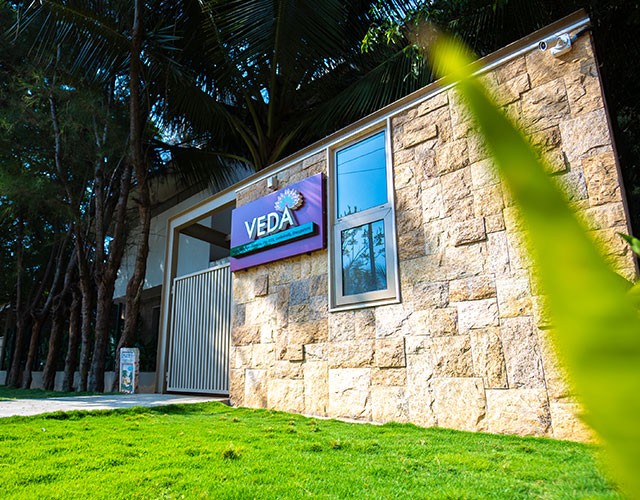
  • Luxury Environment: Calm, green surroundings where you don’t feel you’re in Mumbai which is perfect for digital rest.
  • Freedom & Comfort: Private rooms, healthy food, and guided use of devices for work if needed.
  • Customized Plans: Each program blends modern psychology and ancient Indian therapies for lasting results.

Veda isn’t just a luxury rehab for social media addiction but it’s a sanctuary where silence feels safe, not scary.

The Story of Aditi — From Perfect Posts to Peace

Aditi, a marketing professional from Mumbai, came to Veda after realizing her mental health was slipping.

Her Instagram looked like a dream full of weekend getaways, brunches, endless smiles.

But in reality, she felt numb and disconnected.

At Veda, she learned to understand her emotional triggers which were perfectionism, fear of judgment, and lack of boundaries.

With therapy, yoga, and gentle digital detox routines, she rebuilt her confidence and found joy in her real life again.

“I used to chase likes,” she says.
“Now I chase peace.”

Healing Begins When You Pause

Social media isn’t evil, it’s just loud.

But sometimes, you need quiet to hear yourself again.

If your relationship with Instagram feels more like anxiety than inspiration, it’s okay to step back.

Healing isn’t about quitting; it’s about finding balance between the online world and your inner one.

At Veda Rehabilitation & Wellness, we help women rediscover that balance every day through care, compassion, and calm surroundings that feel like home.

Because strength isn’t pretending to be perfect online — it’s having the courage to heal offline.

Leave A Comment

Your email address will not be published. Required fields are marked *