Alcohol Rehab & De-Addiction Treatment in India

  • Home
  • Alcohol Rehab & De-Addiction Treatment in India

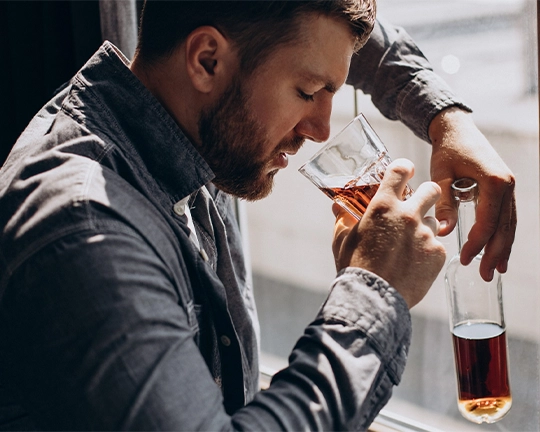
Maybe it started as a way to unwind after work. Or to sleep. Or to get through a difficult season. But somewhere along the way, ‘sometimes’ became ‘every day’ and now you are watching it affect their health, their mood, their relationships, and their sense of self.

Alcohol Use Disorder is the most prevalent substance addiction in India. According to the Ministry of Social Justice and Empowerment, over 14.6% of Indians who use alcohol develop a dependency. It is also one of the most successfully treated conditions when the right clinical support is in place.

Veda Rehabilitation and Wellness, India’s most discreet and genuinely personalised alcohol de-addiction programmes. With a maximum of 8 in-patients at any time across our centres in Mumbai, Bengaluru, and New Delhi, every person we treat receives real, focused clinical attention, not a standardised programme with their name attached.

When Does Drinking Become Alcohol Addiction?

There is no single threshold. Alcohol Use Disorder, the clinical term used in India and internationally, is defined not by quantity but by impact and control.
Consider seeking professional help at an alcohol de-addiction centre if you notice any of the following:

Physical Warning Signs

  • Needing to drink first thing in the morning to feel normal
  • Physical withdrawal symptoms when drinking stops — tremors, sweating, nausea, insomnia, or seizures
  • A significant increase in tolerance: needing more alcohol to feel the same effect
  • Blackouts or memory gaps after drinking

Behavioural Warning Signs

  • Repeated, failed attempts to cut down or stop
  • Drinking has become secretive, solitary, or defensively justified
  • Continuing to drink despite clear, ongoing consequences to work, health, or relationships
  • Alcohol is now used specifically to manage stress, anxiety, loneliness, or sleep

Emotional and Relational Warning Signs

  • Significant personality or mood changes — irritability, emotional volatility, or withdrawal when sober
  • Relationships are being damaged — arguments, broken promises, emotional distance
  • The person has lost interest in activities, hobbies, or relationships that used to matter

What Most Families Are Feeling Right Now

Before reaching out to an alcohol rehabilitation centre, most families spend weeks — sometimes months — cycling through the same questions:

  • “Are we overreacting? Is it really that bad?”
  • “What if they refuse to go to rehab?”
  • “Will sending them to a rehabilitation centre damage our relationship?”
  • “Maybe it will get better on its own if we just wait a little longer.”

These thoughts come from love. And they are completely natural.

But here is what sixteen years of working with families has shown us consistently: the families who reach out earlier almost always report smoother recoveries, less damage to relationships, and better long-term outcomes for their loved ones.

You do not need to be certain before calling. You do not need to have tried everything. You do not need to wait for it to get worse.

A single confidential conversation is enough to start.

How Veda Treats Alcohol Addiction — Our Clinical Programme

Our alcohol de-addiction treatment is structured in two phases, covering a full 3-month residential programme. Every element is evidence-based and every plan is personalised.

Phase 1 — Medical Detox, Stabilisation & Root-Cause Therapy

Step 1 — Medically Supervised Alcohol Detox
Alcohol withdrawal is medically serious — and in some cases, life-threatening. Unlike cannabis or most other substances, stopping alcohol abruptly without medical supervision can cause dangerous seizures, delirium tremens, and severe cardiovascular stress.
At Veda, detox is always conducted under direct medical oversight. Our team provides:
  • 24/7 medical and psychiatric monitoring throughout the detox window
  • Clinically appropriate medication protocols to prevent complications and manage discomfort
  • Gradual, controlled tapering where appropriate for severe physical dependence
  • Continuous psychological support during what is physically and emotionally the hardest phase
Step 2 — Evidence-Based Psychotherapy
Detox removes alcohol from the body. Therapy addresses why it was there in the first place. At Veda, we use a combination of:
  • Cognitive Behavioural Therapy (CBT) identifying and restructuring the thought patterns and beliefs that sustain drinking
  • Dialectical Behaviour Therapy (DBT) building emotional regulation, distress tolerance, and interpersonal effectiveness
  • Motivational Interviewing (MI) strengthening the internal commitment to change and resolving ambivalence
  • Trauma-Informed Therapy for clients whose dependency is rooted in adverse life experiences, abuse, or PTSD
  • Dual Diagnosis Treatment addressing co-occurring depression, anxiety, ADHD, or bipolar disorder simultaneously, because treating one without the other leads to relapse
Step 3 — Holistic Mind-Body Healing
Clinical therapy is one pillar. The nervous system, the body, and the spirit need to heal too. Every day at Veda includes:
  • Yoga and physical activity — rebuilding physical vitality and natural mood regulation
  • Meditation and mindfulness — developing the capacity to experience difficult emotions without numbing them
  • Breathwork — regulating the autonomic nervous system, reducing anxiety and craving intensity
  • Sound healing and Reiki — evidence-informed complementary practices for deep nervous system repair
  • Art therapy and music therapy — creative outlets for emotional processing and self-expression
  • Sports and group activities — rebuilding motivation, social confidence, and enjoyment of life sober
  • Organic nutrition — every meal is designed to repair the body and stabilise mood and energy

Phase 2 — Relapse Prevention, Life Skills & Structured Aftercare

Step 4 — Relapse Prevention Planning
Recovery does not end at discharge. Phase 2 is specifically designed to prepare clients for real life after rehabilitation:
  • Identifying personal high-risk triggers — the people, emotions, situations, and environments that drive craving
  • Building a personalised, tested set of coping responses before leaving
  • Life skills training: rebuilding routines, managing finances, navigating social situations sober
  • Occupational and vocational support where relevant
Step 5 — Family Therapy and Involvement
Alcohol addiction does not happen in isolation — and neither does recovery. At Veda:
  • Family therapy sessions are a built-in part of the programme, not an optional add-on
  • Families receive regular updates, guidance, and communication throughout treatment
  • We address codependency, enabling patterns, and communication breakdowns, because the home environment the client returns to is as important as the treatment itself
Step 6 — Aftercare and Follow-Up
  • A personalised aftercare plan is co-created before discharge
  • Regular follow-up counselling sessions post-discharge
  • Outpatient support and crisis access where needed
  • Continued family guidance during the critical first months at home

What Your Loved One's Recovery Journey Looks Like — Week by Week

One of the greatest fears families carry is not knowing what actually happens inside an alcohol rehabilitation centre. Here is a transparent, honest overview:

Stage What Happens
Days 1–3: Arrival and Assessment Medical and psychological assessments, orientation to the programme, meeting the team, emotional settling — in a calm, private environment
Week 1: Detox and Stabilisation Medically supervised alcohol detox, withdrawal management, initial psychiatric consultation, and gradual introduction to daily structure
Week 2: Early Therapy Individual therapy begins, group sessions start, triggers identified, emotional processing, daily wellness routine established
Weeks 3–8: Core Recovery Work Deepening psychological work, dual diagnosis treatment, family sessions introduced, skills building, milestone celebrations
Weeks 9–12: Relapse Prevention Relapse prevention planning, life skills training, family reintegration preparation, aftercare plan finalised
Post-Discharge: Aftercare Follow-up counselling, outpatient support, family guidance, ongoing access to the Veda clinical team

Duration of treatment : 3 Months

You Want To Know What A Day At Veda Looks Like?

This is a Sample of Daily Schedule at Veda

Trusted alcohol rehabilitation centre with experienced addiction specialists

7:00 – 8:00 AM

Morning beverage (Tea, coffee, or detox juice) + Physical activity (Yoga, pickleball, or gym workout)

Trusted alcohol rehabilitation centre with experienced addiction specialists

8:00 – 10:00 AM

Breakfast (flexible timing) + Shower and preparation for the day.

Trusted alcohol rehabilitation centre with experienced addiction specialists

10:30 AM

Morning prayer or gratitude practice

Trusted alcohol rehabilitation centre with experienced addiction specialists

11:00 AM

Therapy Session (Individual session with psychologist)

Trusted alcohol rehabilitation centre with experienced addiction specialists

12:30 PM

Therapeutic Assignments (Written assignments, psychoeducation, or reading).

Trusted alcohol rehabilitation centre with experienced addiction specialists

1:30 PM

Lunch (flexible timing) + Afternoon Free Time (Approx 2 hours)

Trusted alcohol rehabilitation centre with experienced addiction specialists

3:30 PM

Creative & Healing Therapies (Art therapy, music therapy, or sound healing (approx. 1 hour)

Trusted alcohol rehabilitation centre with experienced addiction specialists

5:00 PM

Group Activities (Group session or group activity for approx. 1 hour)

Trusted alcohol rehabilitation centre with experienced addiction specialists

6:30 PM

Evening Wellness (Sports, walk, meditation, or mindfulness session approx. 1–1.5 hours)

Trusted alcohol rehabilitation centre with experienced addiction specialists

8:00 – 10:00 PM

Dinner (flexible timing)

Trusted alcohol rehabilitation centre with experienced addiction specialists

10:00 PM

Bedtime

What Is The Cost Of The Treatment?

Includes Accommodation, Meals, Treatment,
All Common Wellness Practices, Etc.

Excludes any special prescribed medication, blood test work etc

What is the guarantee that this will work and he / she will be de-addicted?

No one ethical can promise a permanent cure. Addiction is a chronic, relapsing brain condition, and relapse rates are like other chronic illnesses like asthma or hypertension. That is why guarantees are not medically honest. The good news is that treatment works, and your odds improve a lot when we combine therapy, medicine, wellness practices, time in care, and a structured aftercare plan. 

That is the honest promise we make, and we will walk that path with you. 

Our Rehab Centres

Take the First Step Toward Recovery

If you or someone you love is struggling with alcohol addiction, seeking professional help can be life-changing. Veda Rehabilitation is here to guide you through the journey of recovery with compassion, expertise, and commitment.

Locations

New Delhi

Veda, 18A, Mother Teresa Dr, Dera Village, Fatehpur Beri, New Delhi, Delhi 110074

Mumbai

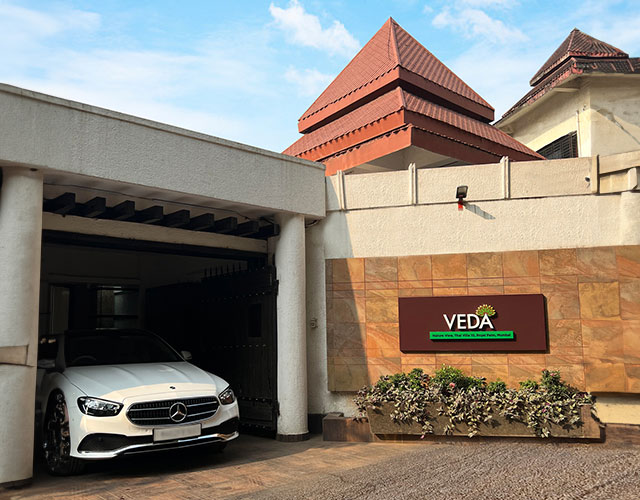
Veda, Thai Villa 10, Nature's View, Royal Palm, Royal Palms Estate, Aarey Colony, Goregaon, Maharashtra 400065

Bangalore

6, Veda, M.S Engineering, college Road, Opp. to Namma Swimming Pool, Navarathna Agrahara, Bengaluru, Karnataka 562157

FAQs

How to take Alcohol Addiction Treatment?

Overcoming alcohol addiction starts with acknowledging the problem and seeking professional help from mental health professionals (psychologists and psychiatrists). Treatment options include detoxification to safely eliminate alcohol from the body, rehabilitation programs for intensive therapy and support, and ongoing counseling or therapy to address underlying issues and maintain sobriety. Each person’s journey is unique, so it’s important to find a tailored approach that fits individual needs.

Detoxification in alcohol addiction treatment is the process of allowing the body to rid itself of alcohol while managing the symptoms of withdrawal, such as tremors, nausea, excessive sweating and so on, and in some cases more severe forms of withdrawals such as hallucinations and seizures. It is typically the first step in the treatment process and is often conducted under medical supervision to ensure safety. During detox, medical professionals may provide medications to ease withdrawal symptoms, monitor vital signs, and offer support to prevent complications. The goal is to stabilize the individual and prepare them for further treatment, such as rehabilitation and therapy.
Alcohol rehabilitation centers in India offer a range of services to help individuals overcome addiction and maintain sobriety, including:
  • Detoxification:Medically supervised withdrawal management.
  • Counseling and Therapy:Individual, group, and family sessions to address psychological aspects.
  • Pharmacotherapy:Medications to manage symptoms and reduce cravings.
  • Holistic Therapies: Yoga, meditation, art therapy, and fitness programs.
  • Education and Relapse Prevention:Training on addiction and strategies to avoid relapse.
  • Aftercare and Support Groups:Ongoing support during the maintenance phase of recovery.
  • Family Support Services:Counseling and education for families to aid in recovery.
These services collectively address the physical, emotional, and psychological aspects of addiction for comprehensive recovery.

Alcohol rehab centers offer a variety of therapies, including individual and group therapy, designed to help individuals overcome addiction and achieve lasting recovery. These therapies include:

  • Motivation Enhancement Therapy (MET):Enhances motivation to change by exploring and resolving ambivalence about alcohol use. And making contingency plans to maintain sobriety.
  • Cognitive-Behavioral Therapy (CBT):Helps individuals identify and change negative thought patterns and behaviors related to alcohol use.
  • Dialectical Behavior Therapy (DBT):Combines cognitive-behavioral techniques with mindfulness to manage emotions and reduce harmful behaviors.
  • Family Therapy:Involves family members to improve communication, address family dynamics, and support recovery.
  • Holistic Therapies:Includes yoga, meditation, art therapy, and fitness programs to promote overall well-being.

These therapies are often combined to create a comprehensive, individualized treatment plan.

Luxury alcohol rehab centers offer a range of high-end amenities to enhance comfort and support recovery in a serene and upscale environment. These amenities typically include:
  • Private Accommodations:Spacious, well-furnished private rooms or suites with high-quality bedding and personal amenities.
  • Gourmet Meals:Nutritious and delicious meals prepared by professional chefs, often with customizable dietary options.
  • Fitness Facilities:State-of-the-art gyms, yoga and fitness classes to promote physical well-being.
  • Holistic Treatments: Services such as meditation, mindfulness, and creative arts therapy to support overall wellness.
  • Recreational Activities:Opportunities for activities like cycling, swimming or hiking to provide enjoyable, healthy diversions.
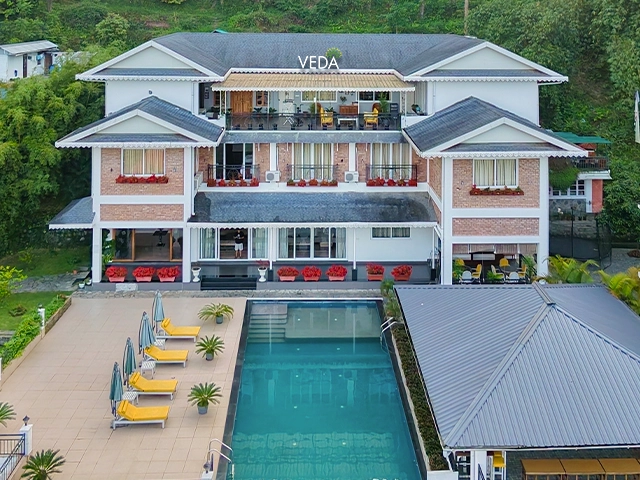
  • Beautiful Surroundings:Located in scenic areas such as beachfronts, mountains, or countryside, providing a tranquil setting for recovery.
  • Technology and Entertainment: Access to the internet, television, and other entertainment options for leisure.
  • Executive Programs:Specialized programs that allow professionals to continue working while receiving treatment, often including private meeting spaces and workstations
In India, several luxury alcohol treatment centers are renowned for offering personalized care and high-end amenities. These include:
  • Veda Rehabilitation and Wellness (Mumbai, Bangalore and Delhi): Veda Rehabilitation and Wellness is a renowned center dedicated to holistic healing and comprehensive addiction treatment. Located in tranquil settings, Veda offers personalized care tailored to each individual’s needs. Their approach combines evidence-based therapies with holistic modalities such as yoga, meditation, and mindfulness practices to address the physical, mental, and spiritual aspects of recovery. 
  • Alpha Healing Center (Gujarat): Located in the serene surroundings of Gujarat, Alpha Healing Center is a leading luxury alcohol and drug rehabilitation facility. With a focus on individualized care and comfortable accommodations, Alpha Healing Center is dedicated to supporting clients on their journey to lasting sobriety and well-being.
  • Lotus Wellness and Rehabilitation (Coimbatore):Lotus Wellness and Rehabilitation, nestled in the picturesque city of Coimbatore, is a premier center for alcohol and drug addiction treatment. With a commitment to holistic healing, Lotus Wellness integrates traditional and contemporary therapeutic modalities to address the physical, emotional, and spiritual aspects of addiction
  • Sanctum (Delhi):Sanctum, located in the heart of Delhi, is a distinguished alcohol rehabilitation center renowned for its personalized approach and luxurious amenities. Dedicated to fostering recovery in a supportive setting, Sanctum offers tailored treatment programs that combine evidence-based therapies with holistic practices.
  • Veda Rehabilitation and Wellness (Mumbai, Bangalore and Delhi): Known for its individualized approach to treatment, providing a luxurious environment with personalized therapy and holistic healing practices.
  • Alpha Healing Center (Gujarat):Offers tailored treatment plans in a serene, upscale setting with comprehensive therapy options, wellness activities, and gourmet meals.
  • Cadabams Anunitha (Bangalore):Provides personalized care with a focus on holistic healing, luxurious accommodations, and various therapeutic approaches, including cognitive-behavioral therapy and mindfulness.
  • Tulasi Health Care (Delhi):Offers customized treatment programs with a blend of traditional and modern therapeutic techniques, luxurious facilities, and holistic wellness activities.
  • Phoenix Foundation (Hyderabad): Known for its individualized treatment plans, high-end amenities, and comprehensive therapy options, including both medical and holistic approaches.
These centers emphasize a continuum of care, including post-treatment support and resources to help individuals maintain sobriety and lead fulfilling lives beyond their initial rehabilitation period.
  • Affordability: Treatment costs in India can be significantly lower compared to Western countries, making quality rehabilitation more accessible.
  • Quality of Care:Many centers in India adhere to international standards of treatment, offering comprehensive programs and experienced medical professionals.
  • Holistic Approach:Indian centers often integrate traditional healing practices like yoga, Ayurveda, meditation, and mindfulness alongside modern therapies, promoting holistic recovery.
  • Scenic Locations:Many centers are situated in serene environments, such as hill stations or coastal areas, offering a peaceful setting conducive to healing.
  • Diverse Treatment Options:From outpatient programs to luxury facilities, Indian centers cater to diverse needs and preferences, ensuring personalized treatment plans.
  • Aftercare Support:Post-treatment, centers offer robust aftercare services including counseling, support groups, and relapse prevention strategies to support long-term sobriety.
  • Privacy and Confidentiality:Centers prioritize confidentiality, offering a safe environment where individuals can focus on recovery without stigma.
Alcohol rehab centres or alcohol deaddiction centres focus on all aspects of recovery. In most cases the addiction is due to a psychological issue and resolving it is paramount to a person’s mental health. At the rehab or alcohol deaddiction centre, you go through counselling, which helps you understand some issues a lot better. It also helps one to learn tools, which help one to have control over oneself in the future. At Veda, we ensure that we do follow ups with the client for almost a year (or as required) even after the client has left the programme.
Minimum 3 months to even a year or more depending upon the person. The treatment at Veda doesn’t end as soon as the person leaves the center, we maintain follow-ups for almost a year to ensure client’s best treatment.