- Mumbai, New Delhi, Bangalore
- (+91) 81518 30000
- WhatsApp Now
- contact@vedawellnessworld.com
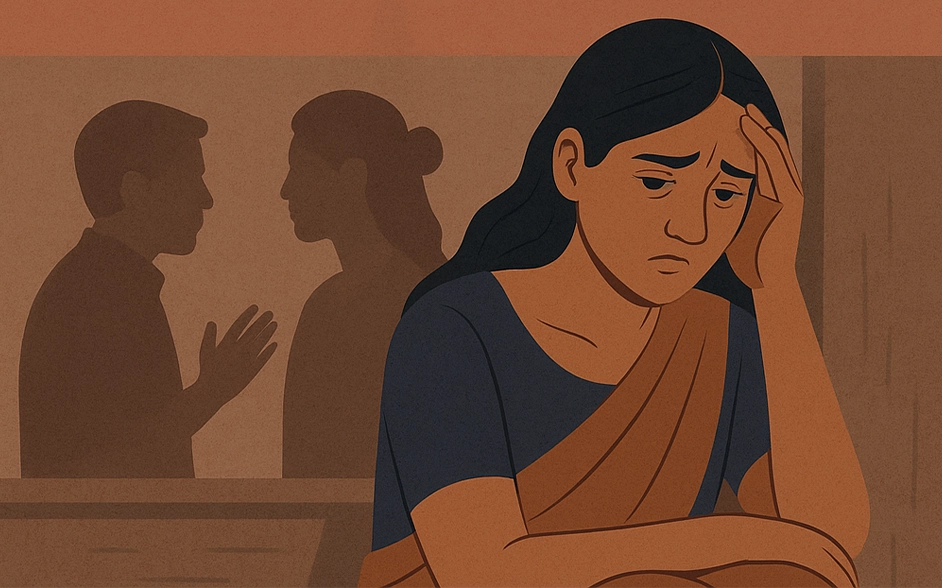
When a woman in India struggles with addiction, the first battle she faces isn’t with alcohol or drugs, it’s with silence.
Addiction in women carries layers of secrecy, guilt, and fear.
Families often whisper about it, hide it from relatives, and try to “fix it quietly” at home.
What should be treated as a health issue becomes a matter of honour.
This is how family shame and addiction keep thousands of women from getting the help they need even when effective and compassionate treatment is available.
For generations, women have been told to hold families together, not fall apart. So when emotional pain leads them to coping habits like drinking, prescription misuse, or emotional eating, they don’t reach out but they hide.
The stigma of addiction in women runs deep.
Society often labels men who drink as “social” or “stressed,” but women as “immoral” or “irresponsible.”
That double standard forces women into silence.
Many clients at Veda Rehabilitation & Wellness share that they kept their addiction hidden for years not because they didn’t want help, but because they were terrified of being judged by their own families.
“I wasn’t afraid of healing,” one client said,
“I was afraid of what my relatives would say if they found out.”
In many Indian homes, family pressure and rehab decisions go hand in hand.
Even when a woman admits she needs help, family members may delay or dismiss treatment because:
This well-meaning control often keeps women trapped between guilt and dependence.
It’s not lack of love but it’s lack of understanding that addiction is a medical and emotional condition, not a moral flaw.
In Indian culture, women are expected to be caregivers, not care receivers.
So, when addiction or depression hits, it brings intense guilt.
They blame themselves for “failing” as mothers, daughters, or wives.
This gender bias in addiction recovery means women often enter treatment much later than men by which time the addiction is more severe and harder to treat.
Families, too, feel shame.
Addiction is still viewed as a reflection of upbringing, rather than biology or circumstance.
That’s why many families prefer secrecy over support even if it delays recovery.
At Veda Rehabilitation & Wellness, one of the first steps of recovery is breaking the stigma.
Therapists help both women and their families understand that:
Creating awareness is crucial in overcoming stigma in addiction treatment.
When families learn to see addiction through a compassionate lens, recovery becomes faster, deeper, and lasting.
Most women fear their privacy will be compromised in treatment.
That’s why private rehab centers for women like Veda are essential.
Veda ensures complete confidentiality where no names are shared, no labels are attached, and no client is ever judged.
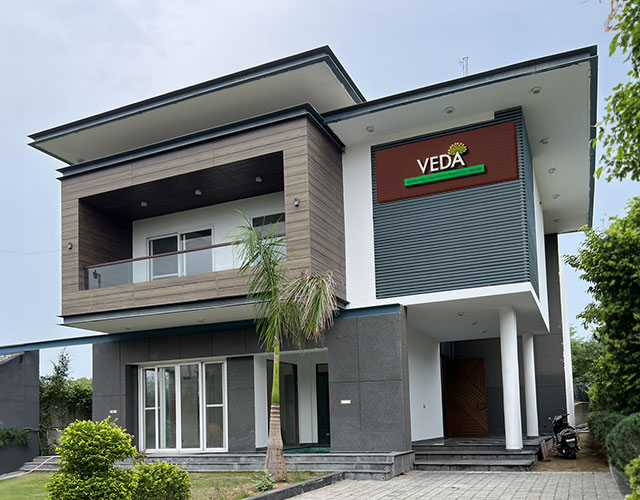
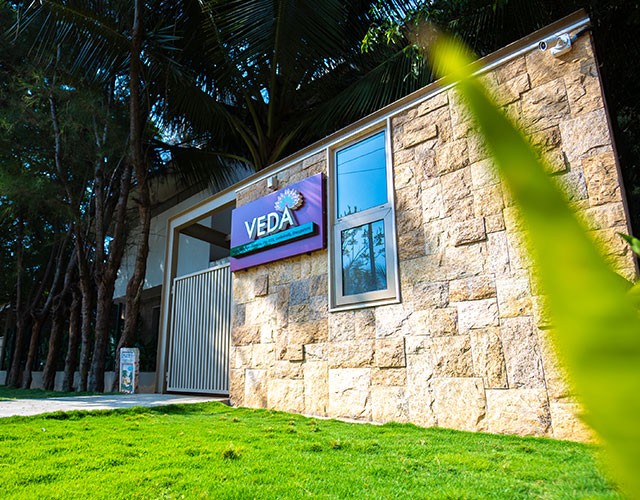
The atmosphere feels like a retreat, not a facility.
Clients can heal surrounded by greenery, silence, and warmth that reminds them of home but far from the noise and scrutiny of everyday life.
The center allows women to heal in peace, privately, safely and with dignity.
Veda offers one of the few women’s rehab programs in India that truly understand emotional, biological, and cultural factors unique to women’s recovery.
Here’s what makes it special:
Each woman receives her own luxurious room and can maintain contact with family through supervised calls, ensuring emotional safety and privacy.
Counselling sessions address issues like guilt, self-worth, family dynamics, and trauma which are factors that often go unnoticed in traditional rehabs.
Veda combines medical detox, psychotherapy, and mindfulness with ancient Indian practices like yoga, meditation, and breathwork.
This holistic approach helps women rebuild their emotional and physical balance.
The food is freshly cooked, the rooms are cozy, and the gardens are peaceful.
It doesn’t feel like a hospital, it feels like home.
Professionals and homemakers alike can heal while maintaining normalcy and some continue light work through laptops or stay connected with loved ones.
These small freedoms make a big difference in recovery.
While stigma and guilt are big reasons, there are other barriers to addiction treatment for women:
Recognizing these barriers is the first step to removing them.
At Veda, therapists work closely with families to reduce fear, build understanding, and ensure that women receive long-term support even after discharge.
A client from Navi Mumbai came to Veda after hiding her drinking problem for almost five years.
Her husband wanted to “handle it quietly,” fearing neighbours would find out.
But when her health declined, they reached out for help.
At Veda, she began therapy focused on guilt and self-forgiveness.
She slowly rebuilt her confidence and learned to communicate openly with her family.
Today, she says,
“I wish we hadn’t waited so long. Veda gave me privacy, compassion, and the freedom to heal without shame.”
Her story reflects the reality of many women where recovery becomes possible the moment silence ends.
For women, recovery isn’t just about detox, it’s about reclaiming their voice.
Breaking cultural patterns of guilt and secrecy takes courage, but it’s the only way forward.
At Veda Rehabilitation & Wellness, women are not judged for their pain; they’re guided toward peace.
Families are educated, supported, and encouraged to join the journey.
Because true healing doesn’t happen in silence but it begins with compassion.