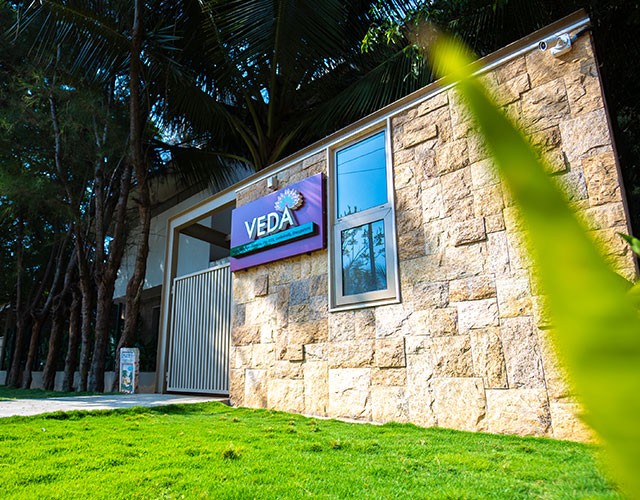
ADHD Treatment & Therapy for Children and Adult

  • Home
  • ADHD Treatment & Therapy for Children and Adult

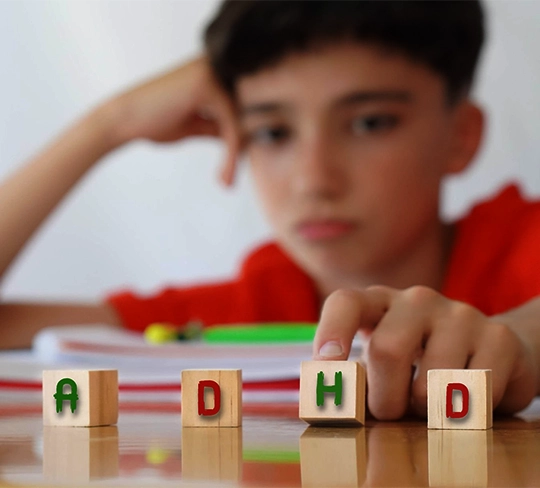
The symptoms of ADHD can look very different from one person to another. It is not just about being distracted or restless. ADHD becomes a concern when difficulties with attention, impulsivity, or emotional regulation begin to interfere with daily life, including work, studies, relationships, or overall functioning.

People with ADHD often experience ongoing struggles such as difficulty staying focused, feeling mentally scattered, restlessness, forgetfulness, or acting on impulse without thinking through consequences. These challenges are commonly accompanied by emotional symptoms like frustration, low motivation, mood swings, or a constant sense of overwhelm. Some individuals may also experience physical restlessness, difficulty sitting still, racing thoughts, poor sleep, or mental fatigue.

When left unaddressed, ADHD can quietly impact confidence, productivity, and emotional wellbeing. With the right support and treatment, these symptoms can be managed effectively, allowing individuals to regain structure, clarity, and balance in everyday life.

What Is ADHD and How It Affects Daily Life

ADHD (Attention Deficit Hyperactivity Disorder) is a neurodevelopmental condition that affects focus, impulse control, emotional regulation, and organisation. It is not a lack of intelligence or effort. People with ADHD often struggle to manage daily routines, relationships, work pressure, and emotional stress.

Common ADHD challenges include:

  • Difficulty concentrating or staying organised
  • Restlessness or constant mental noise
  • Impulsive decisions or emotional reactions
  • Trouble completing tasks despite good intentions
  • Low self-esteem due to repeated failures or criticism

ADHD can exist on its own or alongside anxiety, depression, addiction, or burnout, especially in high-pressure professionals.

Treatment for ADHD at Veda

ADHD treatment works best when it goes beyond medication alone. At Veda, we use a whole-person approach that supports the brain, body, emotions, and daily life skills.

Treatment is:

  • Personalised (not one-size-fits-all)
  • Voluntary and collaborative
  • Evidence-based + wellness-integrated
  • Suitable for professionals, students, and adults with late ADHD diagnosis

Phase-Based ADHD Treatment Program at Veda

Phase 1: Comprehensive Assessment & Stabilisation

This is where clarity begins.

We start with:

  • Detailed psychiatric and psychological assessment
  • ADHD screening tools and behavioural mapping
  • Evaluation for anxiety, depression, addiction, sleep issues
  • Understanding work stress, lifestyle, and emotional patterns

Goal:

To understand how ADHD shows up uniquely for you before planning treatment.

Phase 2: Core ADHD Treatment & Skill Building

This phase focuses on improving focus, emotional control, and daily functioning.

1. Psychotherapy for ADHD

Therapy helps rewire habits and thinking patterns.

We use:

  • CBT for ADHD – managing procrastination, negative self-talk, overwhelm
  • DBT skills – impulse control, emotional regulation, frustration tolerance
  • Executive function coaching – planning, prioritising, follow-through

Outcome:

Better decision-making, reduced emotional overload, improved self-confidence.

2. Medication Support (if required)

Medication is not mandatory for everyone.

When needed, our psychiatrist:

  • Prescribes carefully after assessment
  • Monitors side effects and benefits
  • Adjusts dosage gradually
  • Combines medication with therapy and lifestyle changes

Medication is used as support, not a standalone solution.

Phase 3: Lifestyle-Based ADHD Management

ADHD is highly sensitive to lifestyle factors. This phase focuses on daily stability.

Exercise & Movement

Physical movement improves dopamine regulation.

At Veda, clients engage in:

  • Yoga and functional movement
  • Gym workouts
  • Pickleball, badminton, table tennis
  • Walking, cycling, nature movement

Benefits:

  • Improved focus
  • Reduced restlessness
  • Better sleep
  • Emotional grounding

Nutrition for ADHD

Diet directly affects attention, mood, and energy.

Our nutrition plans focus on:

  • Stable blood sugar
  • Brain-supporting nutrients
  • Reducing energy crashes
  • Gut–brain balance

Special dietary plans (optional add-ons) may include:

  • High-protein focus diets
  • Detox nutrition
  • Weight management plans
  • Supplement support (as advised)

Relaxation & Nervous System Regulation

ADHD brains are often overstimulated.

We use:

  • Mindfulness practices
  • Guided meditation
  • Breathwork for impulsivity control
  • Sound healing for mental calm

These techniques help slow down racing thoughts and reduce burnout.

Phase 4: Holistic Therapies for ADHD

Holistic therapies support emotional expression and self-regulation.

These include:

  • Art therapy – expressing emotions without pressure
  • Music therapy – improving mood and focus
  • Sound healing – calming mental overstimulation
  • Yoga & breathwork – grounding the nervous system

These therapies are evidence-informed and professionally guided.

Phase 5: Self-Help Tools & Daily Structure

Clients learn practical tools they can use independently.

This includes:

  • Time management strategies
  • Task breakdown techniques
  • Habit-building systems
  • Digital distraction control
  • Sleep reset routines

Goal:

Long-term independence and confidence, not dependency on treatment.

Phase 6: Family Therapy & Additional Support

ADHD affects families and relationships deeply.

Family sessions help:

  • Improve communication
  • Reduce blame and misunderstanding
  • Create supportive routines at home
  • Set healthy boundaries

We also offer:

  • Work-focused ADHD support
  • Academic support for students
  • Addiction-linked ADHD treatment when needed

Additional support at Veda

  • Low client capacity for deep attention
  • Daily 1:1 therapy
  • Privacy and discretion
  • Phone and laptop use allowed
  • Family visits supported
  • Calm, non-clinical environment

ADHD Recovery Timeline (General)

  • Week 1–2: Assessment, emotional settling, clarity
  • Week 3–4: Focus improvement, impulse control skills
  • Month 2: Better routines, emotional stability
  • Month 3: Stronger self-management, confidence

(Progress varies for each individual.)

Frequently Asked Questions About ADHD Treatment

Can ADHD be treated without medication?

Yes. Many people manage ADHD effectively with therapy, lifestyle changes, and structure.

No. Many adults are diagnosed later in life, especially professionals.

Yes. Untreated ADHD often overlaps with substance use, anxiety, and work burnout.

Treatment typically lasts 1–3 months initially, with ongoing skill use afterward.

Yes. Therapy improves focus, emotional control, and daily functioning.

Yes. Veda allows phone and laptop use for working professionals.

Yes. Family therapy is encouraged for better long-term outcomes.