- Mumbai, Gangtok, New Delhi, Bangalore
- (+91) 81518 30000
- WhatsApp Now
- contact@vedawellnessworld.com
If you or someone you love is living with bipolar disorder, you already know how exhausting the highs and lows can be. Veda provides comprehensive, evidence-based bipolar disorder treatment in India, combining psychiatric care, structured psychotherapy and holistic support in a safe, private environment designed for real recovery.
Whether you are in the grip of a manic episode, struggling through a depressive phase, or simply trying to understand what is happening, our team is here to help you stabilise, heal, and rebuild a life you feel in control of.
Bipolar disorder is a complex, lifelong mental health condition characterised by dramatic shifts in mood, energy, and activity levels. Unlike ordinary mood changes, these shifts known as episodes and are intense, long-lasting, and significantly disrupt daily functioning, relationships, and work.
There are three main types:
Defined by manic episodes lasting at least 7 days, often severe enough to require hospitalisation. Depressive episodes are also common.
Characterised by a pattern of hypomanic and major depressive episodes — without the full mania of Bipolar I.
A milder form involving numerous periods of hypomanic and depressive symptoms over at least two years.
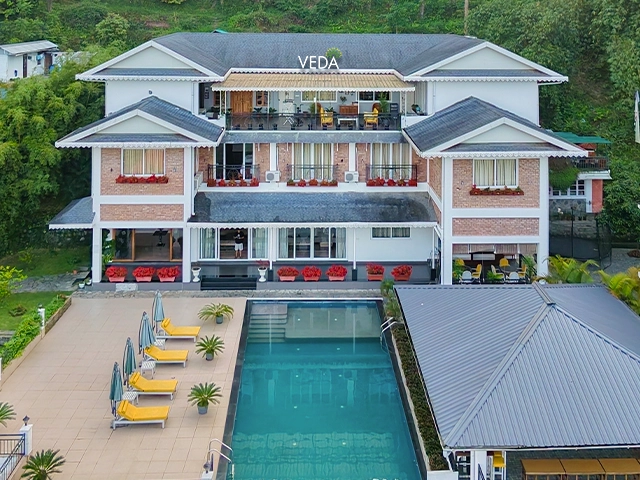
Veda is a premier mental health and rehabilitation centre in India. What sets us apart is not just what we treat, it is how we treat it. We combine psychiatric expertise with evidence-based therapies and genuine compassionate care, all within a structured, supportive residential environment.
Effective treatment for bipolar disorder requires more than medication alone. At Veda, our integrated treatment model addresses every dimension of the condition.
Every client begins with a thorough psychiatric, medical, and psychological evaluation. Our consulting psychiatrists review your history and current presentation to develop a tailored medication strategy, which may include mood stabilisers, atypical antipsychotics, or adjunctive medications, alongside regular monitoring and adjustment as needed.
Understanding your condition is the foundation of managing it. Our psychoeducation sessions help you and your family understand what bipolar disorder is, how it affects the brain, what triggers episodes, and how to recognise early warning signs before they escalate. Clients consistently report that psychoeducation gives them a critical sense of control and confidence.
Our psychotherapy programme is structured in four stages, each building on the last:
Weekly group sessions (approximately 90 minutes each) provide a safe, facilitated space where clients learn to manage emotions, improve interpersonal communication, and reduce stress, while building a supportive peer community with others who truly understand what they are going through.
Every day at Veda includes evidence-informed practices that support physical and mental recovery:

Thorough medical, psychiatric, nutritional, and psychological evaluations lay the foundation for your personalised treatment plan. You will be oriented to the centre, introduced to your clinical team, and begin psychoeducation sessions.

Personalised sleep schedules, daily routines, and dietary plans are established. The focus is on physical and emotional stabilisation, with medication management beginning and initial therapeutic work.

Individual therapy, group skills training, and the four stages of psychotherapeutic work take centre stage. This is where lasting change is built, through consistent, personalised, evidence-based therapeutic work.

Therapists work with clients to build a comprehensive relapse prevention plan, address practical life reintegration challenges, and ensure clients feel genuinely prepared and equipped for the world outside.

Recovery does not end at discharge. Scheduled follow-up sessions monitor progress, address emerging challenges, and provide the continuity of care that is essential for long-term well-being.
Bipolar disorder does not only affect the individual; it affects the entire family. At Veda, we recognise this and actively support families throughout the treatment journey.
Many families reach out to us after weeks or months of uncertainty, asking themselves:
These are completely natural questions. What our experience consistently shows is this: the earlier professional support begins, the smoother and less disruptive the recovery tends to be for both the individual and their family.
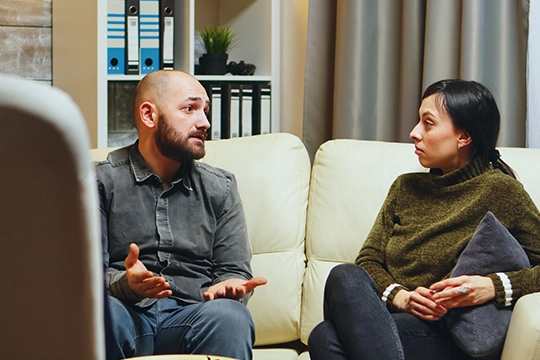
We offer dedicated family and couple intervention sessions on weekends, helping loved ones understand the condition, communicate effectively during mood episodes, and build a home environment that actively supports recovery.
Structure is therapeutic for bipolar disorder. Here is what a typical day looks like for our clients:

Morning beverage + Physical activity (yoga, gym, or outdoor exercise)

Breakfast + Personal preparation

Morning prayer / gratitude practice

Individual therapy session with psychologist

Therapeutic assignments / Group discussion (twice weekly)

Lunch

Holistic sessions, psychoeducation, creative therapies

Group activities, relaxation, family calls

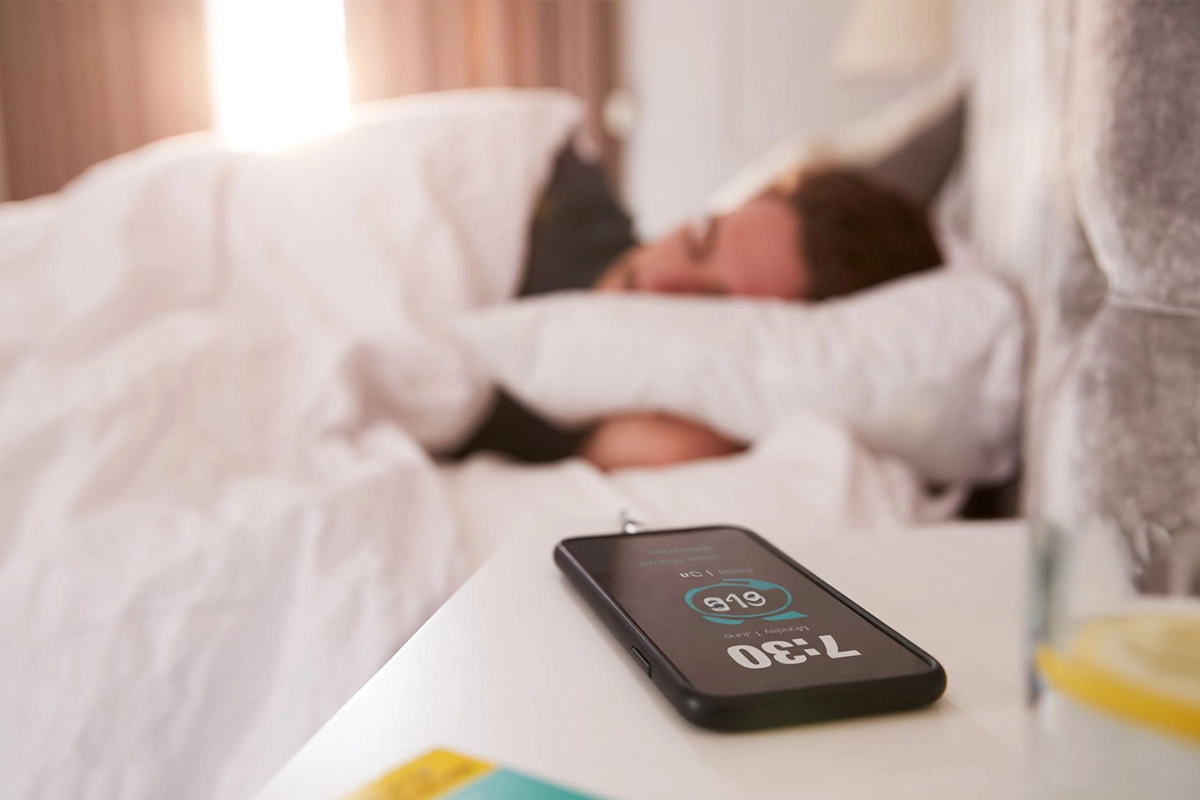
Structured wind-down routine for sleep hygiene
We have made the process as simple and low-pressure as possible.
You don’t need to make a decision today. The first step is simply a confidential conversation.
Our team will help you understand your options with no pressure and no judgment.
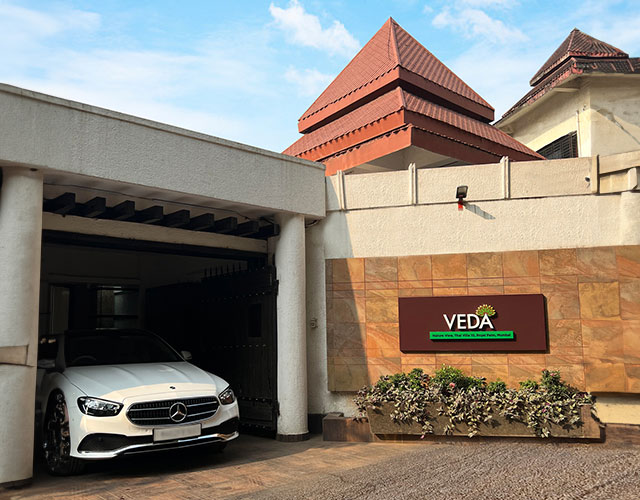
Veda, 18A, Mother Teresa Dr, Dera Village, Fatehpur Beri, New Delhi, Delhi 110074
Veda, Thai Villa 10, Nature's View, Royal Palm, Royal Palms Estate, Aarey Colony, Goregaon, Maharashtra 400065
6, Veda, M.S Engineering, college Road, Opp. to Namma Swimming Pool, Navarathna Agrahara, Bengaluru, Karnataka 562157
Bipolar disorder is a lifelong condition, but it is highly manageable. With the right combination of medication, psychotherapy, lifestyle support, and ongoing care, the vast majority of people with bipolar disorder can lead stable, fulfilling lives with significantly reduced episodes.
Our standard residential programme at Veda Rehabilitation and Wellness is 3 months. This duration reflects evidence that lasting mood stabilisation, therapeutic skill development, and relapse prevention require adequate time. Post-discharge follow-up continues to support long-term recovery.
For most people with Bipolar I and Bipolar II disorder, medication particularly mood stabilisers, plays an essential role in treatment. Our psychiatrists work with each client to determine the most appropriate medication strategy, always alongside psychotherapy and lifestyle support.
Depression involves persistent low mood. Bipolar disorder includes both depressive episodes AND elevated mood states (mania or hypomania). This distinction is clinically important, as the treatment approaches differ significantly, which is why a proper assessment is essential.
At Veda, we use a combination of Cognitive Behavioural Therapy (CBT), Dialectical Behaviour Therapy (DBT), Interpersonal and Social Rhythm Therapy (IPSRT), psychoeducation, and group skills training, all tailored to the individual’s phase of treatment and specific needs.
Absolutely. All client information is treated with the strictest confidentiality. Your privacy is protected from the first conversation through to discharge and follow-up care.
Yes, and we actively encourage it. Family participation is a key predictor of long-term recovery. We offer structured family sessions during weekends, psychoeducation for family members, and ongoing guidance for caregivers throughout the treatment period.