- Mumbai, New Delhi, Bangalore
- (+91) 81518 30000
- WhatsApp Now
- contact@vedawellnessworld.com
Every year, somewhere around mid-October, something shifts in the world of founders and CXOs.
The meetings get sharper.
The deadlines get tighter.
The pressure gets louder.
And for many high-achieving leaders, the glass of wine that was “occasional” in Q1 slowly becomes a nightly habit in Q4.
If you’re reading this because you’ve noticed the same pattern in your own life or in someone you care about, you’re not imagining it. Q4 stress drinking is real, and it’s far more common among executives than they admit.
This blog breaks down why it happens, why alcohol becomes the hidden coping strategy for high performers, and how you can break the cycle without compromising your performance or identity.
Across industries, Q4 is a perfect storm of pressure.
For founders and senior leaders, it’s not “just another quarter”, it’s the quarter:
Combine these with travel, festive-season socialising, and long work hours, and the mental load becomes enormous.
It’s no surprise then that alcohol use among founders’ spikes during this period. Drinking becomes the “quick switch-off” button when the brain refuses to slow down.
After a high-adrenaline day, switching off is hard.
Alcohol gives a temporary sense of relief:
A drink to take the edge off.
A drink to “think less.”
A drink to sleep faster.
Although the relief is short-lived, it feels good enough in the moment for leaders to repeat it.
Most leaders are conditioned to push through discomfort.
They pride themselves on functioning even under extreme pressure.
This builds a belief that sounds like:
“I’m fine. I can handle it.”
Until they can’t.
Deals over drinks. Investor dinners. Celebratory toasts.
In many sectors, alcohol is woven into the professional environment.
Leaders who don’t drink often feel out of place.
Leaders who struggle with alcohol often go unnoticed.
Being at the top can feel isolating.
You can’t fully confide in your board.
You don’t want to worry your team.
You don’t want to overwhelm your family.
Alcohol becomes the quiet companion for unspoken pressure.
Executives are very good at hiding stress.
From outside, they look sharp and in control.
Inside, they’re exhausted.
This is why CXO stress and alcohol often go hand-in-hand and the coping mechanism develops silently.
Most founders don’t realise how subtly things shift.
Look for these early signs of alcohol addiction among high performers:
The biggest red flag is when you think about cutting down but can’t.
This part is rarely discussed openly.
Even moderate drinking affects:
When alcohol becomes the nightly escape, you wake up running at 60 to 70 percent capacity which means your entire leadership quality slowly erodes without you noticing.
If you’re a founder or CXO, chances are you’ve thought this:
“I’m too busy to step away.”
“I just need to get through Q4.”
“I don’t drink that much.”
“I can fix this myself.”
High performers usually believe they can outthink or outwork anything and even addiction.
But alcohol isn’t a willpower problem. It’s a biology problem.
And biology always wins unless you treat it correctly.
Breaking the Q4 drinking loop doesn’t require you to quit your job or disappear for months. It starts with simple, sustainable steps.
Your brain is looking for a signal that work is over.
Swap alcohol with:
The goal: Teach your body to relax without alcohol.
Pick two days a week with no alcohol.
Non-negotiable.
This resets tolerance and gives your liver space to recover.
No alcohol at home = fewer impulse drinks.
Executives underestimate how much “just because it’s available” drives consumption.
Tell one trusted person like spouse, mentor, therapist, or coach.
Once spoken, the loop begins to lose its power.
If your year-end stress drinking has turned into a dependence, you don’t need a self-help plan.
You need structured support.
That’s where Veda comes in.
Successful founders and CXOs across the U.S., Middle East and Europe choose to fly down to Veda even when there are countless rehab centers closer to home.
Here’s why:
Distance matters.
Being thousands of miles away instantly breaks the patterns, triggers and social expectations tied to your drinking cycle.
Many leaders say this alone creates 50 percent of the shift.
Veda works on the root stress, burnout, perfectionism and emotional patterns that drive alcohol use among founders.
Clients spend time understanding:
This is not surface-level advice.
It’s real emotional engineering.
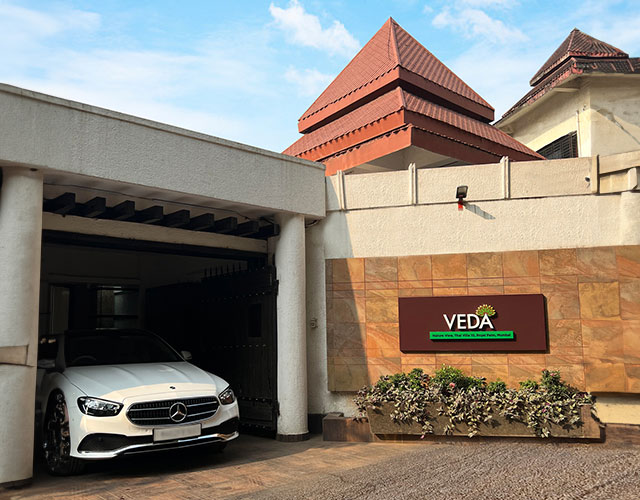
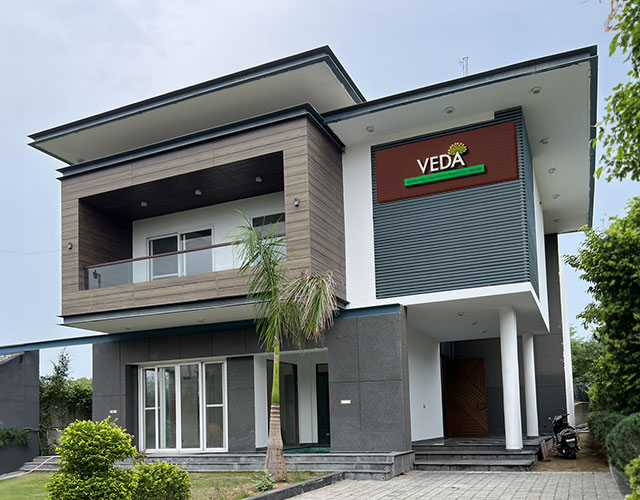
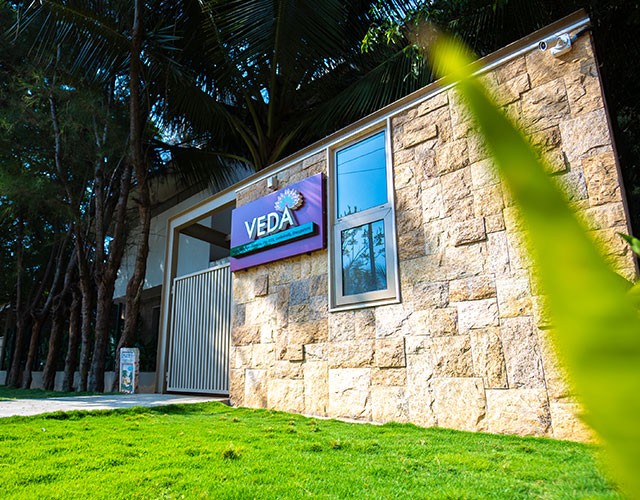
No hospital vibe.
No rigid, cold environment.
Just peaceful, restorative spaces surrounded by nature designed to calm the nervous system and rebuild wellbeing.
Most U.S. rehabs and across the world too rely heavily on group therapy.
Veda is the opposite.
Daily individual sessions = faster breakthroughs, deeper healing, personalised care.
Clients work with a multi-disciplinary team offering:
This creates a recovery experience that is scientific, emotional, physical, and spiritual all at once.
India is known for its care culture.
Veda reflects that.
Clients feel:
The atmosphere feels more like a nurturing retreat than a rehab.
Founders, CXOs, and public figures trust Veda because privacy is treated with absolute seriousness.
A similar level of personalised treatment abroad would cost three to five times more.
At Veda, clients receive premium care at a significantly more accessible price.
If alcohol becomes your go-to stress relief, affects sleep, or feels difficult to cut down, it’s worth addressing. You don’t need to “hit rock bottom” to get help.
Yes. Many CXOs maintain limited work commitments with structured boundaries so recovery remains the priority.
Dependence isn’t always about quantity. Emotional dependence is equally important and treatable.
Yes. Their addiction patterns are tied to burnout, responsibility load, perfectionism, and chronic stress so treatment needs to reflect that.
Most clients benefit from 30 to 90 days depending on severity, responsibilities, and emotional history.
Absolutely. Many senior women executives choose Veda for its privacy, emotional safety, and trauma-sensitive approach.
Most clients regain clarity, energy and executive functioning as treatment progresses. The short pause leads to far better long-term performance.
You receive a personalised aftercare plan, continued therapy options, relapse-prevention strategies, and ongoing emotional support.