- Mumbai, New Delhi, Bangalore
- (+91) 81518 30000
- WhatsApp Now
- contact@vedawellnessworld.com
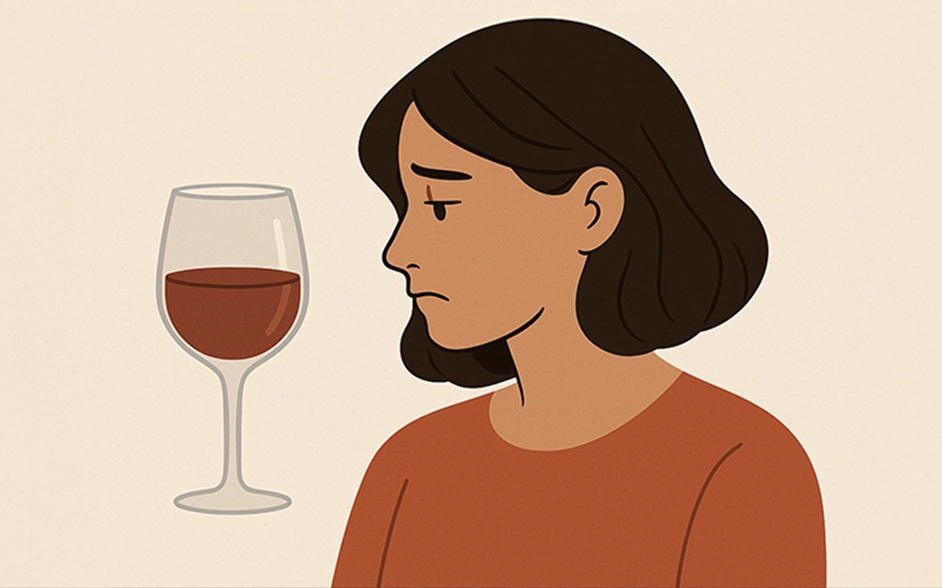
When a woman and a man share the same drink, the effects aren’t equal, not emotionally and not biologically.
Science now confirms what many therapists and doctors have observed for years: alcohol addiction in women develops faster, hits harder, and is more difficult to hide.
Understanding why helps us recognize early signs and seek care before dependence takes over.
Women naturally have less water and more body fat than men.
Since alcohol mixes with water, a smaller amount of fluid means it stays more concentrated in the bloodstream.
That’s why one or two glasses can make a woman’s blood-alcohol level higher than a man’s even if they drink the same amount.
The enzyme that breaks down alcohol (alcohol dehydrogenase (ADH)) works more slowly in women.
This means alcohol stays in the system longer, exposing the liver and brain to more damage.
Hormonal changes during the menstrual cycle or menopause can also intensify cravings and slow down detox.
Excess drinking affects women’s hearts, bones, hormones, and fertility more severely.
Long-term use increases risks of breast cancer, liver disease, and anxiety disorders showing how alcohol affects women’s bodies differently at every stage of life.
Biology is only half the story.
The other half lies in the heart.
Many women don’t drink for fun; they drink for relief.
Stress, loneliness, perfectionism, or emotional exhaustion often lead to quiet nightly drinking.
A glass of wine becomes a reward for surviving the day, then a routine, and eventually, a need.
Research on women and alcohol dependence shows that emotional triggers and not social ones are the main cause.
Unlike men, women are more likely to drink alone and hide it from family or friends, fearing judgment.
That’s why addiction in women often goes unnoticed until health or relationships begin to break down.
Recognizing the early signs can save years of suffering.
Look out for:
These may seem harmless at first, but they are clear female alcohol addiction symptoms that deserve attention and not shame.
There’s a scientific reason women spiral quicker.
Because alcohol lingers longer and metabolism is slower, the brain’s reward system adapts faster creating physical dependence sooner.
Add to that emotional coping, hormonal fluctuations, and cultural expectations to “keep it together,” and you have a perfect storm.
Women rarely seek help early because they fear stigma or disrupting family life.
By the time they do, they often need both alcohol detox for women and emotional therapy.
Recovery for women isn’t just about quitting alcohol, it’s about rebuilding confidence, trust, and self-worth.
That’s why Veda Rehabilitation & Wellness created specialized programs that blend science, sensitivity, and serenity.
Veda’s treatment for alcohol addiction in women combines modern psychiatry, personalized therapy, and nutritional care.
Every woman undergoes a customized plan designed by clinical psychologists and doctors who understand hormonal and emotional needs.
Therapy focuses on guilt, shame, relationship boundaries, and self-esteem which are areas that often drive female addiction.
Group sharing and one-on-one sessions build safety and community, proving that healing isn’t isolation, it’s connection.
Ancient wellness practices like yoga, meditation, pranayama, and mindfulness help calm the nervous system after years of stress.
Together, they support both mind and body recovery which is something most traditional rehabs overlook.
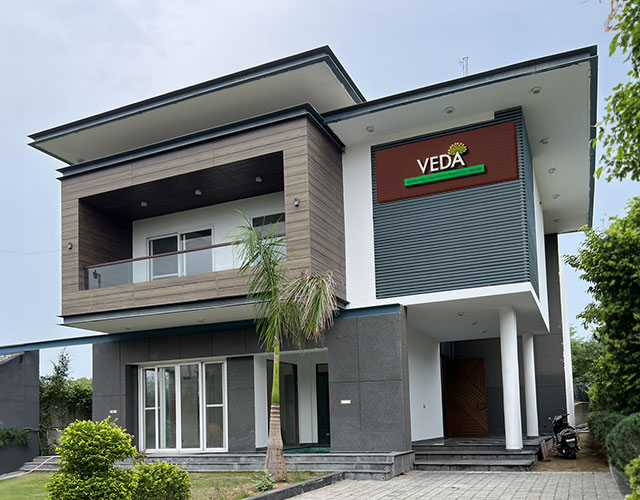
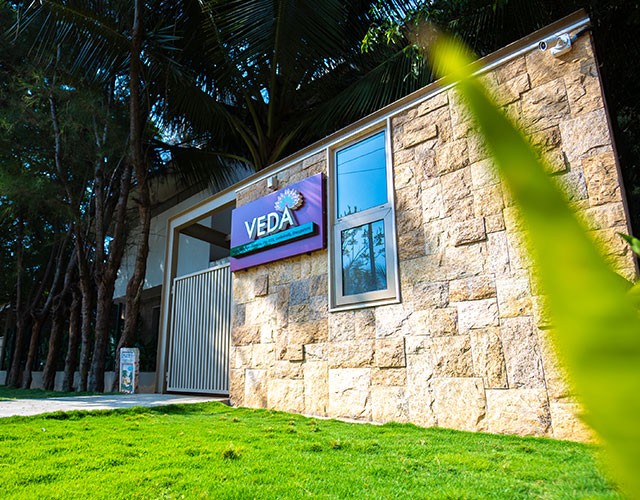
Nestled in green surroundings that make you forget you’re in Mumbai, Veda feels like a boutique retreat.
Clients enjoy privacy, home-style food, and the freedom to heal at their own pace.
It’s a luxury rehab for women with alcohol addiction that replaces fear with dignity.
Ananya, a 37-year-old professional from Mumbai, arrived at Veda after trying to quit on her own several times.
Her drinking had begun during long work nights and networking events which were “just wine to unwind.”
Soon, her mornings were foggy and her health declined.
At Veda, she began with gentle alcohol detox for women under medical supervision.
Daily therapy sessions helped her uncover emotional triggers: loneliness, self-criticism, and burnout.
Through yoga, mindfulness, and creative therapy, she rebuilt her emotional resilience.
“At Veda, I realized I wasn’t broken — I was tired.
They helped me rest, reflect, and recover without judgment.”
Six months later, Ananya is sober, confident, and now advocates for women’s mental health.
Addiction in women often hides behind silence.
If you suspect someone you love is struggling:
Remember, recovery is a partnership built on empathy.
Addiction is not a failure of strength but it’s a signal of emotional pain.
Understanding why women get addicted faster helps us treat the cause, not just the craving.
With gender-sensitive care, privacy, and compassion, recovery is not only possible, it’s empowering.
At Veda Rehabilitation & Wellness, women are given the tools, time, and trust they need to rebuild their lives.
Because healing isn’t about hiding your story, it’s about writing a new one.