Cocaine Addiction in America: Key Signs, Treatment Options & Recovery Timeline

  • Home
  • Addiction
  • Cocaine Addiction in America: Key Signs, Treatment Options & Recovery Timeline

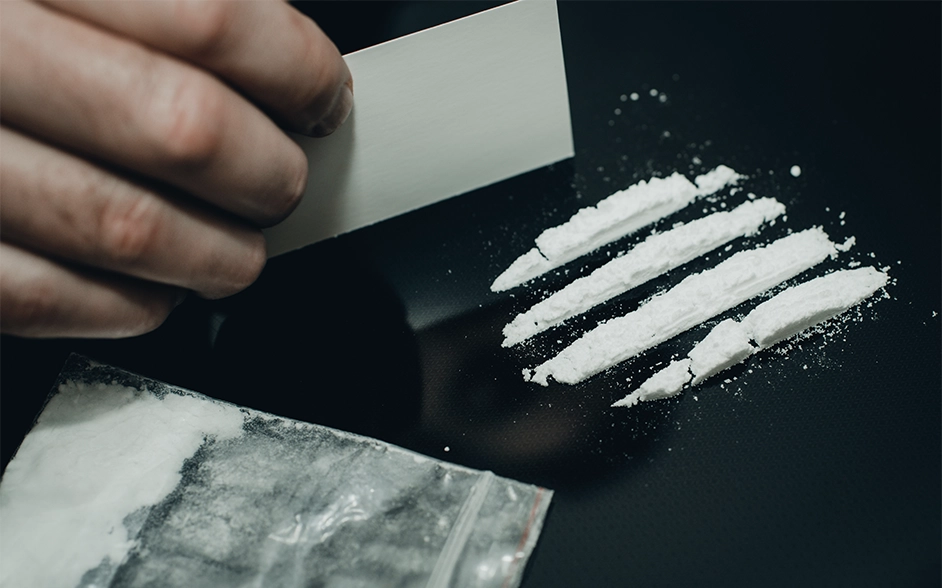
Cocaine has long been portrayed as a “high-performance” drug which is something fast, energizing, and glamorous. But behind the image lies a very different reality. In the United States, thousands of professionals, students, parents and high achievers find themselves caught in a cycle of cravings, exhaustion, anxiety and shame that becomes harder to hide over time.

If you’re reading this because you’re worried about yourself or someone you care about, you’re not alone. This blog will walk you through cocaine addiction symptoms, early signs of cocaine use in adults, the cocaine withdrawal timeline, the main cocaine addiction treatment options, and what real cocaine recovery stages actually look like.

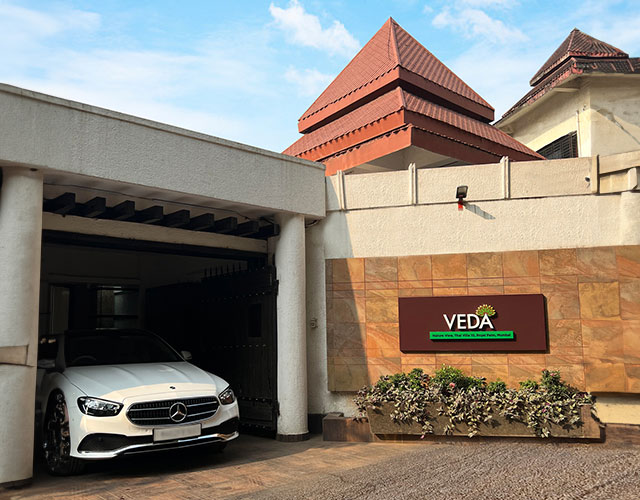
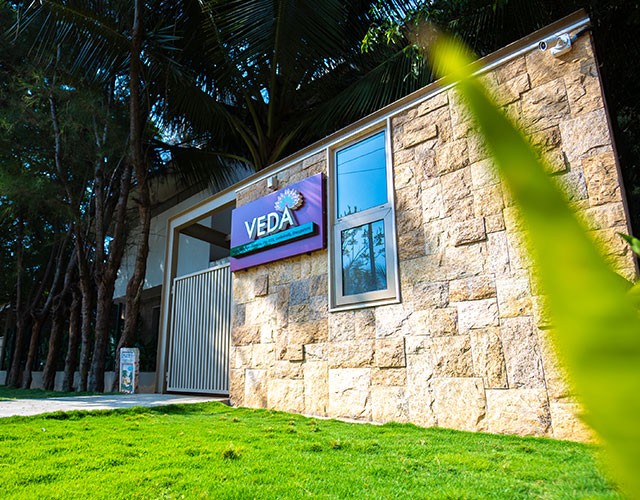
And if you’ve ever wondered why people from the U.S. travel all the way to India to recover especially to a place like Veda Rehabilitation & Wellness, this article will help you understand that too.

Understanding Cocaine Addiction

Cocaine is a stimulant. It gives a temporary boost in energy, confidence and focus. But what starts as “something for weekends” or “something to manage workload” can quickly become a dependency, because the brain adapts to the artificial dopamine rush.

In time, the brain begins to crave that rush just to feel normal. That’s when cocaine addiction starts taking hold quietly, gradually, and often behind closed doors.

Key Cocaine Addiction Symptoms

Cocaine addiction doesn’t always show up dramatically. Many people are “high-functioning,” especially in professional environments, until things begin slipping in small ways.

Common symptoms include:

  • A persistent urge to use cocaine
  • Mood swings or irritability
  • Fatigue or burnout after the “crash”
  • Anxiety, restlessness or paranoia
  • Trouble sleeping
  • Nosebleeds or runny nose
  • Loss of appetite
  • Spending more money than usual
  • Becoming secretive or withdrawing socially
  • Difficulty focusing without the drug

People often describe it as constantly flipping between feeling “on top of the world” and “completely drained.”

Early Signs of Cocaine Use in Adults

Before addiction fully develops, families and friends might pick up on smaller shifts:

  • Staying out unusually late
  • Sudden bursts of energy or fast talking
  • Reduced appetite
  • Dilated pupils
  • Overconfidence or unusual risk-taking
  • Irritability after the effects wear off
  • Hiding messages or being protective about their phone

These early markers are important because early intervention dramatically improves outcomes.

How Cocaine Affects the Brain and Body

Cocaine speeds everything up. Heart rate, energy levels, thoughts basically everything becomes intensely amplified.

But the crash afterward is equally intense.

People often experience:

  • Low mood
  • Exhaustion
  • Cravings
  • Difficulty functioning at work
  • Emotional instability

This push-and-pull cycle is what makes cocaine addiction so draining.

Cocaine Withdrawal Timeline (USA)

Withdrawal from cocaine doesn’t always look like shaking or sweating the way alcohol or opioids do. Instead, it’s mostly emotional and psychological but still deeply uncomfortable.

Phase 1: The Crash (0–48 Hours)

  • Intense fatigue
  • Sleepiness
  • Depression or hopelessness
  • Strong cravings

Phase 2: Withdrawal (1–2 Weeks)

  • Irritability
  • Anxiety
  • Restless sleep
  • Low motivation
  • Mood swings
  • Difficulty concentrating

Phase 3: Extinction Phase (2 Weeks – Several Months)

This is when triggers hit hardest.

  • Cravings come and go
  • Stress can spark urges
  • Emotional flatness or “emptiness”

This stage is where professional treatment for cocaine addiction makes the biggest difference, because relapse risk is highest.

Cocaine Addiction Treatment Options in the U.S.

People often search for how to treat cocaine addiction in the US or cocaine detox programs near me and find a lot of confusing information. Let’s break it down simply.

1. Outpatient Therapy

Useful for mild cases.

Clients attend therapy sessions while living at home.

2. Intensive Outpatient Programs (IOP)

More structure. Includes group therapy, individual counseling and relapse planning.

3. Inpatient Rehab

The most effective option for moderate to severe addiction.

Clients live on-site for 28–90 days and receive daily therapy, medical monitoring and lifestyle resetting.

4. Medication Support

There are no “cure-all” medications for cocaine addiction, but doctors sometimes use medications to help with mood, anxiety or withdrawal symptoms.

5. Evidence-Based Psychotherapies

  1. Holistic Add-On Therapies

Breathwork, yoga, somatic therapies and mindfulness help stabilize emotions during recovery.

Cocaine Recovery Stages (A Realistic View)

Stage 1: Awareness

The person acknowledges something isn’t right.

Stage 2: Detox & Stabilization

The body begins to reset. Cravings peak.

Stage 3: Therapy & Deep Healing

Understanding triggers, trauma and thought patterns.

Stage 4: Rebuilding

Sleep improves. Mood evens out. Motivation returns.

Stage 5: Long-Term Maintenance

New routines and coping skills keep recovery steady. 

Why many Americans choose Veda Rehabilitation & Wellness in India

This may sound surprising at first- why leave the U.S. when you have some of the best cocaine rehab centers in America already?

But more and more people are travelling abroad because recovery is not just about treatment, it’s about environment, peace, privacy and individualized attention.

Here’s why Veda stands out for U.S. clients:

1. Deeply personalised, One-on-One care

Unlike most U.S. centers that rely heavily on group sessions, Veda gives daily 1:1 therapy, allowing clients to go deeper and heal faster.

2. Complete Privacy and Confidentiality

Executives, entrepreneurs, doctors, celebraities, high performing professionals and public figures often choose Veda in India for recovery because it offers distance, anonymity and a fresh start. No one knows who they are, and there is no stigma, pressure, or fear of being recognized.

3. A Fully Integrated Healing Approach

Veda blends:

  • Psychiatry
  • Evidence-based psychotherapy
  • Yoga & meditation
  • Fitness
  • Nutrition
  • Art and music therapy
  • Sound healing

This blend helps stabilize the brain, calm the body and strengthen emotional balance especially important for stimulant addictions like cocaine.

4. Strong Emotional Support that feel Real and Human

The staff-to-client ratio at Veda is much higher than most international rehabs.

Clients never feel lost in the crowd. They feel seen, heard and cared for. The warmth of the team, the attentiveness and the emotional safety make a noticeable difference from day one.

5. Cost Advantage without compromising Quality

A luxury rehab experience with daily individual therapy costs a fraction of American prices.

American luxury rehabs often cost $60,000 to $120,000 a month and sometimes more.

At Veda, clients receive a luxury, boutique-style, individual-focused program at a significantly lower cost without compromising on quality, expertise or comfort.

6. Indian Culture: Warmth, Hospitality and Genuine Care

India is known for its hospitality and Veda reflects this beautifully.

Clients experience:

  • Real human warmth
  • A caring atmosphere
  • The sense of being looked after
  • A team that goes the extra mile every day

The experience feels less like a hospital and more like a thoughtfully designed home-away-from-home.

7. Healthy, fresh and familiar food

Veda’s meals are cooked fresh, daily. The staff accommodates food preferences, sensitivities and cultural tastes. For many American clients, this becomes one of the most comforting parts of the stay as tasty, nourishing, familiar meals that support physical healing.

8. Space away from stress and triggers

One of the biggest advantages for U.S. clients is the physical distance from:

  • high-pressure work
  • social circles tied to substance use
  • familiar environments full of triggers

Stepping out of this ecosystem allows clients to finally breathe, think clearly, and rebuild healthier patterns.

9. The Opportunity to practice Yoga in India which is the birthplace of Wellness

Many clients say this is their favourite part of the program.

Yoga and meditation in India carry an authenticity that is hard to replicate elsewhere. Learning these practices here allows clients to build a lifelong toolkit for stress, anxiety and emotional regulation.

10. A healing environment that feels calm, safe and private

Veda is intentionally small and boutique-style. No crowds, no chaos, no clinical atmosphere.

Just peace, nature, comfort and dignity which is everything a person needs to reset their life.

A Safe Distance, A Fresh Start, A Deeper Recovery

For Americans who feel stuck, overwhelmed or tired of repeating the same patterns, Veda provides something rare, a place where life slows down, healing feels natural, and recovery becomes sustainable. Many clients say that coming to India was the turning point they didn’t know they needed.

Cocaine addiction is not a moral failure. It is a treatable condition. The fact that you’re reading this means you already want clarity, relief and a way forward. Whether you seek help for cocaine addiction in the USA or decide that a complete reset at Veda is the right path, what matters most is taking the first step.

FAQs About Cocaine Addiction & Treatment

How do I know if someone has a cocaine problem?

The most common early signs include sudden bursts of energy, fast speech, long periods without sleep, loss of appetite and irritability after the drug wears off. If behaviour becomes unpredictable or secretive, it’s worth having an honest conversation.

Some people can stop short-term use on their own, but sustained addiction usually needs professional help. Cocaine cravings are strong, and the emotional crash can be overwhelming without support.

A medically supervised detox is the safest. Doctors monitor mood, sleep, cravings and emotional stability. Detoxing at home often leads to relapse or intense psychological distress.

Your body stabilizes within 1–3 weeks.

Your mind begins healing within 1–3 months.

Long-term emotional recovery can take 6–12 months.

Everyone’s timeline is different, but treatment dramatically shortens the recovery curve.

Because it affects the brain’s motivation and reward systems. People feel an emotional “empty crash” without it. Therapy and structure help fill that gap and rebuild natural motivation.

For privacy, deeper emotional work, more one-on-one therapy and an environment far from triggers. Veda offers a quiet space for healing, with global-quality treatment and a warm, supportive culture.

Leave A Comment

Your email address will not be published. Required fields are marked *