- Mumbai, Gangtok, New Delhi, Bangalore
- (+91) 81518 30000
- WhatsApp Now
- contact@vedawellnessworld.com
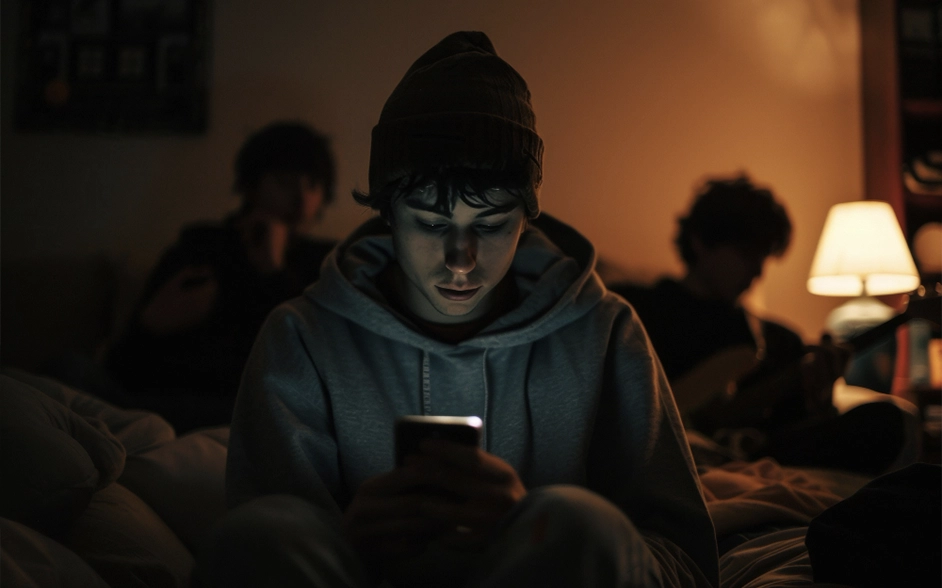
Los Angeles is home to one of the largest creator economies in the world. According to the 2024 Influencer Marketing Hub report, the global influencer marketing industry exceeded $21 billion and LA sits at its centre. Behind the curated content and brand deals, however, a growing number of creators and professionals are struggling with something they rarely post about: social media addiction.
This isn’t simply about spending too much time online. For many influencers, social media is their livelihood which makes the line between healthy professional engagement and compulsive dependency genuinely difficult to identify.
For the general public, social media is optional. For a content creator in Los Angeles, it’s often their primary income source, communication channel, and professional identity. This creates a fundamentally different relationship with the platforms and unique barriers to recognising and seeking help.
The pressures specific to influencer culture include:
Behavioural health specialists define addiction as a compulsive behaviour that continues despite negative consequences. For influencers and creators, the signs often look like this:
TikTok’s architecture is designed around variable reward, the same psychological mechanism that makes slot machines compelling. Research has found that short-form video apps stimulate dopamine release in patterns more similar to gambling than traditional media consumption. The average TikTok user now spends over 95 minutes daily on the app. For content creators who are also consuming the platform professionally, daily use often reaches three to five hours or more. Over time, this level of stimulation:
Mental health professionals specialising in influencer and creator wellbeing in Los Angeles report consistent patterns:
Screen time limits and content scheduling apps are a starting point but rarely sufficient when addiction has developed. Effective treatment addresses both the behaviour and its psychological roots.
Digital Detox with Clinical Support
A supervised digital detox provides a temporary break that allows the brain’s dopamine pathways to recalibrate. Unlike self-managed detoxes, clinically supported detox includes management of the anxiety and discomfort that typically arise when compulsive users go offline symptoms that cause most unsupported detoxes to fail.
Cognitive Behavioural Therapy (CBT)
CBT is the most evidence-supported approach for behavioural addictions. In the context of social media, it helps individuals identify and change thinking patterns such as ‘my worth depends on my follower count’ or ‘taking a break will end my career.’ These beliefs are examined, challenged, and replaced with more realistic frameworks.
Identity Work and Offline Life Rebuilding
For creators who have spent years building their identity online, recovery involves rebuilding a sense of self that exists independently of their platform presence. This includes rediscovering offline relationships, interests, and sources of meaning.
Considering Treatment Abroad
An increasing number of LA-based creators are seeking treatment outside the United States. Residential treatment in Los Angeles can cost $40,000–$100,000 per month. Internationally accredited centres particularly in India, which has deep-rooted traditions in yoga and mindfulness-based healing offer comparable clinical standards at significantly lower cost, while also providing genuine distance from the professional environment driving the addiction.
This is a genuine challenge. Most specialists recommend a complete digital break during intensive treatment, followed by structured reintegration including agreed limits on work-related social media use. Treatment centres experienced with creator clients will have frameworks for this.
The core addiction mechanism is similar, but TikTok’s short-form infinite scroll format tends to create stronger compulsive viewing behaviour, while Instagram’s validation mechanics (likes, follower counts) tend to produce more comparison-driven anxiety. Many people in treatment have dependency patterns linked to both.
If your mood, sleep, relationships, or sense of self is significantly affected by your social media engagement and you’ve been unable to change these patterns on your own professional support is appropriate. You don’t need to have ‘lost everything’ for treatment to be worth pursuing.