Free Yourself: What Addiction Steals And How to Take It Back

  • Home
  • Addiction
  • Free Yourself: What Addiction Steals And How to Take It Back

There’s a particular kind of exhaustion that comes from living around someone else’s addiction, or from managing your own. It’s not one dramatic moment. It’s a thousand small ones, the promise that gets broken again, the money that disappears, the version of yourself you used to recognize in the mirror. Addiction doesn’t announce itself. It just keeps taking, quietly, until one day you look up and realize how much is gone.

If you’re reading this because you or someone you love is at that point, you’re not alone in it. Addiction recovery in India is a conversation that’s finally opening up, and there’s more support available today than most families realize.

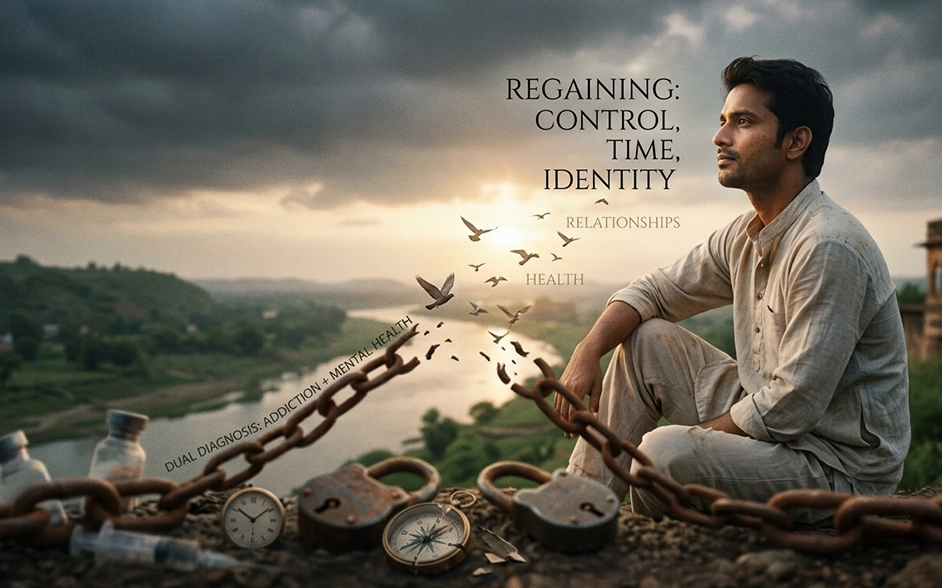
What Addiction Actually Takes

People often think of addiction as a habit around one thing; a drink, a pill, a screen. What it actually steals is broader than that.

Control
The person using no longer decides when to stop. The substance or behavior does.

Time
Days get organized around getting, using, and recovering from use. Years pass this way without anyone quite noticing how many.

Relationships
Trust erodes first. Then comes the withdrawal from friends, then family, then eventually from anyone who might ask hard questions.

Health
Physical and mental health decline together, often in ways that aren’t visible until they’re serious.

Identity
This is the one people talk about least, and it may be the hardest to get back. Somewhere along the way, a person stops recognizing themselves, their values, their goals, the things that used to matter to them.

The numbers back up how widespread this is. According to the AIIMS National Survey on Substance Use in India, around 16 crore people in the country consume alcohol, and more than 5.7 crore are affected by harmful or dependent use. Yet the National Mental Health Survey found that the treatment gap for alcohol use disorders sits at 86.3% meaning only about one in 38 people with alcohol dependence ever receive any form of treatment.

That gap isn’t about people not needing help. It’s about help feeling out of reach, or too shameful to ask for, or simply unknown.

Why So Few People Seek Help

Stigma is the biggest reason. In most Indian households, addiction is still treated as a personal failing rather than what it clinically is, a treatable condition, often linked to underlying mental health struggles that were never addressed.

This connection matters more than most people realize. Indian research shows that anywhere from 32% to 74% of people in addiction treatment also have a co-occurring mental health condition, most often depression, anxiety, or trauma. Clinicians call this dual diagnosis. When only the addiction gets treated and the underlying condition is ignored, the person is far more likely to relapse. When both are treated together from day one, outcomes improve significantly.

There’s also a shortage of qualified support. India has roughly 9,000 psychiatrists for a population of over 1.4 billion, a ratio far below what the World Health Organization recommends. For a lot of families, simply finding the right kind of care feels like its own uphill climb, before the emotional weight of asking for it even enters the picture.

Workplace pressure adds another layer. A McKinsey Health Institute survey of 30,000 employees across 30 countries found that Indian professionals report the highest burnout rate in the world, at 59%, nearly three times the global average. Burnout rarely stays contained to work. It disrupts sleep, raises anxiety, and for a lot of people, it opens the door to alcohol or medication as a way to cope. What starts as a way to get through a hard week can turn into dependence within a year or two.

What Getting It Back Actually Looks Like

Recovery isn’t about willpower alone, and it isn’t about a single dramatic turning point. It’s a structured process, and the structure matters as much as the intention.

Medical and psychiatric assessment first
Before anything else, a proper evaluation identifies what’s actually going on the addiction, any co-occurring mental health condition, and any physical health issues that need attention alongside it.

Detox under supervision
For substances like alcohol and benzodiazepines, withdrawal can be medically serious. This step needs to happen with clinical oversight, not alone at home.

Integrated treatment
This is where dual diagnosis care matters most, addressing addiction and mental health together, not as two separate problems handled one after another.

Family involvement
In most cases across India, it’s a family member; a parent, spouse, or sibling who reaches out first. Recovery works better when the family is educated and involved throughout, not left outside the process.

Structured aftercare
The period after inpatient treatment is when relapse risk is highest. A solid aftercare plan, with ongoing therapy and check-ins, is often what determines whether the progress made in treatment actually holds.

None of this requires the person to have hit rock bottom first. In fact, the earlier someone gets support, the better their long-term outcome tends to be. Waiting for a crisis before acting is one of the most common and costly mistakes families make.

What Freedom Actually Feels Like

People rarely describe their first weeks of recovery as dramatic or triumphant. What they describe more often is quieter than that sleeping through the night without needing something to get there. Having a conversation with their spouse or their kids without the weight of a secret sitting behind it. Noticing they’ve gone a week, then a month, without the constant low hum of managing a habit.

That’s what taking it back looks like. Not a single moment of victory, but the slow return of ordinary things like trust, rest, presence, a sense of being in charge of your own life again.

How Veda Approaches Recovery

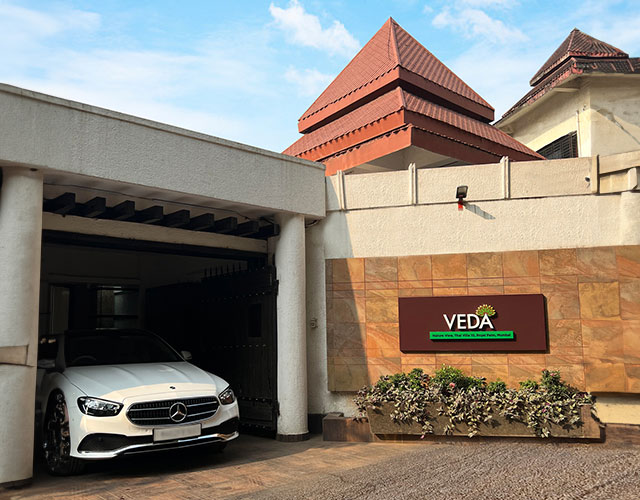
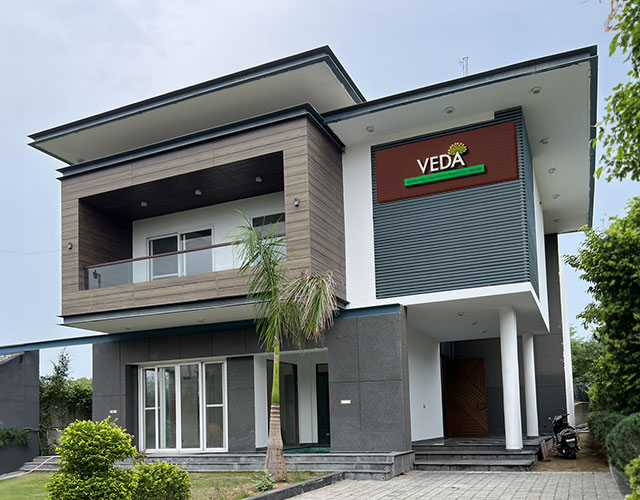
At Veda Rehabilitation & Wellness, integrated dual diagnosis treatment has been a founding principle rather than an add-on. Each of our centres in Mumbai, New Delhi, Bangalore, and Sikkim maintains a low client-to-staff ratio, so care stays personal and closely monitored rather than routine. For working professionals, we offer structured flexibility that allows treatment to fit around real responsibilities, not the other way around. And because recovery doesn’t end at discharge, every treatment plan includes structured aftercare designed to hold the progress made during the programme. For families in tighter regional communities where privacy is a real concern, our Sikkim rehab centre offers a discreet setting away from familiar social circles, a detail for some families, is what makes seeking help possible in the first place.

If you’re trying to figure out the right next step for yourself or someone you love, reaching out for an assessment is a reasonable place to start. It doesn’t commit you to anything. It just gets you real information.

Frequently Asked Questions

What does freedom from addiction actually mean?

It means regaining control over your choices, your time, and your relationships not just stopping a substance or behavior, but rebuilding the parts of life that addiction gradually took over.

Around 5.7 crore people in India are affected by harmful or dependent alcohol use, according to the AIIMS National Survey. Yet the treatment gap for alcohol use disorders is 86.3%, largely due to stigma, limited access to psychiatric care, and low awareness of available treatment options.

A habit is something you can stop when you decide to. Addiction involves loss of control, needing more over time, being unable to stop despite wanting to, and continuing use despite clear harm to health, relationships, or work. A clinical assessment can give you a clear answer.

Dual diagnosis refers to addiction occurring alongside a mental health condition like depression or anxiety. Indian clinical research shows this overlap in 32% to 74% of addiction cases. Treating both together, rather than one after the other, leads to significantly better and more lasting recovery outcomes.

The difference isn’t really about luxury in the traditional sense; it’s about clinical depth. Premium centres typically offer lower client-to-staff ratios, on-site psychiatric access, and more individualized, private care, along with comfortable surroundings that support a person’s dignity through a difficult process.

There’s no single timeline, it depends on the substance, the person’s history, and whether a co-occurring mental health condition is involved. Most structured programmes run for several weeks, followed by months of aftercare, since the period after initial treatment is when relapse risk is highest and ongoing support matters most.

Leave A Comment

Your email address will not be published. Required fields are marked *