What Makes a Luxury Rehab Worth It? A Buyer’s Guide for India

  • Home
  • Addiction
  • What Makes a Luxury Rehab Worth It? A Buyer’s Guide for India

When someone you love is struggling with addiction, the decision of where to send them is one of the heaviest you will ever make. You are not buying a service. You are choosing the place where a person’s life might be rebuilt, or, if you choose badly, where it might be set back further. 

This guide is written for that moment. It is meant to help you cut through glossy brochures and confident sales calls and ask the questions that actually matter. Because the difference between a good rehab and a bad one in India is not just comfort. Sometimes it is the difference between recovery and harm. 

Let’s talk honestly about what makes a luxury rehab in India worth it, and what to watch out for as you decide how to choose a rehab in India for your family member. 

What Separates Luxury Rehab From Standard Treatment

The word “luxury” can be misleading. A genuinely good luxury rehab is not about marble floors and swimming pools. It is about what those resources make possible: more time per patient, more qualified staff, more privacy and more individualised care. 

Here is the uncomfortable reality of the standard system. India has roughly 9,000 psychiatrists for a population of 1.4 billionfar below what the WHO recommends. The mental health treatment gap sits at around 83–85%and for alcohol dependence specifically, only about 2.6% of those who need help ever receive treatment. In many crowded or under-resourced facilities, one overstretched counsellor may be responsible for dozens of patients. Recovery in that setting becomes a numbers game most people lose. 

A true luxury rehab changes the maths. Fewer clients per clinician means each person is actually seen, assessed and treated as an individual, not processed. That is the real product you are paying for. The comfort matters too, but only because a calm, dignified environment helps healing; the clinical depth is what makes it work. 

When evaluating the best rehab centre in India, look past the photographs. Ask what the comfort is enabling. 

Key Criteria: Staff Ratio, Accreditation, Evidence-Based Methods

If you remember only three things from this entire buyer’s guide, make it these three. 

1. Staff-to-client ratio 

This is the single most telling indicator of quality. Addiction recovery is built on relationships, with therapists, doctors and care staff who have the time to know you. A low client-to-staff ratio means daily one-on-one attention, faster response to crises and treatment plans that adapt to the individual rather than a fixed conveyor belt. When comparing a top rehabilitation centre in India to a budget option, this ratio explains most of the difference in outcomes. 

2. Accreditation and licensing 

This is non-negotiable and it is where many Indian families get caught out. Under the Mental Healthcare Act, 2017 substance use disorders are recognised as a treatable health condition, and every mental health establishment, including de-addiction and rehabilitation centres, is legally required to register with the State Mental Health Authority. The Act also guarantees patients the right to privacy, a safe and hygienic environment, and protection from cruel, inhuman or degrading treatment. On top of legal registration. NABH accreditation (the National Accreditation Board for Hospitals & Healthcare Providers) is the gold standard, recognised internationally, signalling that a facility meets rigorous safety and quality benchmarks. Always ask to see the licence and accreditation. A genuine, best de-addiction centre in India will show it gladly. 

3. Evidence-based methods 

Recovery is a clinical science, not willpower or punishment. Look for treatment grounded in proven approaches, medically supervised detox where needed, cognitive behavioural therapy (CBT), motivational interviewing, family therapy and integrated treatment for co-occurring mental health conditions. This last point is crucial: studies from Indian centres find that between 32% and 74% of addiction patients also have a mental health condition like depression or anxiety. Treating only the addiction while ignoring the underlying condition is a recipe for relapse. 

The Role of Environment in Recovery

We sometimes dismiss environment as a luxury. The science says otherwise. 

The brain in early recovery is fragile and highly sensitive to stress. Sleep is disrupted, anxiety is high and the nervous system is recalibrating. A chaotic, overcrowded or punitive environment keeps the body locked in stress, exactly the state that drives cravings and relapse. A calm, private, well-designed environment does the opposite: it lowers stress, restores sleep and gives the brain the safety it needs to begin healing. 

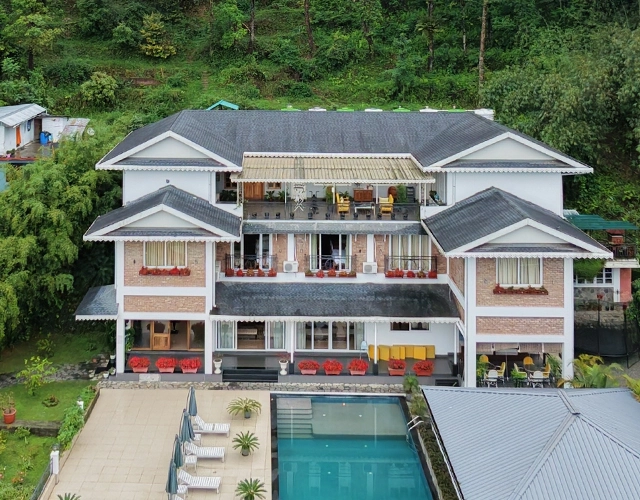
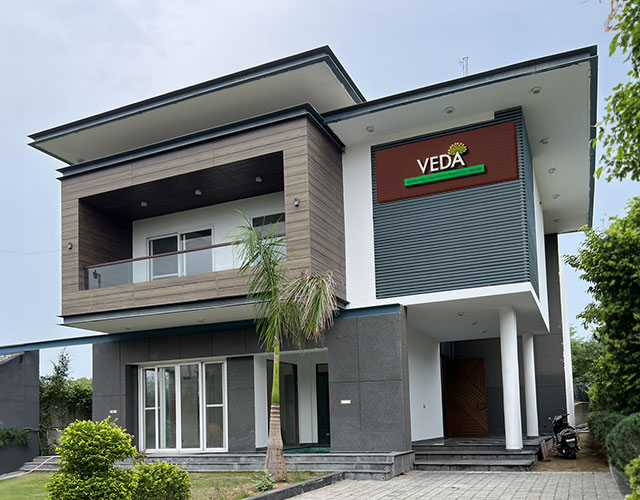
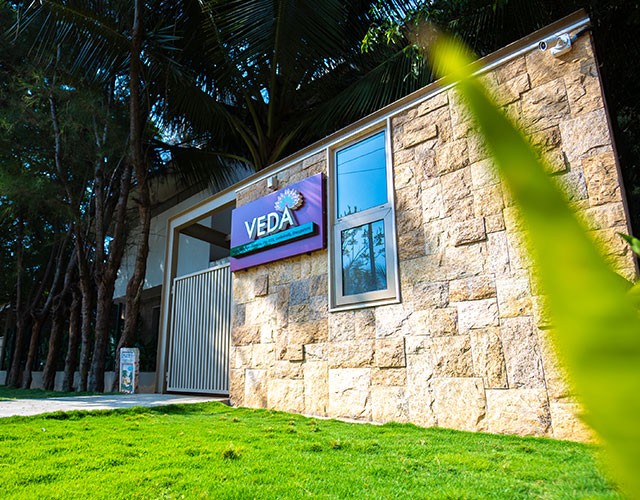
This is the legitimate case for luxury rehab in India. Privacy protects dignity, which matters enormously in a culture where stigma still keeps people silent. Good food and rest rebuild a body depleted by years of substance use. Nature, space and quiet reduce the constant fight-or-flight tension that sabotages early sobriety. Veda’s centre in Sikkim set amid the Himalayas, exists precisely for this reason, environment as medicine, not decoration. 

The key is balance. Environment supports recovery; it does not replace clinical care. A beautiful facility with weak treatment is a holiday, not a hospital. 

Red Flags to Watch Out For

This is the part of the buyer’s guide that could protect your loved one from real harm. India’s rehab sector is unevenly regulated and the consequences have been serious. 

Investigations and court orders have repeatedly exposed unregulated centres operating without licences, doctors, or qualified counsellors. In one striking case, the Delhi High Court ordered the suspension of services at nearly 300 private centres in the city over the absence of regulation, after reports of patients being admitted without consent, held against their will and subjected to abuse. A government audit in Punjab found that a majority of inspected centres were running without licences. These are not rare horror stories. They are a documented pattern. 

Watch out for these warning signs when choosing a private rehab centre in Mumbai or anywhere in India: 

  • No verifiable licence or NABH accreditation. If they dodge the question, walk away. 
  • No qualified medical staff on site no psychiatrist, doctor or trained counsellor. 
  • Admission without consent or “guaranteed cures.” No ethical centre promises a cure or detains adults against their will. 
  • Punitive or “tough love” methods involving confinement, force or humiliation. These violate the Mental Healthcare Act and cause lasting trauma. 
  • Vague treatment plans with no named therapies, no individual assessment and no aftercare. 
  • Pressure to pay large sums upfront with no transparency about what care is included. 

Trust your instinct. If a place feels secretive, defensive or coercive, it almost certainly is.

Questions to Ask Before Admitting a Loved One

Before you sign anything, ask these directly. The quality of the answers will tell you almost everything. 

  1. Are you registered under the Mental Healthcare Act, 2017 and are you NABH accredited? May I see proof? 
  2. What is your client-to-staff and client-to-therapist ratio? 
  3. Which qualified professionals, psychiatrist, doctors, psychologists, counsellors, are on site and how often will my loved one see them? 
  4. Do you treat co-occurring mental health conditions alongside addiction, in an integrated way? 
  5. What specific evidence-based therapies do you use? 
  6. Is treatment voluntary, and how do you protect patient consent and dignity? 
  7. What does the detox process look like and is it medically supervised? 
  8. What aftercare and relapse-prevention support do you provide once treatment ends? 
  9. What is included in the cost and what is extra? 
  10. Can I speak to the clinical team, not just the admissions desk? 

A trustworthy facility will welcome these questions. A questionable one will rush you past them. 

Why Veda's 5-Client Model Changes Outcomes

Everything in this guide points to one truth: individual attention is what makes recovery hold. This is the thinking behind Veda’s deliberately small 5-client model. 

Instead of filling beds, Veda limits each centre to a very small number of clients at a time. The result is a staff-to-client ratio most facilities cannot match, and it changes everything downstream. Therapists have the time to truly understand each person’s history, not just their diagnosis. Treatment plans are genuinely individual. Co-occurring depression, anxiety or trauma gets addressed alongside the addiction, because the team has the bandwidth to look that closely. Privacy is near-total, which matters deeply for professionals and families worried about stigma. 

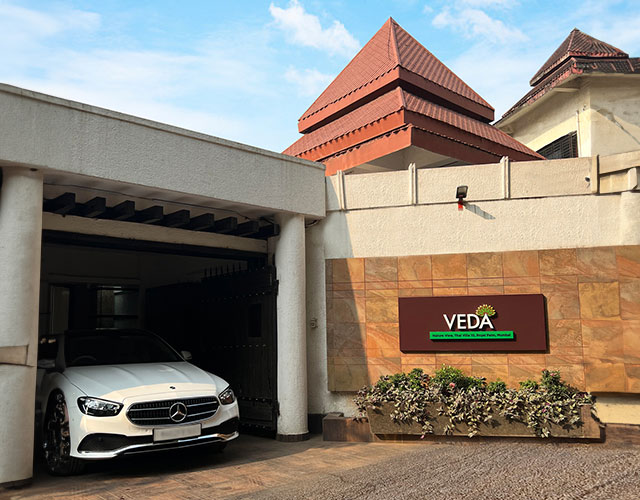
Across Veda’s centres in Mumbai, New Delhi, Bangalore and Sikkim, this small-scale, high-intensity model is paired with NABH-aligned clinical standards, medically supervised care and an environment designed to lower stress and support the healing brain. It is not luxury for its own sake. It is luxury in service of outcomes. 

Choosing where to send someone you love is frightening. But it is also an act of hope. Ask the hard questions, insist on the credentials and look for a place that treats your loved one as a whole person, because the right choice can give them their life back. 

Frequently Asked Questions (FAQs)

Q: How do I choose the best rehab centre in India?

Focus on three things: a low client-to-staff ratio, proper licensing under the Mental Healthcare Act 2017 plus NABH accreditation and evidence-based treatment that also addresses co-occurring mental health conditions. Visit, ask for credentials and meet the clinical team.

Genuine luxury rehab provides fewer clients per clinician, individualised care, privacy and a low-stress environment that supports healing. The comfort matters only because it enables deeper, more personal clinical care.

Partly. The Mental Healthcare Act, 2017 requires registration and guarantees patient rights, but enforcement is uneven and many centres still operate without licences. Courts have suspended hundreds of unregulated facilities, so always verify credentials yourself.

No verifiable licence or accreditation, no qualified medical staff, admission without consent, “guaranteed cures,” punitive or confinement-based methods and pressure to pay large sums upfront with no transparency. 

Extremely. Recovery depends on consistent, personal relationships with therapists and doctors. A low ratio means daily individual attention and treatment that adapts to the person, a major reason outcome differs between facilities. 

Veda’s 5-client model maximises the staff-to-client ratio, allowing truly individualised, integrated care and near-total privacy across its Mumbai, New Delhi, Bangalore and Sikkim centres, because personal attention is what makes recovery last. 

Leave A Comment

Your email address will not be published. Required fields are marked *