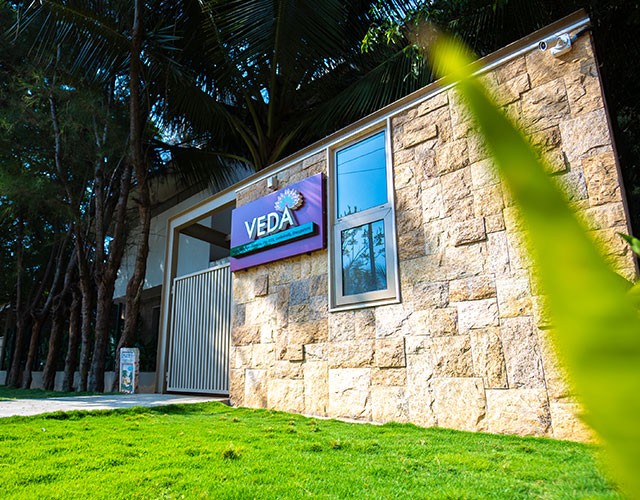
Treatment for Alcohol Addiction: A Complete Guide to Getting Help in India

  • Home
  • Uncategorized
  • Treatment for Alcohol Addiction: A Complete Guide to Getting Help in India

Alcohol addiction rarely begins as a problem. It often starts with social drinking, stress relief or a way to cope with life’s pressures. But over time, what once felt manageable can quietly turn into dependence. Families notice changes first like mood swings, isolation, declining health but many people struggling with addiction find it hard to accept that they need help.

If you or someone you love is facing this reality, it’s important to understand one thing: effective treatment for alcohol addiction is available and recovery is possible.

In India, awareness around alcohol addiction treatment has grown significantly. Today, there are medically supervised detox programs, evidence-based therapies and holistic rehabilitation centres designed to treat not just the addiction but the person as a whole.

This guide will walk you through everything you need to know from recognizing the signs to choosing the right alcohol rehab centre in Mumbai or Delhi, understanding costs and exploring long-term recovery options. Because the sooner you act, the better the chances of lasting recovery.

Signs you need professional treatment

Not everyone who drinks has an addiction but when alcohol starts controlling your life, it’s time to consider alcohol use disorder treatment.

Here are some warning signs:

  • You feel unable to stop or control drinking

Even when you decide to cut down or quit, you find yourself going back to alcohol, often drinking more than you planned.

  • You experience cravings or withdrawal symptoms

You feel a strong urge to drink and when you don’t, you may experience anxiety, irritability, shaking or restlessness.

  • Drinking affects your work, relationships or health

Alcohol starts interfering with your responsibilities, causing conflicts with loved ones or leading to physical and mental health issues.

  • You need more alcohol to feel the same effect (tolerance)

Over time, your body adapts and you require larger amounts of alcohol to achieve the same level of relaxation or intoxication.

  • You’ve tried quitting but relapsed repeatedly

Despite multiple attempts to stop, you return to drinking often feeling stuck in a cycle that’s hard to break without professional help.

Families often notice behavioral changes like anger, secrecy or emotional distance. These are not personality flaws; they are symptoms of a deeper issue.

Ignoring these signs can worsen the condition. Early intervention with proper alcohol addiction treatment significantly improves recovery outcomes.

Medical Detoxification

One of the most critical first steps in treatment for alcohol addiction is detoxification.

What is Alcohol Detox?

Alcohol detox India programs involve safely removing alcohol from the body under medical supervision. This stage is essential because withdrawal symptoms can range from mild anxiety to severe complications like seizures or delirium tremens.

Common Withdrawal Symptoms:

  • Tremors
  • Sweating
  • Nausea
  • Anxiety or depression
  • Insomnia
  • In severe cases: hallucinations or seizures

Why Medical Detox Matters

Attempting to detox at home can be dangerous. Professional alcohol withdrawal treatment ensures:

  • 24/7 medical monitoring
  • Medication to ease symptoms
  • Emotional support during the most difficult phase
  • Detox is not a cure but it lays the foundation for recovery.

Psychotherapy & Counseling

Once detox is complete, the real work begins which is understanding why the addiction developed.

Cognitive Behavioral Therapy (CBT)

CBT for alcoholism is one of the most effective therapies. It helps individuals:

  • Identify triggers
  • Change negative thought patterns
  • Develop healthier coping mechanisms

Other Therapies Include:

  • Motivational Enhancement Therapy (MET)

This approach helps individuals build internal motivation to quit alcohol by resolving doubts and strengthening their commitment to change.

  • Family Therapy

It involves family members in the recovery process, helping rebuild trust, improve communication and create a supportive home environment.

  • Group Counseling

Individuals share experiences with others facing similar struggles, reducing isolation and learning practical coping strategies together.

  • Trauma Therapy

This therapy addresses past emotional or psychological trauma that may be contributing to alcohol use, helping individuals heal at a deeper level.

Therapy addresses the emotional and psychological roots of addiction, making it a core part of alcohol addiction treatment.

At centres like Veda Rehabilitation & Wellness, therapy is personalized because no two recovery journeys are the same.

Residential vs. Outpatient Care

Choosing the right type of care is crucial.

Residential (Inpatient) Treatment

This involves staying at a rehab facility for a structured program.

Best for:

  • Severe addiction
  • Frequent relapses
  • Lack of a supportive home environment

Benefits:

  • 24/7 supervision
  • Structured daily routine
  • Immersive healing environment

Many people prefer a luxury alcohol rehab India option for privacy, comfort and holistic care.

Outpatient Treatment

Patients live at home and attend scheduled therapy sessions.

Best for:

  • Mild to moderate addiction
  • Strong family support
  • Work or personal commitments

However, outpatient care carries a higher risk of relapse if triggers are present.

Choosing between the two

For long-term recovery, residential programs often show better outcomes especially when combined with aftercare planning.

Whether you’re considering an alcohol rehab centre in Mumbai or an alcohol rehab centre in Delhi, ensure the program includes both medical and psychological support.

Support Groups & Aftercare

Recovery doesn’t end after rehab, it begins there.

Why Aftercare matters

Without ongoing support, relapse risk remains high. Studies suggest that continued engagement in aftercare significantly improves sobriety rates.

Common Aftercare Options:

  • Support groups (like AA)

Regular meetings with peers in recovery provide accountability, shared understanding and a sense of belonging that helps maintain sobriety.

  • Ongoing therapy sessions

Continued one-on-one counseling helps address triggers, manage stress and reinforce coping strategies even after rehab is completed.

  • Relapse prevention programs

These programs teach practical tools to identify high-risk situations, handle cravings and build a structured plan to avoid slipping back into alcohol use.

  • Family counseling

It helps families heal together, improve communication and learn how to support recovery without enabling addictive behaviors.

At Veda Rehab, aftercare programs are structured to support individuals even after they return to daily life including support for NRIs abroad.

Consistency in aftercare often makes the difference between temporary sobriety and lifelong recovery.

Holistic Treatment Approaches

Modern alcohol addiction treatment goes beyond medication and therapy.

Holistic Therapies Include:

  • Yoga and meditation

These practices help calm the mind, reduce stress and improve emotional control making it easier to manage cravings and stay grounded in recovery.

  • Sound healing

Using calming vibrations and frequencies, sound healing promotes deep relaxation, reduces anxiety and supports emotional balance during recovery.

  • Art therapy

Creative expression through drawing, painting or music allows individuals to process emotions they may struggle to put into words.

  • Nutritional counseling

A balanced diet helps repair the body from alcohol-related damage, boosts energy levels and supports overall mental well-being.

  • Fitness routines

Regular physical activity improves mood, reduces stress and rebuilds physical strength playing a key role in long-term recovery.

Luxury centres in India integrate these approaches to create a balanced healing environment. Holistic care is especially effective when combined with clinical treatments addressing both mind and body.

At Veda Rehabilitation & Wellness, healing goes beyond conventional therapy. Clients are introduced to unique practices like rock balancing, reiki, chakra workshops along with engaging outdoor activities such as trekking, cycling and nature walks designed to reconnect them with themselves and the world around them. Monthly outings are thoughtfully planned to help individuals gradually re-engage with real-life environments, build confidence and practice sobriety in social settings.

Dual Diagnosis Treatment

Many individuals struggling with addiction also face underlying mental health conditions.

This is known as dual diagnosis alcohol treatment.

Common Co-occurring Disorders:

  • Depression
  • Anxiety
  • PTSD
  • Bipolar disorder

If these issues are not treated alongside addiction, relapse becomes more likely.

Why Dual Diagnosis Matters

Treating only the addiction without addressing mental health is like treating symptoms without addressing the cause.

Integrated programs ensure:

  • Psychiatric evaluation
  • Medication management
  • Therapy tailored to both conditions

This approach significantly improves long-term recovery success.

The reality of seeking help in India

India now offers a wide range of rehabilitation options from standard clinics to luxury alcohol rehab India facilities.

What to look for:

  • Medical detox facilities
  • Qualified therapists and psychiatrists
  • Personalized treatment plans
  • Strong aftercare programs
  • Confidential and supportive environment

Families often delay treatment due to stigma or cost concerns. But waiting usually makes the situation worse and more expensive in the long run.

Early intervention can prevent years of damage to health, relationships and careers.

Why acting early matters

Alcohol addiction is progressive. It doesn’t stay the same, it worsens over time.

Many families reach out only after a crisis. But recovery is smoother, safer and more effective when treatment begins early.

If you’re even questioning whether help is needed then that itself is a sign to explore treatment for alcohol addiction. 

FAQs

1. What is the most successful way to stop drinking alcohol?

The most effective approach combines medical detox, therapy (like CBT for alcoholism), and long-term aftercare. A structured alcohol addiction treatment program offers the highest success rates.

Rehab duration varies:

  • Detox: 5–10 days
  • Residential treatment: 28–90 days
  • Aftercare: ongoing

Longer programs often lead to better outcomes in alcohol use disorder treatment.

Costs vary widely:

  • Standard rehab: ₹50,000 – ₹2,00,000 per month
  • Premium or luxury alcohol rehab India: ₹3,00,000+ per month

The cost depends on facilities, therapies and duration.

Alcohol addiction is not “cured” but managed successfully with proper alcohol addiction treatment. Many individuals live completely sober and fulfilling lives after treatment.

During alcohol detox India programs, the body clears alcohol while doctors manage withdrawal symptoms using medication and monitoring. This is the first step in alcohol withdrawal treatment.

  • Talk without judgment
  • Encourage professional treatment for alcohol addiction
  • Avoid enabling behavior
  • Consider family therapy

Support plays a critical role in recovery but professional help is essential.

Leave A Comment

Your email address will not be published. Required fields are marked *