From Dependence to Recovery: A Client’s Journey Through Cannabis Withdrawal

  • Home
  • Case Studies
  • From Dependence to Recovery: A Client’s Journey Through Cannabis Withdrawal

A client sought treatment at Veda’s Mumbai Centre in 2024 for cannabis addiction, accompanied by obsessive-compulsive disorder (OCD), depressive symptoms, and substance-induced anxiety. Through a holistic treatment plan incorporating therapy, medication, and wellness practices, the client achieved significant progress in mental health and recovery.

Background

Patient Profile: A young 28-year-old adult professional struggling with prolonged grief, procrastination and a pessimistic outlook on life.

Initial Concerns: Increasing substance use adversely impacted professional and personal life, leading to frequent depressive episodes, anxiety and panic attacks. Upon admission, the client exhibited intense withdrawal symptoms, including cravings and heightened anxiety.

Understanding Cannabis Dependence

Cannabis is often perceived as a “soft” substance, something less serious than alcohol or opioids and therefore less likely to cause real harm. This perception is one of the biggest obstacles to early intervention. In reality, regular, prolonged use can lead to a well-documented clinical condition known as Cannabis Use Disorder, marked by tolerance, withdrawal symptoms on cessation and continued use despite clear negative consequences at work, in relationships and in physical and mental health.

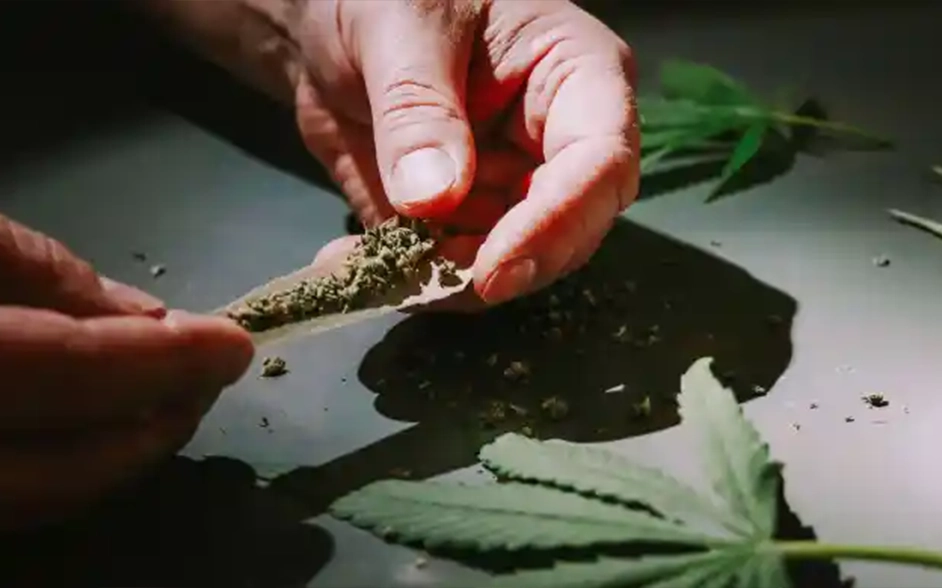
In India, cannabis takes several distinct forms and understanding them matters for recognising a genuine dependence. Marijuana, the dried flowers of the plant, is typically smoked and is the most widely used form nationally. Ganja refers to the same herbal form as it’s commonly known across much of India, made from the flowering tops and upper leaves of the female plant. Charas, a hand-rolled resin extracted from the plant’s flowering buds, is considerably more potent and is often smoked using a chillum. Hash (hashish) is a related resin-based concentrate, prepared and used similarly to charas, and prized and feared for its strength. Bhang, by contrast, is consumed orally, most often as a drink or edible, and carries a distinct cultural and religious status in India, particularly around festivals like Holi.

This cultural normalisation like spanning festivals, informal social settings and, in bhang’s case, a degree of legal and religious tolerance often delays recognition of genuine dependence. Many clients, like the one in this case, don’t initially see their use as a problem; they see it as a coping mechanism for stress, sleep or difficult emotions, regardless of which form like marijuana, ganja, charas, hash or bhang they’re using. It’s usually only when the substance starts interfering with functioning like missed deadlines, withdrawal from relationships, deteriorating mood that the underlying dependence becomes visible.

What makes cannabis dependence particularly tricky to treat is that it rarely shows up alone. It frequently travels alongside anxiety, depression, or obsessive-compulsive patterns, either as a cause, a consequence or both. Understanding this overlap was central to how Veda’s clinical team approached this client’s care.

The Client's Story: Life Before Treatment

Before arriving at Veda, the client’s daily life had become a slow negotiation between obligation and avoidance. Grief that had never been fully processed from a personal loss earlier in the client’s life had settled into a persistent low mood that rarely lifted.

What began as occasional ganja use to unwind gradually became a daily ritual to blunt that heaviness.

Procrastination became a defining feature of the client’s professional life. Tasks that once felt manageable began to feel insurmountable, not because of a lack of ability, but because of a growing wall of anxiety around starting them. Deadlines were missed. Meetings were avoided. Colleagues noticed the withdrawal, even if they didn’t know its cause. At home, the client’s relationships grew strained under the weight of irritability, secrecy around use and an increasingly pessimistic outlook that made even small setbacks feel catastrophic.

By the time the client and their family reached out to Veda, panic attacks had become a regular occurrence often triggered by nothing more than the anticipation of a stressful task or social interaction. The cycle was self-reinforcing: use to manage anxiety, anxiety that worsened as functioning declined, and functioning that declined further as use increased. Breaking that cycle required more than willpower required a structured, clinical approach.

Why Cannabis, OCD and Depression Often Co-Occur

One of the more clinically significant aspects of this case was the presence of obsessive-compulsive disorder alongside cannabis dependence and depressive symptoms. This combination is known as a dual diagnosis which is the presence of a substance use disorder and one or more co-occurring mental health conditions.

Dual diagnosis cases require a different approach than treating either condition in isolation. Cannabis, in any form  whether smoked as marijuana or ganja, taken as the more potent charas or hash, or consumed as bhang can temporarily dull the distress caused by intrusive, obsessive thoughts, which is why some individuals with undiagnosed or unmanaged OCD gravitate toward it as a form of self-medication. But the relief is short-lived and often makes both conditions worse over time: use can heighten anxiety and paranoia in some individuals, disrupt sleep architecture that OCD symptoms already compromise and blunt the effectiveness of therapeutic techniques used to manage obsessive-compulsive patterns.

Similarly, depression and cannabis use can reinforce one another. Chronic use is associated with amotivational symptoms like a flattening of drive and interest that can look strikingly similar to clinical depression, making it difficult to determine where one condition ends and the other begins without a proper clinical evaluation.

This is why Veda’s approach to cases like this one centres on treating the whole person rather than a single symptom. Addressing cannabis use without addressing the underlying OCD and depressive symptoms would likely have left the client vulnerable to relapse; addressing the mental health symptoms without addressing the substance use would have left an active variable working against recovery. For more on how co-occurring conditions are treated together, see Veda’s Dual Diagnosis Treatment programme and OCD Treatment approach.

The Assessment and Admission Process

When the client arrived at Veda’s Mumbai centre, treatment began with a comprehensive clinical assessment conducted by a multidisciplinary team of psychiatrists, clinical psychologists and wellness practitioners. This intake process was designed to build a complete picture of the client’s history: the pattern and duration of cannabis use, prior mental health symptoms, family history, medical background and the specific circumstances like unresolved grief that had shaped the client’s current state.

This assessment phase matters because no two cases of cannabis dependence look the same. A generic detox protocol would not have addressed the OCD symptoms or the depressive undertone driving much of the client’s substance use. Instead, the team used the intake findings to design an individualised care plan, with a dedicated psychiatrist and therapist assigned to oversee the client’s progress throughout their stay. Family members were also looped into the process early, both to gather collateral information and to begin preparing them for their role in the client’s recovery journey.

Withdrawal: What the Client Experienced

Upon admission, the client began experiencing the withdrawal symptoms common to individuals discontinuing regular cannabis use. These included intense cravings, irritability, disrupted sleep and a marked spike in anxiety are symptoms that, left unmanaged are among the most common reasons people relapse in the first days and weeks of treatment.

Cannabis withdrawal, while generally less physically dangerous than withdrawal from substances like alcohol or opioids, can still be significantly distressing. Anxiety and irritability often peak within the first week of cessation and cravings can persist for several weeks as the brain’s reward pathways gradually recalibrate. For a client already managing OCD and depressive symptoms, this window was especially vulnerable as heightened anxiety could easily have intensified obsessive thought patterns or deepened depressive symptoms if left unaddressed.

Veda’s medical team closely monitored the client through this period, using medication support where clinically appropriate to ease acute symptoms, alongside round-the-clock support from the wellness and nursing staff. Rather than treating withdrawal as something to simply “wait out,” the team used this period as a foundation-setting phase like stabilising the client physically and emotionally before deeper therapeutic work began.

The Treatment Plan

Once the acute withdrawal phase stabilised, the client moved into a structured, multi-pronged treatment plan built around three pillars: psychotherapy, medication management and wellness-based practices.

Psychotherapy: The client engaged in regular one-on-one sessions using Cognitive Behavioral Therapy (CBT) to identify and restructure the distorted thought patterns fuelling both the depressive outlook and the obsessive-compulsive symptoms. Where obsessive thought loops were particularly persistent, Dialectical Behavioral Therapy (DBT) techniques were introduced to build distress tolerance and emotional regulation skills ar tools the client could use in place of reaching for cannabis whenever anxiety spiked.

Medication Management: Working closely with Veda’s psychiatric team, the client’s medication plan was adjusted over the course of treatment to address the depressive symptoms and anxiety, while carefully monitoring for interactions and side effects as the client’s system cleared of cannabis. Medication was never positioned as a standalone solution but as one component supporting the client’s capacity to engage meaningfully in therapy.

Wellness Practices: Alongside clinical care, the client took part in Veda’s wellness programming like yoga, mindfulness practice and nature-based therapy sessions that leveraged the calming environment of the centre. These practices served a dual purpose: they gave the client healthier tools for managing anxiety and restlessness and they helped rebuild a sense of routine and self-discipline that had eroded during the period of active procrastination and substance use.

Group Therapy: The client also participated in group therapy sessions, offering a space to hear from peers navigating similar struggles with substance dependence and co-occurring mental health conditions. For many clients, this is often the first time they realise their experience isn’t unique or shameful which is a realisation that itself becomes a meaningful part of recovery.

Milestones and Turning Points

Recovery rarely follows a straight line and this case was no exception. In the first two to three weeks, progress was largely about stabilisation like sleep normalising, cravings becoming less overwhelming and the acute edge of anxiety softening as the medication plan took effect and therapeutic rapport was built.

By the mid-point of treatment, more visible shifts began to emerge. The client started engaging more actively in group sessions rather than remaining withdrawn. Journaling exercises, introduced as part of the CBT work, revealed a gradual shift in the client’s internal narrative from persistent self-criticism toward a more balanced, if still developing, sense of self-compassion. Obsessive-compulsive symptoms, while not eliminated, became more manageable as the client learned to apply DBT-based distress tolerance techniques in the moment rather than avoiding triggers altogether.

Perhaps the clearest turning point came when the client began voluntarily discussing the unresolved grief that had underpinned much of the depressive outlook and substance use. Naming and processing that grief is something the client had avoided for years which marked a significant shift from managing symptoms to addressing root causes.

Family Involvement in the Recovery Process

Recovery from cannabis dependence and co-occurring mental health conditions rarely happens in isolation from a client’s support system. Throughout treatment, Veda’s team engaged the client’s family through structured Family Therapy sessions, helping them understand the nature of dual diagnosis, the realities of withdrawal and practical ways to support the client without enabling old patterns.

For families, watching a loved one struggle with addiction and mental health symptoms can bring its own confusion, frustration and guilt. Involving the family early helped rebuild trust and communication that had frayed during the period of active substance use and gave the client a stronger support network to return to after discharge. Veda’s Support for Families resources continued to guide the family through this transition even after the client’s formal treatment concluded.

Life After Discharge: Continuing the Recovery Journey

Treatment at a rehabilitation centre marks the beginning of recovery, not its conclusion. As the client approached discharge, the care team worked with them to build a structured aftercare and relapse-prevention plan which is one that included continued outpatient therapy, a clear medication management schedule with their prescribing psychiatrist and practical strategies for navigating high-risk situations, such as social settings where cannabis use might previously have been routine.

The client was also encouraged to maintain the wellness practices introduced during treatment like a consistent sleep routine, mindfulness practice and regular physical activity as protective habits against the return of both depressive symptoms and cravings. Ongoing check-ins with the clinical team helped the client navigate the early months post-discharge, which are often the period of highest relapse risk. For a broader look at what sustained recovery involves, Veda’s guide on Life After Rehab outlines the long-term support structures available to clients after they leave a residential programme.

Key Takeaways

This case illustrates several points that are often overlooked in conversations about cannabis use:

  • Cannabis dependence is real and treatable, even though it’s frequently minimised as a “lesser” addiction.
  • Co-occurring conditions need to be treated together. Addressing substance use without addressing underlying anxiety, depression or obsessive-compulsive symptoms or vice versa significantly raises the risk of relapse.
  • Withdrawal support matters. The early days after stopping cannabis use are a vulnerable window, and structured medical and emotional support during this period can make the difference between relapse and sustained progress.
  • Recovery is a process, not an event. Meaningful change unfolded gradually, through consistent therapeutic work, medication support and the client’s own growing willingness to confront long-avoided grief.
  • Family involvement strengthens outcomes. A supported, informed family system gives clients a stronger foundation to return to after treatment.

If cannabis use, low mood, anxiety or obsessive thought patterns are affecting your life or that of someone you love, know that support is available. Veda’s clinical team specialises in exactly this kind of layered, dual-diagnosis care. You can take Veda’s Self-Assessment Test as a starting point, or reach out to our team directly for a confidential conversation.

Frequently Asked Questions

Is cannabis withdrawal dangerous?

Cannabis withdrawal is generally not considered physically dangerous in the way alcohol or opioid withdrawal can be, but it can cause significant distress including intense cravings, irritability, anxiety and disrupted sleep. For individuals with co-occurring conditions like OCD or depression, unmanaged withdrawal symptoms can worsen those conditions, which is why medical supervision during this period is valuable.

Symptoms often peak within the first week after stopping use and can persist, in a milder form, for two to four weeks. Cravings and sleep disturbances may linger longer for individuals with a history of heavy, prolonged use.

Yes. In fact, treating them together through a dual diagnosis approach typically produces better outcomes than treating either condition in isolation, since cannabis use and OCD symptoms frequently reinforce one another.

Not always, but inpatient care can be particularly valuable in cases involving co-occurring mental health conditions, as it allows for closer clinical monitoring during withdrawal and more intensive, structured therapeutic work than outpatient treatment alone typically allows.

Aftercare typically includes continued outpatient therapy, ongoing psychiatric follow-up if medication is part of the treatment plan, relapse-prevention planning, and continued family support all aimed at helping the client sustain the progress made during residential treatment.

Charas and hash are resin-based concentrates and are generally more potent than herbal marijuana or ganja, meaning dependence and withdrawal symptoms can develop more quickly with regular use. All forms, including bhang, can lead to Cannabis Use Disorder with sustained, heavy use.

Comments are closed