- Mumbai, Gangtok, New Delhi, Bangalore
- (+91) 81518 30000
- WhatsApp Now
- contact@vedawellnessworld.com
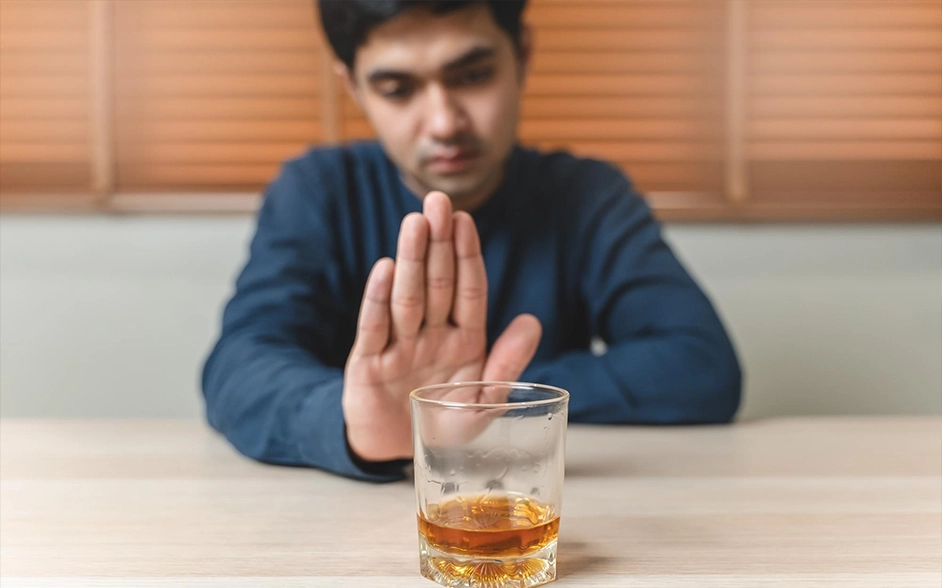
For years, the drink was the reward. The thing you’d earned after a long day, the glue of every celebration, the proof that you were doing well. Saying no felt like saying no to life itself.
And then, quietly, something shifts. You wake up clear-headed on a Sunday and realise you can’t remember the last time you felt this good. You notice how much sharper, calmer and more present you are. You start to wonder: what if the thing I thought I needed was actually holding me back? That question has a name now, sober curious, and across India’s cities, more and more thoughtful, successful people are daring to ask it. This is for anyone who’s started to wonder too.
This isn’t a passing fad imported from the West. It’s a genuine cultural shift and the data backs it up.
Around the world, younger generations are drinking notably less than those before them, one report found the share of young adults planning to cut back on alcohol jumped 53% year-on-year heading into 2024. India is following the same path. According to an IWSR study, in 10 major Indian cities.72% of affluent drinkers reported taking a break from alcohol for a period of time. India’s non-alcoholic beverage market, valued at around ₹1.37 trillion in 2023, is projected to reach ₹2.10 trillion by 2029, a clear sign of how many people are seeking alternatives.
Why now? For India’s urban professionals, the reasons are deeply relatable: a rising focus on health and wellness, the desire to be fully present and high-performing at work, better sleep, clearer skin, saving money and a growing awareness that the World Health Organisation links alcohol to more than 200 health conditions, including liver disease and cancer. “Not drinking” has quietly stopped being weird, and started being aspirational.
If you’re wondering why anyone would quit drinking in India, the honest answer is found in how the body and mind respond. Here’s what the research shows.
The first 30 days: This is where the magic becomes obvious. In the University of Sussex’s well-known study of people who took a month off alcohol.71% slept better, 67% had more energy, 58% lost weight, 57% reported better concentration and 54% noticed clearer skin. Restful sleep often returns within just a few days as the brain’s sleep cycles recover. Your liver, which processes over 90% of the alcohol you drink, begins to shed fat and repair. Research published in BMJ Open found that even one month of abstinence improved blood pressure, insulin resistance and weight and lowered certain cancer-related growth factors in the blood. And 88% of participants saved money they’d otherwise have spent on drinks.
By 90 days: The deeper changes settle in. The liver continues to regenerate, mood becomes steadier (alcohol is a depressant, so its absence often lifts the low-grade anxiety and “Wednesday dip” many heavy drinkers never connected to their weekend) and mental clarity sharpens. The cravings that once felt automatic begin to lose their grip as new, healthier routines take their place.
By 180 days and beyond: This is where a temporary experiment becomes a transformed life. Strikingly, the Sussex research found that six months on, 70% of participants were still drinking less than beforeproof that even a short reset rewires your relationship with alcohol. Cardiovascular strain eases, long-term disease risk drops and many people describe a quiet but profound shift in identity: they no longer see themselves as someone who needs alcohol to cope, celebrate or belong.
These are the sobriety benefits in India that no one warns you about, because they’re overwhelmingly good news.
The numbers tell one story. The people living them tell another. While we protect every individual’s privacy, the reflections people in recovery share with us tend to echo the same themes, and these composite pictures capture them honestly.
There’s the 41-year-old founder who said the hardest part wasn’t quitting, it was admitting how much he’d been using wine to silence a stress he never named. Six months in, he described sleeping “like I did in my twenties” and finally being emotionally available to his kids.
There’s the marketing executive who feared a sober life would be boring and isolating, only to discover she laughed harder and connected more deeply when she actually remembered her evenings.
And there’s the quiet, recurring realisation across so many recoveries from alcoholism journeys in India: the life people were afraid sobriety would take away was, in many ways, the very life the drinking had already been stealing.
For high-achievers, this is often the part that seals the decision.
Alcohol quietly taxes the very things ambitious people rely on: focus, memory, decision-making and emotional steadiness. Even moderate evening drinking disrupts the deep, restorative REM sleep your brain needs to consolidate memory and regulate mood, which is why the morning after rarely brings your sharpest thinking.
Remove it, and those faculties come back online. In that same research, well over half of people reported better concentration within a single month. Without the cognitive fog of last night’s drinks or the slow drag of disrupted sleep, professionals describe sharper mornings, steadier energy through the afternoon, better emotional regulation under pressure and more consistent creativity. The benefits of a sober life aren’t only about health; they’re a genuine professional advantage. You’re simply operating with your full brain back.
You don’t need to label yourself, swear off alcohol forever or wait until things go wrong. Curiosity is enough to begin.
Start with a clear “why”, better sleep, more energy, presence with family, sharper performance, and return to it when habit tugs at you. Try a defined, time-bound reset, like 30 alcohol-free days, which is far easier to commit to than “forever.” Replace rather than just remove: keep alcohol-free options you actually enjoy ready for social settings, so saying no never feels like missing out. Tell a friend or do it alongside someone, because shared accountability makes it stick. And be kind to yourself, this is about progress and self-awareness, not perfection or punishment.
For most people, sober curiosity is a healthy, self-led exploration. But if you try to cut back and find you genuinely can’tif stopping brings strong cravings, physical withdrawal or distress, that’s an important signal, not a failure. Heavy daily drinkers should never stop abruptly without medical guidance, as withdrawal can be dangerous. That’s where compassionate, professional support matters.
At Veda Rehabilitation & Wellness, with centres in Mumbai, New Delhi, Bangalore and the calm of Sikkim, recovery is treated as a path to a fuller life, not a sentence. Care is evidence-based and integrated, addressing not just the drinking but the stress, anxiety or burnout beneath it, and always grounded in dignity and discretion. However you begin, the door to an alcohol-free life is open, and the version of you on the other side is worth meeting.
It means questioning and becoming mindful about your relationship with alcohol, rather than drinking on autopilot. It doesn’t require having a serious problem, it can simply be a wellness-driven choice to drink less or not at all.
Within about a month, research shows most people sleep better, have more energy, lose weight, think more clearly and notice better skin, plus lower blood pressure and a liver that begins to repair. Many also save a meaningful amount of money.
Yes. An IWSR study found 72% of affluent drinkers across 10 major Indian cities had taken a break from alcohol and India’s non-alcoholic beverage market is projected to nearly double from ₹1.37 trillion (2023) to ₹2.10 trillion by 2029.
Very likely. Alcohol disrupts deep sleep and clouds focus, memory and mood. Most people report sharper concentration and steadier energy within weeks of stopping, a real cognitive and professional advantage.
If you try to cut back and can’t or if stopping triggers strong cravings, withdrawal symptoms, or distress, seek support. Heavy daily drinkers should not quit abruptly without medical guidance. Veda offers confidential, evidence-based care to help you do it safely.