After-Office Drinks: When Team Bonding Becomes a Dependency Trap

  • Home
  • Addiction
  • After-Office Drinks: When Team Bonding Becomes a Dependency Trap

It starts as a good thing. The deal closed, the quarter ended, the team survived another brutal week, so everyone heads out for drinks. There’s laughter, relief, a sense of belonging you don’t get in a conference room. For most people, that’s exactly where it stays: a warm evening, a way to unwind together. 

But for some of your colleagues, maybe someone you’d never suspect, those Friday drinks have quietly become something they can’t get through the week without. The line between bonding and dependency is thinner than corporate India likes to admit and it’s almost invisible because we’ve built our work culture around the very thing that hides it. If you’ve ever wondered whether your workplace celebrates a habit that’s hurting people, this is for you. 

India's Workplace Drinking Culture

Somewhere along the way, alcohol stopped being optional at work and started being expected. Client dinners that don’t feel complete without a round. Team offsites built around the bar. The casual “let’s grab a beer and talk it through.” In many corners of corporate India, the person who doesn’t drink is the one who has to explain themselves. 

This is the heart of workplace drinking culture in India: alcohol is woven into how we bond, celebrate, network and decompress. None of that is inherently wrong. The problem is that it creates the perfect hiding place for dependency. When everyone is drinking and it’s all in the name of team spirit, how does anyone, including the person themselves, notice when “social” has quietly become “compulsive”? 

The scale of the underlying issue is significant. According to the National Survey on Extent and Pattern of Substance Use in India, around 16 crore Indians consume alcohol and more than 5% of the population is affected by harmful or dependent use. Yet only about 2.6% of alcohol-dependent people receive any treatment. Many of those silent strugglers are sitting in offices, performing well, raising a glass at every team event, and falling apart only in private. 

What the research says about work stress and alcohol

To understand corporate alcohol addiction in India, you have to start with how stressed Indian professionals actually are. 

In the McKinsey Health Institute’s 2023 survey of more than 30,000 employees across 30 countries. India reported the highest burnout rate in the world at 59%nearly three times the global average of 20%. A separate Deloitte India survey found that 80% of the Indian workforce reported mental health symptoms in a single year, with 47% naming workplace stress as the single biggest factor affecting their wellbeing. 

Here’s the link that matters: a stressed, exhausted brain craves fast relief and alcohol delivers it. It quiets a racing mind, blunts anxiety and helps an overworked person finally switch off. Research consistently connects high work stress and poor mental health with risky and problematic drinking patterns, because for many, the drink becomes a coping tool. The trouble is that the relief is short-lived. The body adapts, the dose creeps up and the very habit meant to manage stress begins to deepen the anxiety and low mood underneath it. Burnout becomes a doorway to alcohol dependency, and the after-office ritual holds that door wide open. 

High-Functioning Alcoholism Among Executives

The most dangerous version of this is the one no one sees coming, because it looks like success. 

A high-functioning alcoholic in the workplace doesn’t fit the stereotype. They hit targets, lead teams and never slur in a meeting. From the outside, they’re thriving. But behind the performance, they drink daily, the quantity keeps climbing and they’ve quietly lost the ability to stop, even when they want to. 

Because they’re delivering results, no one intervenes, least of all them. The very competence that makes them valuable is what lets the alcohol dependency hide in plain sight. The warning signs are subtle: drinking alone every evening to “unwind,” needing alcohol to sleep, becoming irritable or anxious on a dry day, carefully managing how much others see them drink and repeatedly trying to cut down without success. That last one is the clearest signal of all. A person who can take it or leave it doesn’t wage private willpower battles. Trying to stop and being unable to is the heart of dependency, and it’s a medical condition, not a character flaw.

The Role of Leadership in Enabling It

This is the uncomfortable part. Leaders often set the very tone that fuels the problem, usually without meaning to. 

When the boss treats every celebration as a drinking occasion, when promotions and deals are sealed over rounds, when “work hard, party hard” is worn as a badge of honour, a clear message goes out: heavy drinking is how we belong here. For a junior employee already struggling or for an executive quietly slipping into dependency, that culture removes the last social brake. 

Leaders also set the pace that drives people to drink in the first place. A culture of relentless overwork, always-on availability and impossible deadlines produces exactly the burnout that pushes people toward alcohol for relief. The same Deloitte research found that 39% of struggling employees took no steps to get help, largely because of stigma and that stigma is strongest where leaders treat distress as weakness rather than a health issue. 

The good news is that leadership cuts both ways. A leader who models balance, who makes drinking genuinely optional, protects rest, talks openly about mental health and treats getting help as strength, can shift a whole culture. People drink less compulsively when not drinking is truly safe. 

A Guide for HR Teams

HR sits at the intersection of culture, compassion, and cost. Poor employee mental health is estimated to cost Indian employers around USD 14 billion a year in absenteeism, lower productivity and attrition, according to Deloitte, so this is both a human and a business priority. Here’s where to start. 

Rethink “bonding.” Build team events that don’t revolve around alcohol. Make non-drinking a genuinely equal, unremarkable choice, not something anyone has to justify. 

Train managers to notice, not police. Equip leaders to recognise the quiet signs of distress and dependency and to respond with care and a confidential referral rather than judgement or HR threats. 

Make help confidential and easy. Offer Employee Assistance Programmes and clear, private pathways to support. Fear of career damage is the single biggest reason professionals don’t seek treatment, remove that fear. 

Treat the root, not just the symptom. Address the overwork and chronic stress driving people toward alcohol. Wellness webinars don’t fix a culture of 14-hour days. 

Lead on stigma. When senior people speak openly about mental health and recovery, it gives everyone else permission to ask for help before crisis hits. 

Confidential Treatment Options for Professionals

Here’s the hopeful truth: high-functioning alcohol dependency often responds very well to treatment, precisely because the person still has so much intact to build on. 

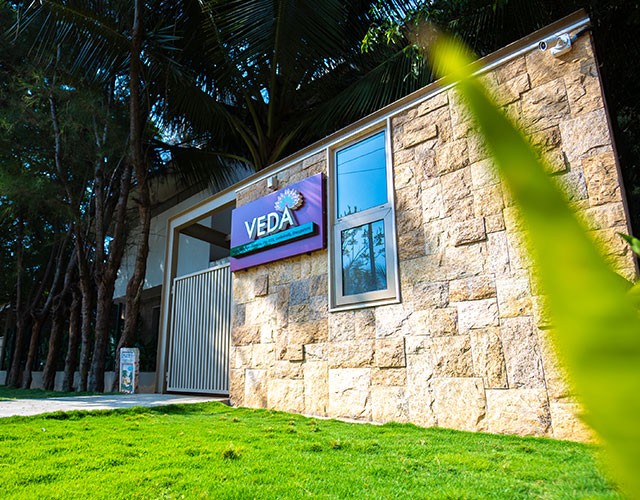
At Veda Rehabilitation & Wellness, an alcohol de-addiction centre in Mumbai, the executive programme is designed for working professionals who need help but can’t simply vanish from their responsibilities. As a rehab for professionals in India built around discretion, it typically includes strict confidentiality so that seeking help never risks a reputation or a career; a full assessment that looks beyond the drinking to underlying anxiety, depression or burnout; integrated dual-diagnosis care that treats the alcohol dependency and any co-occurring mental health condition together rather than one after the other; evidence-based therapy such as Cognitive Behavioural Therapy (CBT); and relapse-prevention support that fits back into a demanding professional life. 

Asking for help isn’t the end of a successful career. Very often, it’s what saves it, and the person living it.

Frequently Asked Questions

Is workplace drinking really linked to alcohol addiction? 

It can be. When alcohol is woven into bonding, celebration and networking, heavy regular drinking becomes normalised and hard to spot. Combined with India’s exceptionally high workplace burnout, that culture can quietly tip social drinking into dependency for vulnerable individuals.

They perform well but show subtle signs: drinking alone daily to unwind, needing alcohol to sleep, irritability on alcohol-free days, hiding how much they drink and repeatedly failing to cut down. The inability to stop despite trying is the key marker. 

Stigma and fear of career damage. Deloitte found 39% of struggling employees took no steps to manage their symptoms, largely due to stigma. Only about 2.6% of alcohol-dependent Indians receive any treatment. Confidential care helps remove that barrier.

Make non-drinking genuinely normal at events, train managers to notice distress and refer with compassion, offer confidential support pathways and tackle the overwork driving people to drink. The goal is care and culture change, not policing.

Veda’s executive programme is built around privacy and discretion, with care plans designed to fit a demanding professional life. The first step is simply a private, judgement-free conversation. 

Leave A Comment

Your email address will not be published. Required fields are marked *