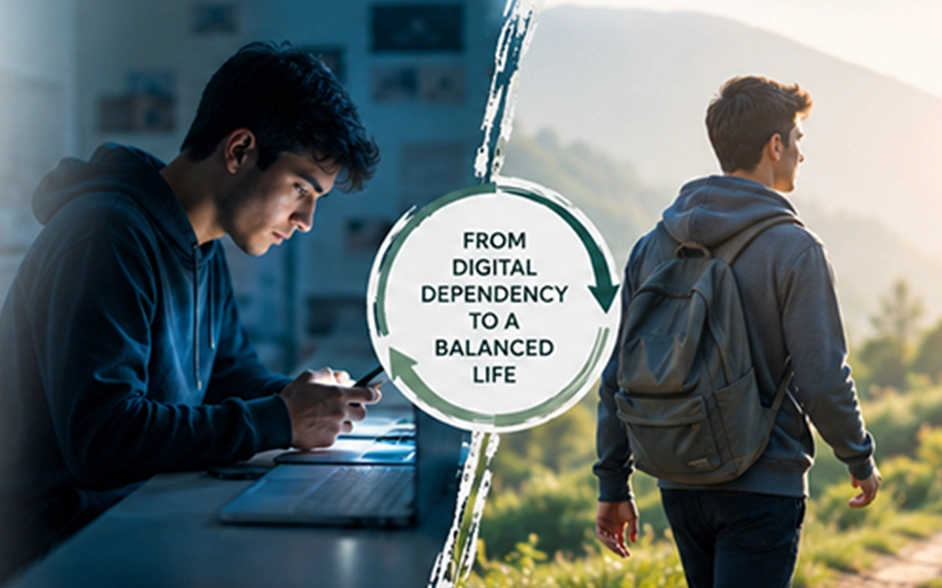
Finding Balance Again: Recovery from Screen Addiction and Digital Dependency 

  • Home
  • Case Studies
  • Finding Balance Again: Recovery from Screen Addiction and Digital Dependency 

The client reached out to Veda Rehabilitation and Wellness with complaints of excessive screen usage, social withdrawal, emotional dysregulation, and increasing difficulty functioning without digital devices. The client spent a significant portion of the day engaged in gaming, social media, and online content consumption. Over time, screen use had begun affecting sleep, productivity, interpersonal relationships, and emotional wellbeing. A detailed and individualized treatment plan was formulated to help the client regain balance and reconnect with offline life.

A structured plan was formulated to help the client manage anxiety, reduce dependence, rebuild routine, improve emotional regulation, and develop healthier coping mechanisms.

Client Profile

A young adult presenting with Screen Dependency characterized by compulsive use of smartphones, social media, gaming, and digital entertainment. The client reported increasing difficulty regulating screen time and managing emotions without digital stimulation. 

Initial Concerns

  • Excessive and compulsive screen use 
  • Difficulty concentrating on offline tasks 
  • Sleep disturbances and irregular routine 
  • Social withdrawal and reduced face-to-face interactions 
  • Emotional irritability when unable to access devices 
  • Poor emotional regulation and dependence on screens for comfort 
  • Reduced motivation for hobbies, studies, and daily responsibilities 

Approach & Methodology


Digital Detox & Behavioural Restructuring 

A phased digital detox programme was introduced. The client was first encouraged to monitor screen usage patterns and identify triggers before gradually reducing dependence through structured limits and behavioural modification strategies. 

 Cognitive Behavioural Therapy (CBT)

CBT was used to identify thought patterns contributing to excessive screen use. The client explored emotional triggers such as boredom, loneliness, anxiety, and avoidance, and developed healthier responses to these experiences.

Mindfulness & Emotional Awareness 

Mindfulness practices were introduced to help the client become more aware of urges and impulses related to screen use. Breathing exercises, mindful observation, and grounding techniques were incorporated into the treatment plan. 

Alternative Engagement & Lifestyle Development

The client was encouraged to participate in sports, outdoor activities, creative arts, reading, wellness activities, and social interactions. These experiences helped replace screen time with meaningful offline engagement.  

Wellness Interventions

The programme was supported through yogameditation, expressive arts therapy, music therapy, wellness activities, and physical exercise. These interventions helped regulate mood, improve concentration, and increase overall wellbeing.

Challenges Faced During Treatment

The client initially experienced significant resistance to reducing screen time and frequently reported urges to return to previous habits. Screens had become a primary source of entertainment, comfort, and emotional escape. The treatment team responded by implementing gradual changes rather than immediate restrictions. Small achievable goals, positive reinforcement, and structured routines helped increase motivation and reduce resistance. 

The client also struggled with boredom during the early stages of treatment. Introducing enjoyable offline activities and social engagement played an important role in overcoming this challenge. 

Results & Success Indicators

  • Significant reduction in daily screen time 
  • Improved sleep quality and routine

  • Increased participation in social and recreational activities 
  • Better emotional regulation and reduced irritability 
  • Improved concentration and attention span 
  • Greater engagement in offline hobbies and interests 
  • Increased confidence in managing screen use independently 
  • Improved overall wellbeing and quality of life 

Key Takeaways & Lessons Learned

This case highlighted how excessive screen use often serves as a coping mechanism rather than merely a habit. By addressing the emotional needs underlying digital dependency and providing healthier alternatives, the client was able to regain control over technology rather than allowing technology to control daily life. 

The combination of behavioural interventions, emotional regulation skills, mindfulness, and holistic wellness practices proved highly effective in helping the client build a healthier and more balanced relationship with digital devices.

Client Perspective

“I thought I was just spending time online. I didn’t realize how much of my life I was missing offline.” 

Confidentiality & Disclaimer

Anonymity Assurance

Names, images, or identifying details have been changed or omitted to protect the privacy of the individuals involved.

Medical Disclaimer 

This case study is provided for informational purposes only. It should not be construed as medical advice, nor is it intended to replace the guidance of qualified healthcare professionals. Always seek the advice of a licensed medical provider with any questions you may have regarding a medical condition.

Leave A Comment

Your email address will not be published. Required fields are marked *