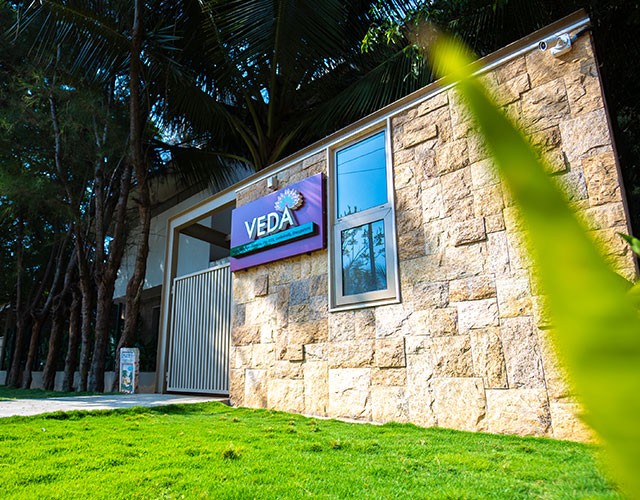
Why Nature Heals: The Science Behind Veda’s Himalayan Recovery Centre

  • Home
  • Addiction
  • Why Nature Heals: The Science Behind Veda’s Himalayan Recovery Centre

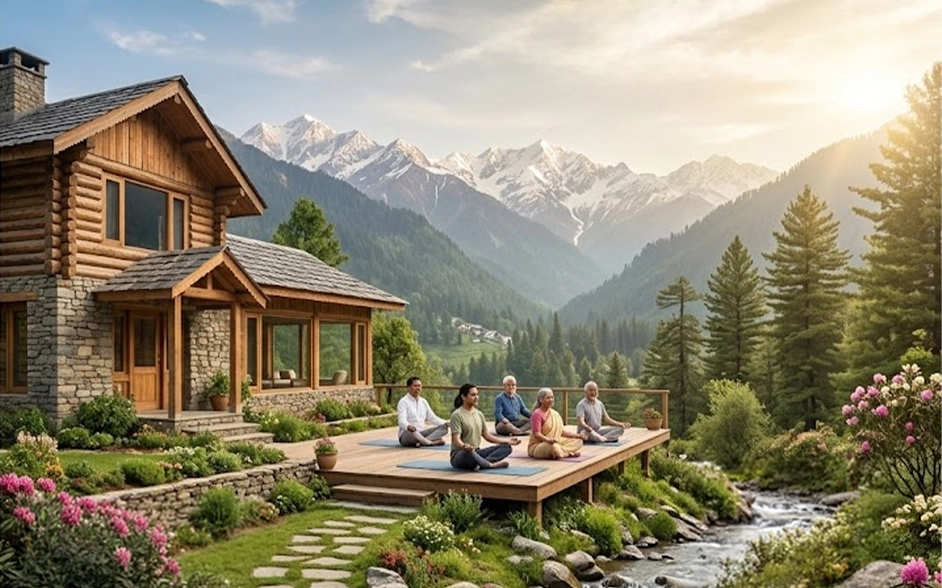
Close your eyes for a moment and picture it. Cool mountain air. The distant sound of prayer bells carried on the wind. Pine forests stretching toward snow-dusted Himalayan peaks. No notifications. No traffic. No bar around the corner. Just stillness and space to breathe. 

For someone exhausted by addiction, by the noise, the cravings, the relentless pull of old triggers, this kind of place can feel like the first real exhale in years. And it turns out that feeling isn’t just poetic. It’s biological. There is genuine science behind why nature heals and it’s the reason Veda chose the quiet of Sikkim to build a place where recovery can take root.

The Ecotherapy Research Base

Ecotherapy, sometimes called nature therapy, is the practice of using contact with the natural world to support mental and physical health. It isn’t a vague wellness idea. It’s an area with a growing, serious body of research. 

Across dozens of studies, time spent in natural environments has been shown to reduce stress, lower blood pressure, improve mood and restore depleted attention and focus. The Japanese practice of shinrin-yoku or “forest bathing,” has been studied extensively: a systematic review and meta-analysis published in the International Journal of Biometeorologyfound that in nearly all included studies, cortisol, the body’s main stress hormone, was significantly lower after forest exposure. A separate meta-analysis of 20 trials found that forest environments significantly lowered both systolic and diastolic blood pressure. 

This matters enormously for addiction recovery, because so much of what fuels addiction is unmanaged stress. Nature therapy in addiction recovery isn’t a luxury add-on, it’s working on the very systems that recovery depends on. 

How Nature Reduces Cortisol and Craving

Here’s where the science gets personal. In a well-known University of Michigan study published in Frontiers in Psychologyresearchers found that spending just 20 to 30 minutes in a natural setting was enough to significantly reduce cortisol levels, with the steepest drop occurring in that 20-to-30-minute window. Researchers now talk about prescribing “nature pills” the way a doctor might prescribe medicine. 

Why does this matter for someone in recovery? Because stress is one of the most powerful triggers for relapse. When cortisol is high and the nervous system is in constant fight-or-flight, cravings intensify and the brain reaches for its old escape. Nature works in the opposite direction: studies show forest environments shift the body away from that stressed “sympathetic” state and toward the calming “parasympathetic” state, slowing heart rate and easing tension. 

In simple terms: a calmer body is a body that craves less. By gently lowering stress and quieting the nervous system, a natural setting helps loosen the grip of cravings and gives a person in recovery a fighting chance to respond differently. That’s the quiet power of eco therapy in India’s most beautiful landscapes.

The Role of Altitude and Climate

There’s something about the mountains specifically. Part of it is the environment itself, the clean, crisp air, the abundant natural light that helps reset disrupted sleep and circadian rhythms, the cooler climate and the profound quiet that gives an overstimulated mind room to settle. 

But part of it is simpler and just as important: distance. A Himalayan rehab in India physically removes a person from the places, people and easy availability that kept the addiction alive. There’s no familiar bar on the route home, no usual supplier a phone call away, no environment saturated with cues that trigger old habits. That separation, combined with the restorative effect of natural surroundings, creates a rare kind of safety, the space to heal without constantly fighting the next temptation. The mountains don’t just look peaceful. They remove the noise that recovery so badly needs silenced. 

What a Day at Veda Sikkim Looks Like

A day in this kind of setting is built to let the science do its work, woven through with genuine clinical care. 

Mornings tend to begin slowly and naturally, waking with the daylight, fresh mountain air, perhaps gentle movement, yoga or quiet meditation as the mist lifts off the hills. The day balances structured, evidence-based therapy, individual counselling, group sessions and integrated treatment for any underlying anxiety, depression or trauma, with deliberate time outdoors. Mindful walks, sitting in nature and simply being present in the landscape aren’t downtime; they’re part of the treatment, lowering cortisol and rebuilding a frayed nervous system. 

Nutritious food, real rest and protected sleep restore a body depleted by years of addiction. Evenings make space for reflection and connection with others walking the same path. The rhythm is unhurried and humane by design, because recovery doesn’t happen in chaos. It happens in calm, consistent, supported days, one after another, in a place that feels safe enough to finally let your guard down. 

Who is Veda Sikkim for?

This kind of recovery isn’t right for everyone, and that’s an honest thing to say. A Himalayan setting suits people who are ready to step fully away from their triggers and daily environment to focus completely on healing, those who feel suffocated by the noise and pace that surrounded their addiction and who find that peace and natural beauty help them think clearly. 

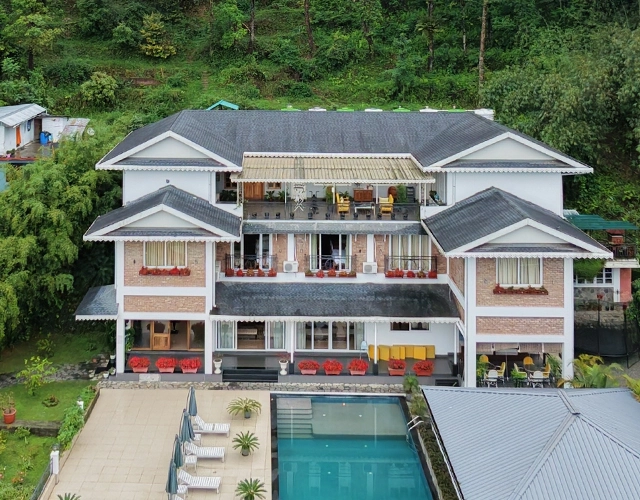
It’s especially powerful for people dealing with stress-driven addiction, burnout or co-occurring anxiety and depression, where a calmer environment directly supports the clinical work. Veda Rehabilitation & Wellness operates centres across Mumbai, New Delhi, Bangalore and Sikkim, so the right setting can be matched to the right person. For many, the stillness of the mountains is exactly what makes everything else possible. For others, a city-based programme closer to home and family fits better. What makes a place one of the best rehabs in India isn’t only its setting, it’s evidence-based care delivered with dignity, in an environment that genuinely helps a person heal. 

If the mountains are calling you toward a fresh start, that instinct may be wiser than you know.

Frequently Asked Questions

Does nature really help with addiction recovery? 

Yes. Research shows time in natural environments significantly lowers cortisol (the stress hormone), reduces blood pressure and calms the nervous system. Since stress is a major relapse trigger, this directly supports recovery, which is the basis of nature therapy in addiction treatment. 

Remarkably quickly. A University of Michigan study found that just 20 to 30 minutes in a natural setting significantly reduced cortisol levels, with the greatest drop in that window. Forest-bathing research shows similar reductions in stress hormones and blood pressure. 

A Sikkim setting offers clean air, natural light that aids sleep, deep quiet and, crucially, distance from the triggers and easy availability that sustain addiction. The calm Himalayan environment supports the nervous system while clinical therapy does the deeper work.

Both. The natural setting enhances recovery, but care is grounded in evidence-based clinical treatment, counselling, integrated mental health care and relapse prevention, combined with mindfulness practices that research supports.

Veda Rehabilitation & Wellness is a luxury chain with centres in Sikkim, Mumbai, New Delhi and Bangalore, allowing the right environment to be matched to each person’s needs. 

Leave A Comment

Your email address will not be published. Required fields are marked *