Addiction Statistics in India 2025: A Comprehensive Overview

  • Home
  • Addiction
  • Addiction Statistics in India 2025: A Comprehensive Overview

India’s Leading Psychiatrists on the Future of Addiction Treatment

India is facing a silent but rapidly growing mental health and addiction crisis. What was once considered a “bad habit” or a “phase” is now recognized as a serious medical and psychological condition affecting millions of families across the country.

From alcohol dependence and prescription medication misuse to opioids, cannabis, synthetic drugs and behavioral addictions like gaming and gambling, addiction patterns in India are evolving quickly. Mental health professionals across the country are also reporting rising cases among teenagers, working professionals, women and senior citizens.

At the same time, there is growing awareness that addiction recovery requires more than detox alone. India’s top psychiatrists and rehabilitation experts are increasingly focusing on integrated care combining psychiatry, therapy, neuroscience, nutrition, trauma treatment, family counselling and long-term relapse prevention.

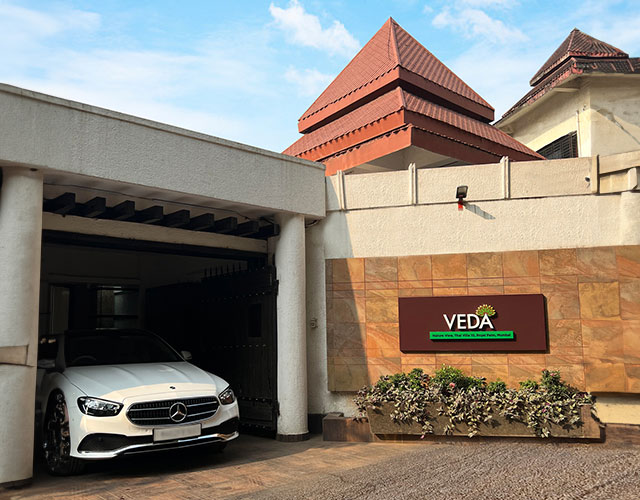
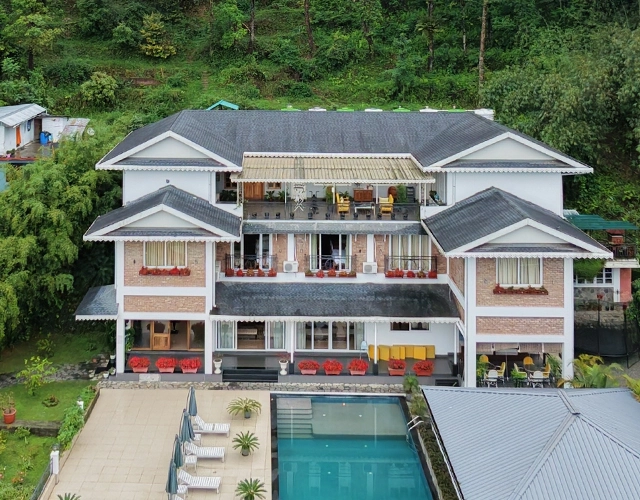
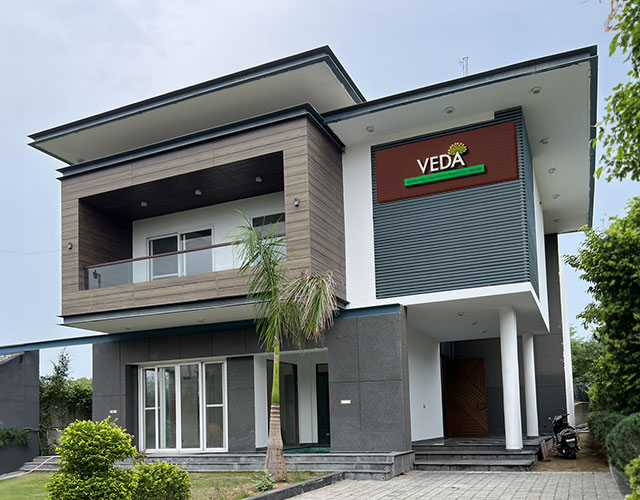
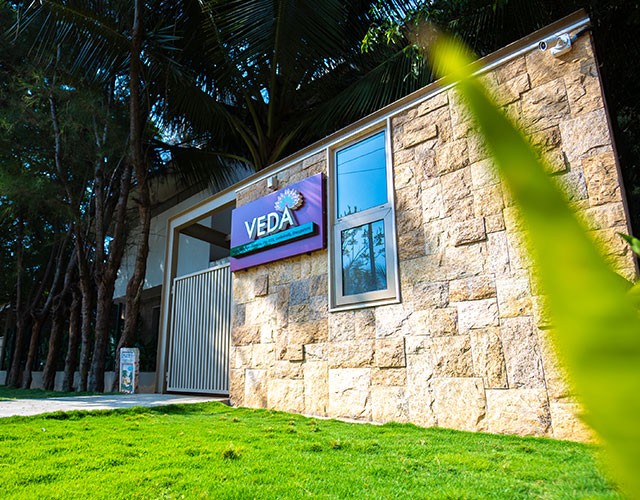
Facilities such as Veda Rehabilitation & Wellness in Mumbai, Bangalore, New Delhi, Sikkim are part of this shift toward private, evidence-based and holistic recovery environments where mental health and addiction are treated together instead of separately.

The Current Addiction Landscape in India

India has one of the world’s largest populations of people affected by substance use disorders. According to nationwide data reviewed in medical literature:

  • Approximately 5.2% of Indians experience problematic alcohol use
  • Around 2.7% are dependent on alcohol
  • Opioid use affects nearly 2.1% of the population
  • Cannabis use prevalence is estimated at 2.8%
  • Nearly 850,000 people reportedly use injectable drugs in India

These numbers likely underestimate the real scale of addiction because many cases go unreported due to stigma, fear, denial or lack of access to mental healthcare.

Mental health experts believe the actual burden is significantly higher in urban centers such as Mumbai, Delhi, Bangalore, Hyderabad, Pune and Goa, where high stress, nightlife culture, social isolation and workplace burnout are contributing factors.

Alcohol Addiction Remains India’s Biggest Challenge

Alcohol continues to be the most commonly abused substance in India.

Recent discussions around NFHS-5 data show that nearly 18.8% of Indian men aged 15+ consume alcohol, though rates vary widely by state.

Psychiatrists are particularly concerned about:

  • Earlier age of drinking initiation
  • Increased binge drinking among young adults
  • Functional alcoholism among professionals
  • Rising alcohol use among women in urban India
  • Co-occurring anxiety and depression

Many individuals struggling with alcohol dependence continue to maintain jobs and social lives, making addiction harder for families to identify early.

One of the biggest myths in India is that addiction only “looks severe” when someone loses everything. In reality, many individuals seek treatment only after years of hidden suffering, emotional instability, health decline, relationship breakdowns or repeated relapses.

Rising Drug Use in Urban India

India is also witnessing major changes in drug consumption patterns.

Psychiatrists and treatment centers report growing misuse of:

  • Cocaine
  • MDMA
  • LSD
  • Prescription sedatives
  • Opioids
  • Cannabis concentrates
  • Party drugs
  • Injectable substances

A recent report from Hyderabad’s Institute of Mental Health found addiction cases rising by over 108% in just two years, with increasing treatment demand involving opioids, synthetic drugs and sedatives.

Doctors noted that stress, social media exposure, curiosity, nightlife culture and post-pandemic mental health struggles are contributing to the surge.

Addiction and Mental Health Are Deeply Connected

One of the most important developments in psychiatry is the growing understanding that addiction rarely exists alone.

Many individuals’ entering rehabilitation also struggles with:

  • Depression
  • Anxiety disorders
  • Trauma
  • PTSD
  • Bipolar disorder
  • ADHD
  • Burnout
  • Sleep disorder
  • Loneliness
  • Personality disorders

This is why India’s leading psychiatrists are moving toward “dual diagnosis treatment” addressing both mental health and substance use together.

Research also increasingly shows overlapping biological and psychological pathways between psychiatric disorders and addictive behavior.

In practical terms, this means recovery today is becoming more personalized and psychiatry-driven rather than punishment-based.

India’s Treatment Gap Is Still Massive

Despite growing awareness, experts estimate that a majority of Indians with psychiatric or addiction disorders still do not receive timely treatment.

Mental health experts speaking at national psychiatric conferences recently stated that nearly 80–85% of people with psychiatric conditions remain untreated or undertreated, largely because of stigma and lack of awareness.

Some major barriers include:

  • Fear of judgment
  • Family denial
  • Lack of psychiatric access in smaller towns
  • Financial concerns
  • Social stigma
  • Misunderstanding addiction as a moral failure
  • Delayed intervention

Unfortunately, delayed treatment often leads to worsening mental health, financial damage, medical complications and repeated relapse cycles.

The Future of Addiction Treatment in India

India’s leading psychiatrists believe the future of addiction care will become more:

  • Scientific
  • Personalized
  • Technology-enabled
  • Trauma-informed
  • Family-centered
  • Holistic

Here are the major trends shaping addiction treatment in 2025 and beyond.

1. Integrated Psychiatry-Led Recovery

Traditional rehab models focused primarily on detoxification and abstinence.

Modern addiction psychiatry now focuses on:

  • Root causes
  • Emotional regulation
  • Brain health
  • Trauma recovery
  • Long-term behavioral change
  • Relapse prevention

Leading recovery centers increasingly combine psychiatrists, psychologists, nutritionists, wellness therapists and medical physicians into one integrated program.

This shift is especially important for executives, entrepreneurs, students and high-functioning professionals who may appear “fine” externally while struggling internally.

2. Telepsychiatry and Online Recovery Support

India’s telemedicine infrastructure has expanded rapidly after COVID-19.

Experts now believe telepsychiatry can significantly improve access to addiction treatment, especially for patients in smaller cities and remote areas.

Benefits include:

  • Remote psychiatric consultations
  • Online therapy
  • Family counseling
  • Relapse monitoring
  • Aftercare support
  • Reduced stigma

This hybrid treatment model is expected to become standard in the coming years.

3. Neuroscience and Brain-Based Therapies

Psychiatry in India is also moving toward neuroscience-backed interventions.

AIIMS Bhubaneswar recently launched advanced neuromodulation services including:

  • RTMS (Repetitive Transcranial Magnetic Stimulation)
  • TES (Transcranial Electrical Stimulation)
  • Advanced ECT technologies

These treatments are increasingly being explored for:

  • Depression
  • Substance use disorders
  • Cravings
  • Treatment-resistant psychiatric conditions

While not a standalone cure, brain-based therapies may become a major component of addiction treatment in the future.

4. Behavioral Addictions are Increasing

Psychiatrists are also warning about the rise of non-substance addictions, including:

  • Gaming addiction
  • Social media addiction
  • Gambling
  • Online pornography
  • Smartphone dependency

Researchers at AIIMS and collaborating institutions recently highlighted behavioral addictions as a growing public health concern in India, especially among youth. Experts believe future addiction treatment will increasingly include digital wellness and technology-use management.

5. Family Involvement Is Becoming Essential

India’s addiction experts consistently emphasize one fact:

Recovery outcomes improve significantly when families are involved constructively.

Modern programs increasingly include: ·

  • Family therapy
  • Boundary-setting education
  • Codependency counseling
  • Relapse education
  • Emotional support training

This is especially important in Indian households where addiction impacts entire family systems, not just individuals.

The Role of Luxury and Private Rehabilitation in India

As awareness increases, many families are also seeking more private and comprehensive recovery environments.

High-quality private rehabilitation centers now offer:

  • Confidential care
  • Psychiatric supervision
  • Personalized treatment plans
  • Wellness therapies
  • Trauma-informed care
  • Executive recovery programs
  • Nutrition and fitness support
  • Holistic healing environments

Centers like Veda Rehabilitation & Wellness reflect this newer approach where mental wellness, emotional healing and addiction recovery are addressed together.

This model is particularly appealing for:

  • Business professionals
  • NRIs
  • International clients
  • Families seeking discretion
  • Individuals with burnout and co-occurring mental health issues

Why Early Treatment Matters

One of the strongest messages from psychiatrists in 2025 is simple:

Early intervention saves lives.

The longer addiction continues untreated, the greater the risks of:

  • Medical complications
  • Financial collapse
  • Relationship damage
  • Suicidal thoughts
  • Isolation
  • Legal problems
  • Cognitive decline
  • Chronic psychiatric illness

Families often wait until the situation becomes severe before seeking help. But experts increasingly recommend intervention at earlier warning signs such as:

  • Personality changes
  • Emotional instability
  • Secretive behavior
  • Increasing tolerance
  • Frequent lying
  • Social withdrawal
  • Mood swings
  • Declining work performance
  • Sleep disruption
  • Aggression or irritability

Addiction is highly treatable when addressed early and professionally.

India’s Addiction Recovery Outlook in 2025

Despite the rising numbers, psychiatrists remain hopeful.

India is slowly moving away from shame-based views of addiction and toward evidence-based treatment models. More people are beginning to recognize addiction as a mental health condition requiring medical, psychological and emotional support.

The future of recovery in India will likely include:

  • Better psychiatric access
  • More digital treatment support
  • Advanced neuroscience therapies
  • Integrated mental health care
  • Stronger family education
  • Personalized recovery programs
  • Preventive mental health strategies

Most importantly, experts emphasize that recovery is possible at every stage whether someone has struggled for months or decades.

FAQs

1. What are the latest addiction statistics in India for 2025?

Recent medical reviews estimate that problematic alcohol use affects around 5.2% of India’s population, while opioid and cannabis use remain major public health concerns.

Yes. Psychiatrists report rising alcohol misuse among professionals, young adults and urban populations, especially after the pandemic.

Alcohol remains the most common substance, followed by tobacco, cannabis, opioids, prescription sedatives and synthetic drugs.

Yes. Experts are seeing growing cases involving gaming addiction, smartphone dependency, gambling and social media addiction.

Dual diagnosis treatment addresses both addiction and underlying mental health conditions such as anxiety, depression, trauma or bipolar disorder together.

Modern addiction psychiatry now focuses on neuroscience, trauma-informed care, relapse prevention and personalized therapy instead of only detoxification.

Yes. Telepsychiatry improves access to psychiatrists, therapy and aftercare support, especially for patients outside metro cities.

Common reasons include stigma, denial, fear of judgment, family pressure and lack of awareness about mental health treatment.

Family involvement is critical. Healthy boundaries, counselling and emotional support can significantly improve long-term recovery outcomes.

Veda Wellness World is a private mental wellness and addiction recovery chain of centers in India offering integrated care for addiction, emotional health and psychiatric recovery.

Leave A Comment

Your email address will not be published. Required fields are marked *