- Mumbai, Gangtok, New Delhi, Bangalore
- (+91) 81518 30000
- WhatsApp Now
- contact@vedawellnessworld.com
Mental health and addiction rarely exist in isolation. When anxiety, depression, trauma, or bipolar disorder goes unaddressed, many individuals turn to alcohol or drugs as a way to cope unknowingly setting the stage for dependency. This cycle is known as dual diagnosis, and it is far more common than most people realise.
If you or someone you care about is living with both a mental health condition and substance misuse, you are not alone and there is a clear path to healing. Dual diagnosis treatment in India has grown significantly, offering integrated, evidence-based care that addresses both conditions together, not separately.
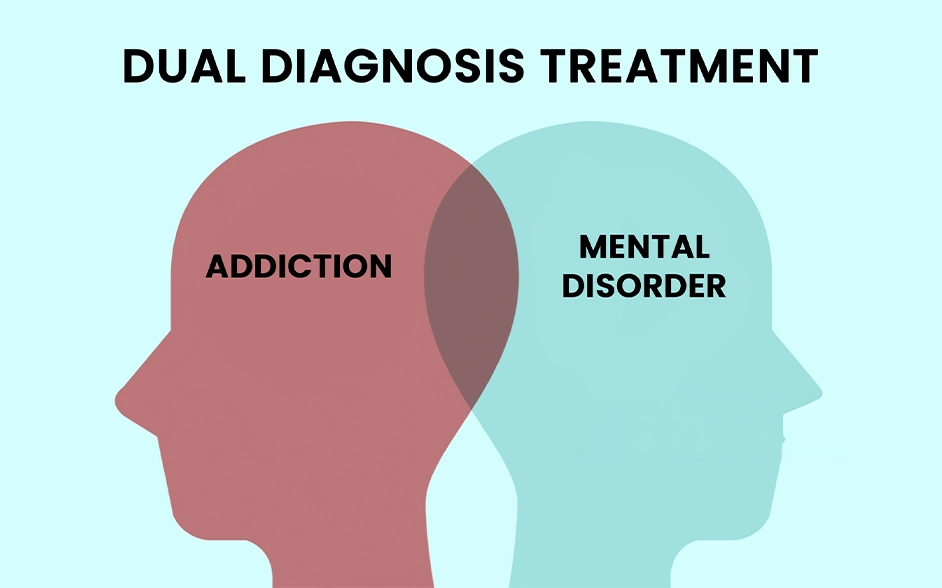
Dual diagnosis also referred to as co-occurring disorders or comorbidity, is the simultaneous presence of a mental health disorder and a substance use disorder (SUD) in the same individual. When both conditions exist together, they interact and reinforce each other, making treatment significantly more complex when addressed separately.
Common dual diagnosis combinations include depression + alcohol dependence, PTSD + cannabis use disorder, anxiety disorder + prescription drug misuse, and bipolar disorder + stimulant use.
Globally: Research shows that nearly 50% of individuals with a substance use disorder also have at least one mental health condition. Around 1 in 4 adults with serious mental illness also experiences a substance use disorder, and up to 60% of inpatient psychiatric patients meet criteria for an SUD.
In India: Studies across Indian treatment centres report a prevalence of co-occurring disorders ranging from 11% to 40% among individuals seeking addiction or psychiatric care (Indian Journal of Psychiatry, 2024). Over 80% of people with mental illness in India do not receive timely or adequate care — making early, integrated intervention critical.
Mental health disorders do not always directly cause addiction, but they significantly increase the risk through four well-researched pathways:
The relationship works in both directions. Long-term substance use can alter brain chemistry and trigger depression or anxiety, deplete neurotransmitters worsening pre-existing conditions, impair sleep and relationships, and mask psychiatric symptoms making accurate diagnosis difficult. This is precisely why dual diagnosis treatment must address both conditions at the same time.
Co-occurring disorders rehab also called integrated dual diagnosis treatment, is specialised care that simultaneously assesses, diagnoses, and treats both mental health and substance use disorders using a coordinated multidisciplinary team.
| Component | What it Involves |
| Comprehensive Assessment | Simultaneous evaluation of mental health and substance use history |
| Psychiatric Medication Management | Stabilising mood, anxiety, or psychosis alongside addiction recovery |
| Evidence-Based Therapies | CBT, DBT, Motivational Interviewing, EMDR, trauma-informed therapy |
| Relapse Prevention Planning | Identifying triggers, building coping skills, long-term strategies |
| Family Therapy & Education | Involving loved ones in the recovery process |
| Aftercare & Continued Support | Ongoing therapy, peer support, and monitoring post-discharge |
Lower relapse rates — Untreated mental health symptoms are a leading driver of relapse. Integrated care addresses root causes, not just surface behaviour.
Stronger engagement — Patients are more likely to complete treatment when all their needs are addressed in one programme.
Improved quality of life — Better emotional regulation, restored relationships, and greater functional recovery.
Deeper self-awareness — Individuals gain clarity on triggers and long-term coping strategies.
Quality integrated programmes offer an integrated care model (mental health and addiction treated by the same team), a multidisciplinary team including psychiatrists, psychologists, and counsellors, personalised treatment plans, evidence-based therapies, family inclusion, and robust aftercare support.
At Veda Rehabilitation and Wellness, our integrated dual diagnosis programme brings together psychiatric care, addiction medicine, and holistic therapies under one roof, treating the whole person, not just the symptoms.
Dual diagnosis treatment in India refers to specialised rehabilitation care that simultaneously treats both a substance uses disorder and a co-occurring mental health condition. Integrated programmes use coordinated psychiatric and addiction care to address both conditions together, which produces significantly better long-term recovery outcomes.
Research from Indian psychiatric centres reports 11%–40% prevalence among those seeking addiction or mental health treatment (Indian Journal of Psychiatry, 2024). Given that over 80% of people with mental illness in India do not receive adequate care, the true number is likely considerably higher.
They do not directly cause addiction, but they significantly increase the risk. Many individuals use alcohol or drugs to self-medicate distressing psychological symptoms — a pattern that can lead to dependence when the underlying condition remains unaddressed.
When only addiction is treated without addressing the underlying mental health condition, untreated symptoms frequently drive relapse. Integrated rehab treats both simultaneously, identifying shared triggers and root causes, which leads to lower relapse rates and better quality of life.
Commonly used therapies include CBT, DBT, Motivational Interviewing, EMDR for trauma, and psychiatric medication management where clinically indicated.
Yes. Private rehabilitation centres across India — including in Mumbai, Pune, Bangalore, Delhi, and Chennai — offer integrated dual diagnosis treatment combining psychiatric and addiction care with multidisciplinary teams and strong aftercare.